From tracking pregnancies and menstrual cycles to enabling remote consultations and wearable health monitoring, technology designed specifically for women is changing how healthcare is delivered and accessed.
FemTech (female technology) is helping women monitor their health, access treatment earlier, and make more informed decisions throughout different stages of life.
In Kenya, where many women still face challenges accessing specialist care and often experience delays in diagnosis and treatment, FemTech is increasingly being seen as an opportunity to improve health outcomes and expand access to care.
From maternal and reproductive health services to disease prevention and monitoring, digital tools are creating new ways of connecting women to healthcare.
According to Professor Anne Kihara, an obstetrician and gynaecologist at the University of Nairobi and immediate former president of FIGO, women experience diseases differently and often face health challenges that require approaches tailored to their needs.
“Women have always interacted with health technologies through pregnancy testing, blood pressure monitoring, and blood sugar checks. What is changing is that innovation is becoming more deliberate in addressing conditions that uniquely affect women,” she said.
Professor Kihara explained that globally, women carry a greater burden of disease and often present differently even when suffering from the same conditions as men.
“A woman experiencing a heart condition may present differently from a man. Women also experience health conditions that are unique to them, including menstruation, pregnancy, uterine fibroids, endometriosis, and menopause,” she noted.
Because of these differences, FemTech is increasingly moving beyond general digital health tools to develop solutions designed around women’s lived experiences and healthcare journeys.
Today, FemTech includes technologies such as telemedicine, teleconsultations, wearable devices, rapid diagnostic tools, remote monitoring systems, and preventive health innovations.
These technologies allow women to monitor pregnancies, track chronic conditions, access health information remotely, and seek medical advice without always having to travel to a healthcare facility.
For Kenya, where access to specialists remains uneven, and healthcare workers continue to be stretched across regions, these technologies could help reduce delays in care and bring services closer to communities.
 Professor Kireki Omenwa, an obstetrician and gynaecologist, speaking on PPH. (Charity Kilei)
But experts caution that technology alone is not enough. Professor Kihara emphasised that digital innovations must remain connected to health systems and healthcare providers so women receive proper interpretation of results, professional guidance, and timely treatment.
“For these technologies to work effectively, they must remain linked to clinicians who can provide sound interpretation and subsequent management,” she said.
She noted that for FemTech to succeed, Kenya must also create an enabling environment for innovation.
This includes increasing awareness of available technologies, expanding internet connectivity, improving smartphone access, strengthening quality standards, and creating supportive policies that encourage responsible innovation.
One of the proposals gaining attention is the development of a regulatory sandbox, a controlled environment where health technologies can be tested and validated before being rolled out at scale.
“When developing a technology, there must be room to test whether it is safe, effective, and suitable before implementation,” Professor Kihara explained.
Another issue receiving growing attention is data protection.
As more women use digital platforms for health services, sensitive information, including reproductive histories, menstrual data, and personal health records, is increasingly stored digitally.
“We are talking about deeply personal information. Data safety, security, and protection must remain central as these technologies continue to grow,” she said.
Professor Kihara added that Kenya’s digital health reforms provide an opportunity to support responsible innovation while strengthening primary healthcare and expanding universal health coverage.
Alongside direct patient care, digital innovation is also beginning to reshape how healthcare workers are trained.
Medical educators are introducing technologies such as virtual reality and remote learning platforms to strengthen emergency obstetric training for doctors and specialists.
Through immersive simulations, clinicians can repeatedly practice responding to complications such as postpartum haemorrhage (PPH), one of the leading causes of maternal deaths, allowing them to build confidence and improve decision-making before encountering real emergencies.
Remote mentorship technologies are also making it possible for specialists to support healthcare workers in distant counties without being physically present.
These approaches are increasingly being viewed as practical solutions in a country where specialist shortages continue to affect maternal healthcare delivery.
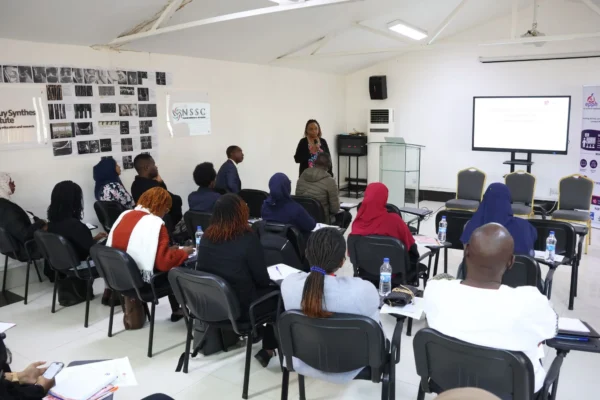 Healthcare workers are being trained on virtual reality femtech and PPH. (Charity Kilei)
Speaking during PPH School Cohort 2 at the University of Nairobi’s Chiromo Campus, Dr Eunice Atsali, vice president of the Midwives Association of Kenya (MAK), challenged healthcare professionals to see themselves not only as clinicians but as advocates capable of influencing change beyond hospital walls.
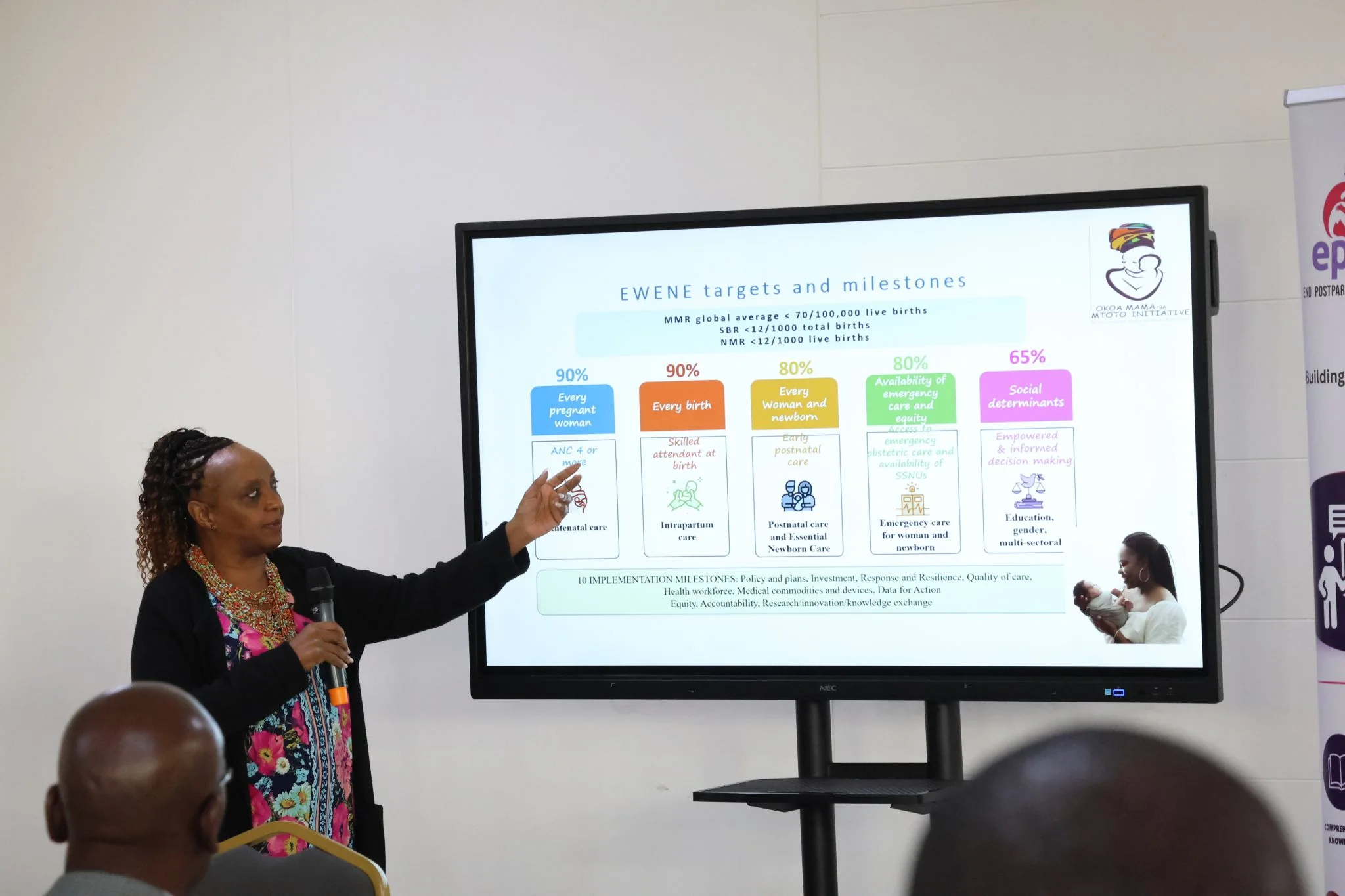
Dr Atsali emphasised that while technical skills remain essential, sustainable improvements in maternal and newborn outcomes depend on stronger health systems, better resource allocation, policy influence, and accountability at every level of care.
The discussions focused on how healthcare workers can use strategic advocacy and SMART accountability approaches to turn evidence into action, ensuring maternal and newborn health priorities receive attention, investment, and measurable results.
Participants also explored the importance of structured approaches, evidence-based protocols, and coordinated teamwork in responding to obstetric emergencies, where delays in recognition and treatment can determine outcomes for both mother and child.
Through initiatives such as PPH School, healthcare professionals are being equipped not only with lifesaving clinical skills but also with leadership and advocacy tools needed to strengthen emergency response systems and drive lasting improvements in maternal and newborn care.
“Saving mothers and newborns requires more than knowing what to do clinically. It requires healthcare workers who can advocate for better systems, demand accountability, and ensure that quality care reaches every woman when she needs it most,” said Dr Eunice Atsali.
As Kenya moves further into the digital health era, the challenge will be ensuring that technology strengthens healthcare systems, protects patient trust, and helps more women receive timely, quality and responsive care.
Researchers increasingly point out that women’s health has often been underrepresented in traditional healthcare and research.
A 2025 review published in The Lancet Digital Health examined 80 studies from different parts of the world to understand whether digital health technologies designed for women actually improve healthcare outcomes.
The researchers found that these technologies are helping women access healthcare more easily while giving them greater control over managing their own health.
The review showed that women using digital tools were able to monitor health conditions more consistently, receive more personalised care, and make informed decisions using information available through digital platforms. Technologies included telemedicine services, wearable devices, mobile applications, and remote monitoring systems.
Researchers found benefits across several areas of women’s health, including reproductive health, hormonal conditions, mental health, and chronic disease management.
One of the major findings was that digital health tools encouraged self-care and increased women’s involvement in decisions about their own health because they had easier access to information and support.
The study concluded that digital health is not simply making healthcare more convenient; it is improving access and helping women receive care that is better tailored to their needs.
Another study published in BMC Women’s Health in 2023 examined how mobile health technologies influence maternal and newborn healthcare in low- and middle-income countries.
The researchers found that digital tools improved the use of maternal health services and helped women stay connected to healthcare providers throughout pregnancy and after childbirth.
Women who used mobile health technologies were more likely to attend antenatal appointments, seek skilled delivery services, and return for follow-up care after giving birth. The technologies included mobile applications, SMS reminders, telephone support, and digital appointment systems.
The study found that one of the biggest advantages was reducing delays in seeking care. Instead of waiting until complications became severe, women could communicate with health workers earlier, receive reminders, ask questions, and get referrals more quickly.
For countries such as Kenya, the findings suggest that digital innovations could help improve maternal outcomes by bringing care closer to women and enabling earlier intervention when complications arise.

















































Comments
Sign in with Google to comment, reply, and like comments.
Continue with Google