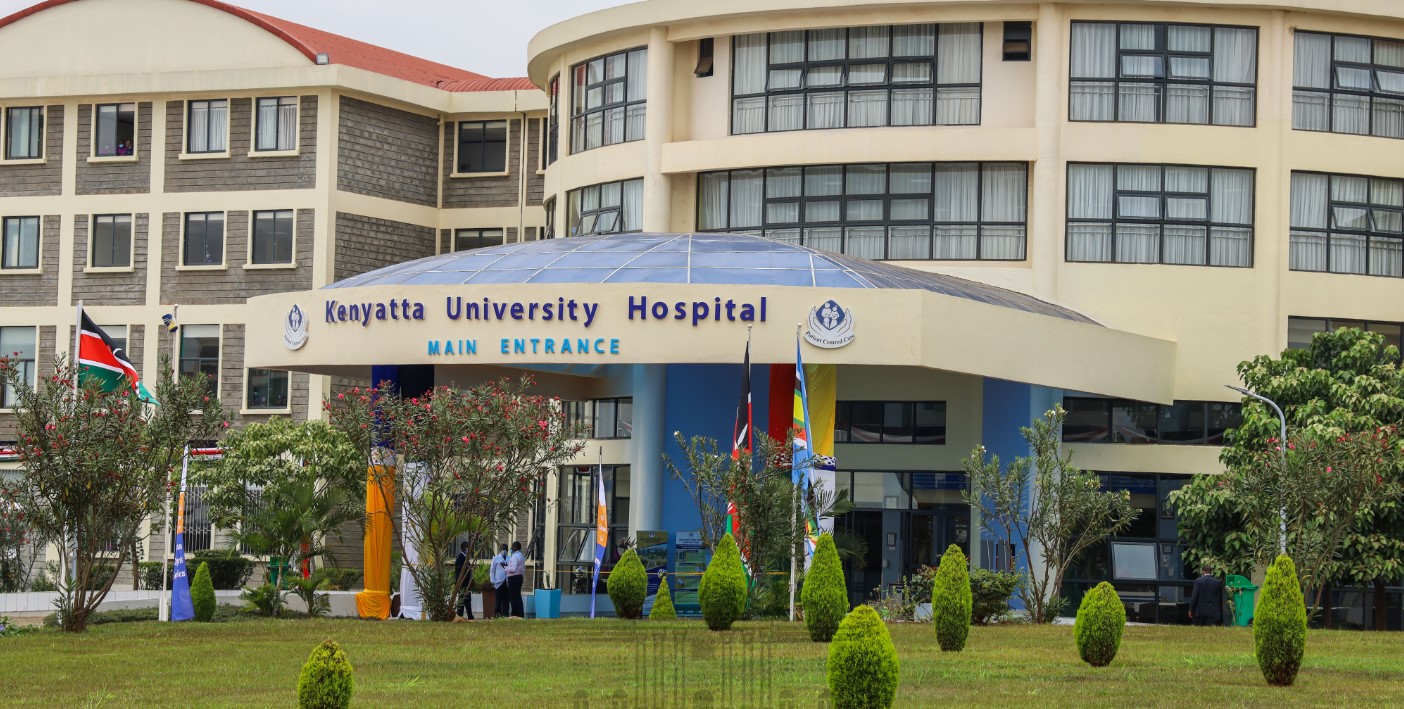
The Kenyatta University Teaching, Referral, and Research Hospital (KUTRRH) has been designated as a Centre of Excellence for specialised ear and hearing care, a move expected to improve access to quality hearing services and strengthen Kenya's journey towards Universal Health Coverage (UHC).
The designation marks a significant milestone in addressing hearing disorders, which affect thousands of Kenyans, particularly children, and often go undetected until they have caused lasting damage.
Speaking during the launch, Health Cabinet Secretary Aden Duale, said the centre reflects the government's commitment to ensuring that every Kenyan has access to specialised healthcare regardless of where they live.
"This Centre of Excellence demonstrates how research, innovation, and strong partnerships can help close long-standing gaps in specialised healthcare. It is a major step towards ensuring that people with ear and hearing conditions receive quality care without having to travel outside the country," he said.
The Cabinet Secretary noted that hearing loss remains a major but often overlooked public health challenge. If it is not detected and treated early, especially among children, it can have lifelong effects on communication, learning, education, and social inclusion.
He said early diagnosis and timely treatment are critical in helping children develop speech and language skills while improving their chances of succeeding in school and participating fully in society.
The Ministry of Health has been working with partners to expand hearing screening services in schools and communities across the country.
According to the ministry, more than 900 children with hearing problems have been identified through school and community screening programs. Of these, more than 100 have received hearing aids, enabling them to communicate more effectively and improve their quality of life.
The government has also introduced hearing screening for newborn babies in selected health facilities. So far, about 80 high-risk newborns have undergone hearing screening, helping doctors identify hearing problems soon after birth.
"The integration of newborn hearing screening into routine healthcare is an important milestone. Early detection gives children the best chance to receive treatment before hearing loss affects their development," the cabinet secretary said.
Health experts say many cases of hearing loss can be prevented or treated if detected early. Common causes include infections, complications during birth, excessive noise exposure, certain medicines, and ageing.
The new Centre of Excellence is expected to provide specialised diagnosis, treatment, rehabilitation, and training for healthcare workers while also supporting research into hearing disorders.












































Comments
Sign in with Google to comment, reply, and like comments.
Continue with Google