Cases of police misconduct rises despite overall drop in crime -Report
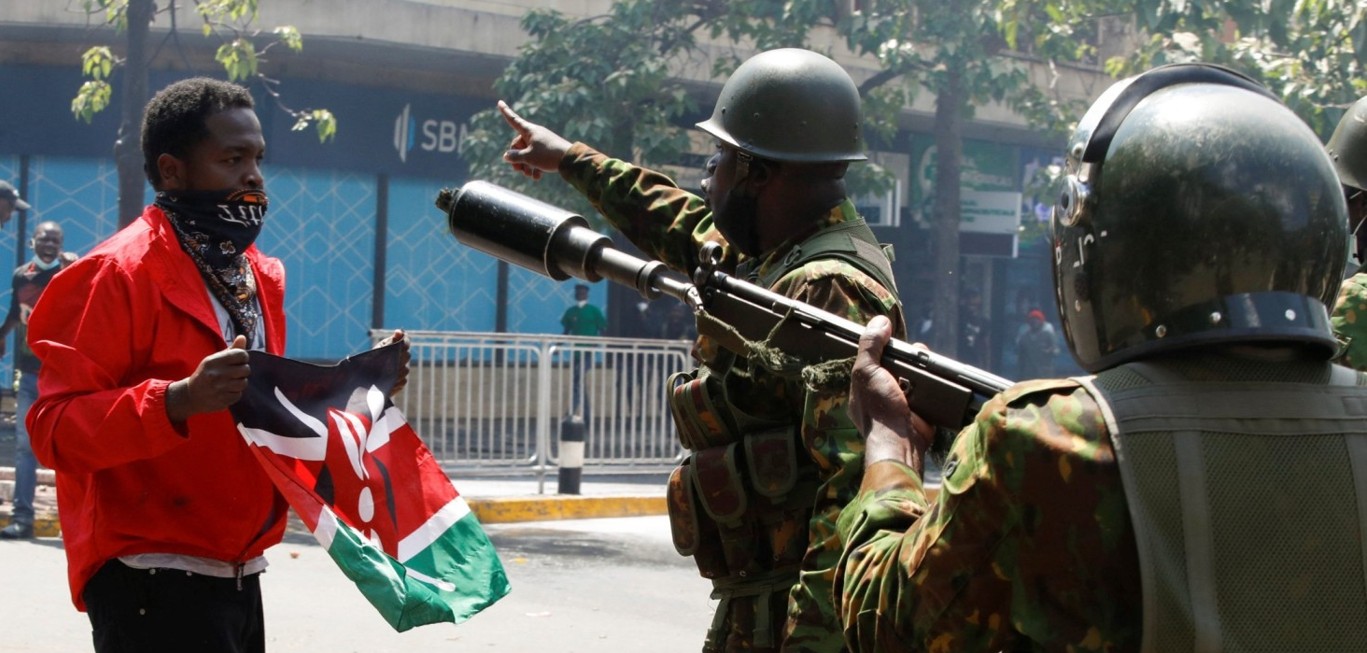
Following a dramatic 70.4 per cent rise the previous year, these offences increased by another three per cent during the 2024-25 review period. The report records 237 police-related cases, compared with 230 in 2024 and 135 in 2023, highlighting a steady upward trend.
Kenya’s police service is grappling with a growing integrity challenge as offences committed by officers continue to rise, according to a government security report.
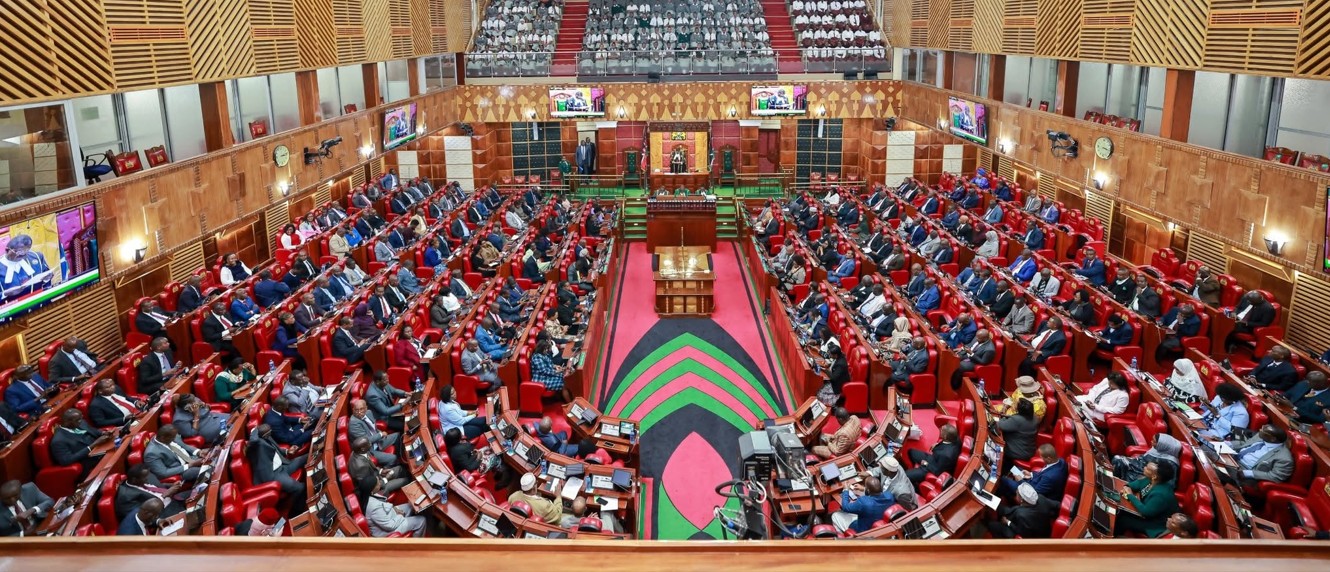
The 2025 National Security Report, tabled by President William Ruto in Parliament, indicates that while general crime in many categories has eased, violations involving police personnel have surged, pointing to internal weaknesses within the force.
More To Read
- Security agencies identify 126 organised gangs operating in Nairobi
- President Ruto signals readiness for fresh political pact with ODM ahead of 2027 polls
- Kenya to build human origins museum and science park in Turkana County
- State unveils Sh5 trillion infrastructure plan, JKIA upgrade and new airport to start in January 2026
- State study finds most homicides concentrated in Kenya’s urban informal settlements
- Speaker Kingi submits list of absentee landlord farms to Ruto for squatter resettlement
“Decrease in crime rates was recorded in most categories of offences except traffic offences, criminal cases, offences involving police officers and other penal code offences,” the report reads.
Following a dramatic 70.4 per cent rise the previous year, these offences increased by another three per cent during the 2024-25 review period. The report records 237 police-related cases, compared with 230 in 2024 and 135 in 2023, highlighting a steady upward trend.
Meanwhile, other crimes showed improvement. Cases of theft, break-ins, vehicle theft, possession of dangerous drugs, and economic offences all declined.
Theft cases fell by 1,490, while economic crimes dropped by 531 compared with the previous year.
The data paints a picture of a police force stretched thin, balancing high-risk operations against Al-Shabaab, gang activity, and civil unrest, all while contending with internal misconduct.
The report further exposes the connection between political influence and criminal networks. Unemployed youths are being drawn into gangs by some politicians seeking to intimidate rivals, fuelling cycles of violence.
“Intensified political contests in parts of the country fueled enlistment of vulnerable youths into criminal gangs and amorphous goons by some politicians to counter their rivals, thus compounding the situation,” the document states.
Organised crime networks are reported to engage in extortion, robbery, muggings, illegal oathing, cattle theft, fraudulent land deals, murder, and drug trafficking.
“They are also engaged in transnational crimes ranging from human trafficking, drug trafficking, smuggling of counterfeit and illicit products,” the report adds.
Youth-led gangs are emerging in urban areas, including ‘Team Mbogi’ in Nairobi’s Umoja, with members aged 13 to 22.
“This is signifying a trend of juvenile delinquency and involvement in criminal gangs,” the report notes.
Established gangs, however, are seeing declining arrests, with Mungiki cases dropping by 94.6 per cent, while Gaza, Kata Hema, and Usiku Sacco no longer feature in records.
The report cautions that gangs are rebranding with new leadership and identities, often with protection from political patrons who provide resources and a sense of immunity.
The findings underscore the dual challenge of combating crime while reforming the police service to restore public trust and curb internal wrongdoing.
Top Stories Today