IEBC warns boundary review may spark community, religious and class tensions
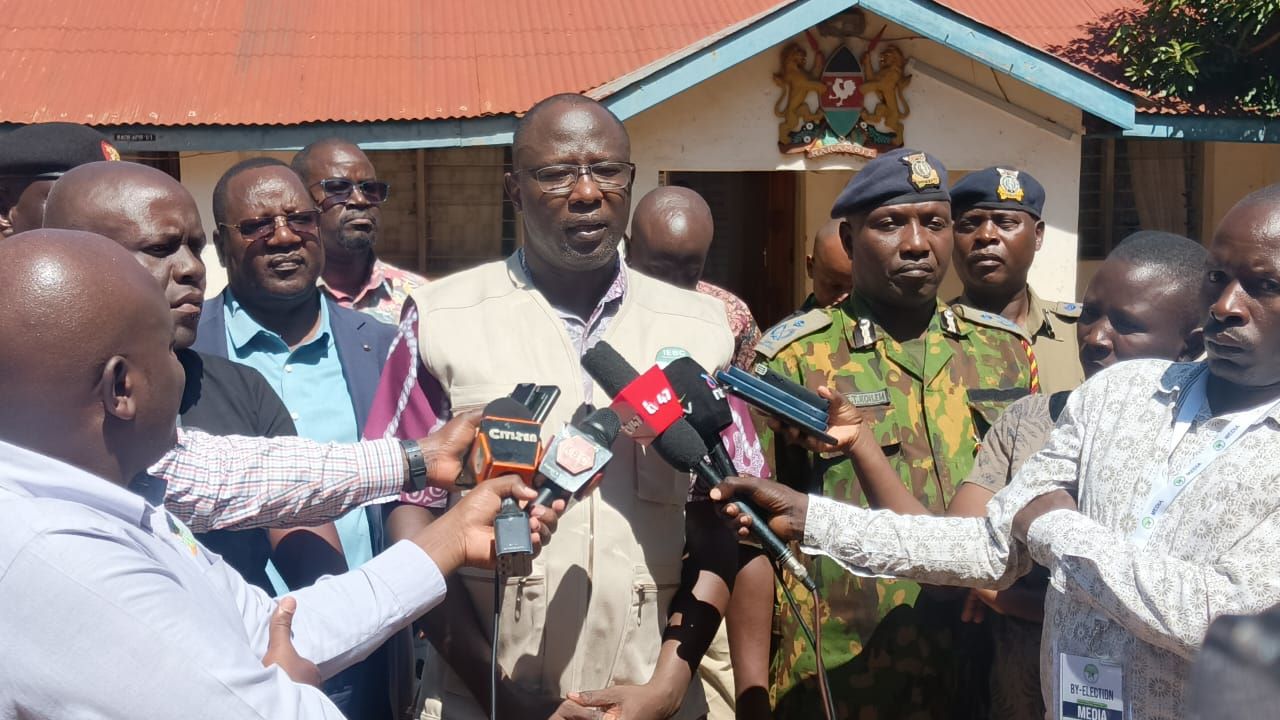
In a report submitted to the Constitutional Implementation Oversight Committee (CIOC), the commission said it anticipates tensions arising from the high stakes involved in redefining constituency boundaries.
The Independent Electoral and Boundaries Commission (IEBC) has warned that the upcoming electoral boundary review could trigger community, religious and class-based conflicts, citing competing interests linked to boundary delimitation.
In a report submitted to the Constitutional Implementation Oversight Committee (CIOC), the commission said it anticipates tensions arising from the high stakes involved in redefining constituency boundaries.
More To Read
- Court to hear petition challenging eligibility of Embu North MP Leo Wa Muthende
- Voters challenge Mbeere North MP Wamuthende’s victory over electoral name discrepancy
- IEBC blames police officers for by-election violence, maintains poll largely successful
- Why voter registration in by‑election zones will resume after 28 days
- IEBC gazettes Mbeere North’s MP-elect Wamuthende and other by-election winners
- IEBC urges media to report factually amid election scrutiny
“The Commission stated that it hosted a three-day workshop to develop a Boundaries Security Arrangement Plan (BSAP). The Commission noted that it formed a Technical Committee that will drive and oversee the implementation of BSAP during the envisaged delimitation,” reads the report.
The IEBC, however, said it has taken several preparatory steps despite its concerns. These include drafting the Delimitation Concept Paper, preparing the Boundaries Review Operation Plan (BROP), conducting a situational analysis, carrying out a pilot study, collecting and digitising administrative units’ geospatial data, and acquiring necessary equipment.
The commission also appointed a Project and Technical Boundaries Delimitation Team to manage the exercise, allowing it to leverage staff expertise across various operational areas. Training on new technologies has already been conducted, and several digital tools have been developed, including the Boundaries Hub with frequently asked questions (FAQs), electoral boundary evolution story maps, a platform to submit memoranda, and a dashboard summarising submissions. A map standardisation manual for cartographers is also in place.
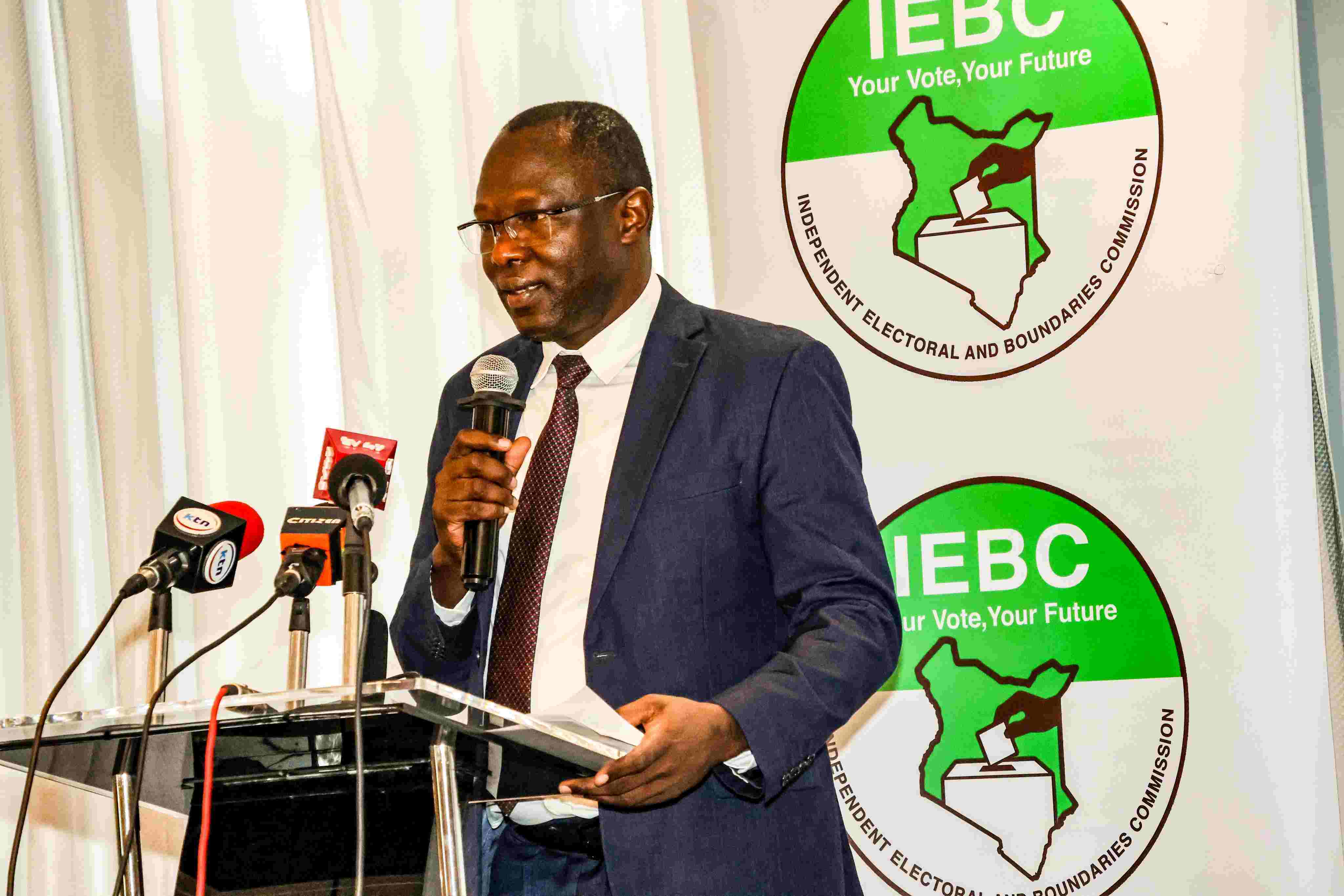
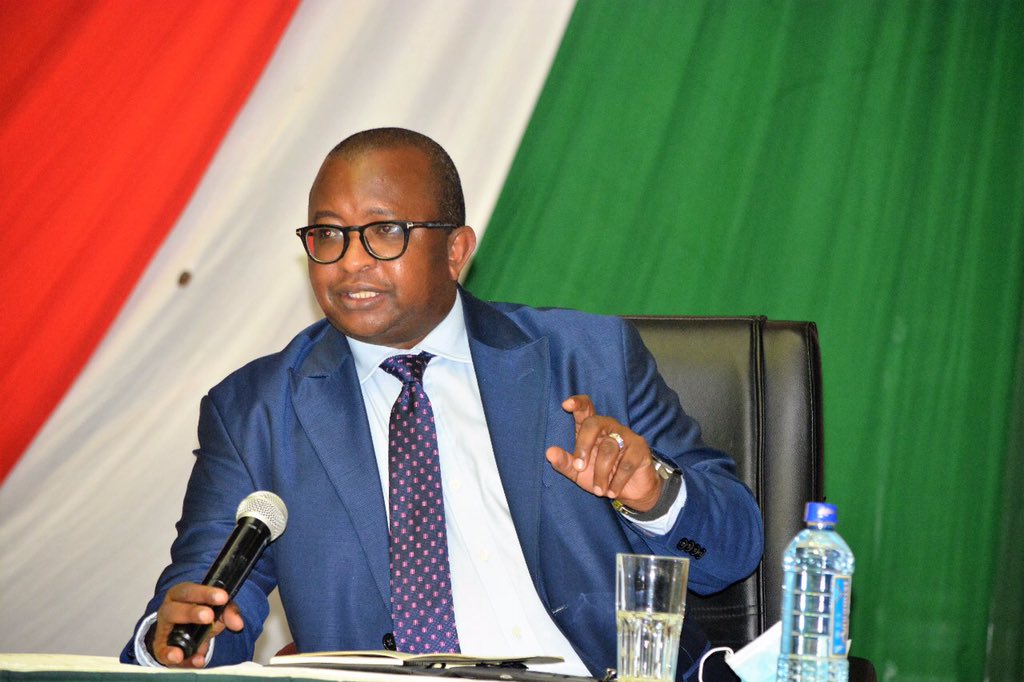
The warnings come after the IEBC indicated it would be unable to complete the boundary review before the 2027 elections due to insufficient time and funding, even though the Constitution stipulates the review be conducted within eight to 12 months, a deadline that has already passed. IEBC Chairperson Erastus Ethekon said the exercise requires between two to three years.
“There is a whole process required to comply with the requirements to hold the review. Looking at the timelines, we might not meet the threshold because we require about two to three years to do this,” Ethekon said.
“Boundary review is an issue that, as a new commission, we are looking at, including all the legal technicalities in it. We want to look at all the practical aspects, such as time and resources, and that is why we have agreed that as a commission we will sit in the plenary and in the next two weeks come up with a way forward.”
The last boundary review, conducted by the Andrew Ligale-chaired Interim Independent Boundaries Review Commission in February 2012, created the current 290 constituencies. Article 89(2) of the Constitution requires periodic reviews to accommodate population growth, ensure equitable representation, and allow fair allocation of resources. The review has previously sparked debate, with some leaders advocating proportional representation in populous areas, while others focus on landmass considerations in sparsely populated regions.
Meanwhile, the Commission will on Monday, December 8, hold a half-day stakeholders forum in Upperhill, Nairobi, to evaluate the November 27 by-elections. The meeting will include political parties, independent candidates, civil society organisations, election observers and state agencies.
“The purpose of this letter, therefore, is to formally invite you to attend this important meeting. For further information on the event, please contact our Acting Director of Voter Education and Partnerships, Madam Joyce Ekuam,” the invitation, signed by CEO Hussein Marjan Hussein, states.
The forum aims to reflect on the by-elections, collect stakeholder feedback, and identify areas for improvement in future electoral processes. IEBC Chairperson Ethekon condemned reported incidents of violence and intimidation in constituencies including Kasipul, Malava and Nyamira wards, noting that the commission is working with security agencies to take action against perpetrators.
The post-election review follows complaints from civil society groups, including the Kenya Human Rights Commission (KHRC), Transparency International – Kenya, the Independent Medico-Legal Unit (IMLU) and Siasa Place, which flagged irregularities and threatened legal action. ELOG’s assessment noted smooth polling-day operations but cited political interference, voter inducement, and gaps in security oversight as challenges.
“The post-mortem meeting represents the first formal stakeholder engagement by the IEBC following the November 27 polls, offering a platform to reflect, learn and reinforce the principles of free, fair and peaceful elections,” the commission said.
Top Stories Today