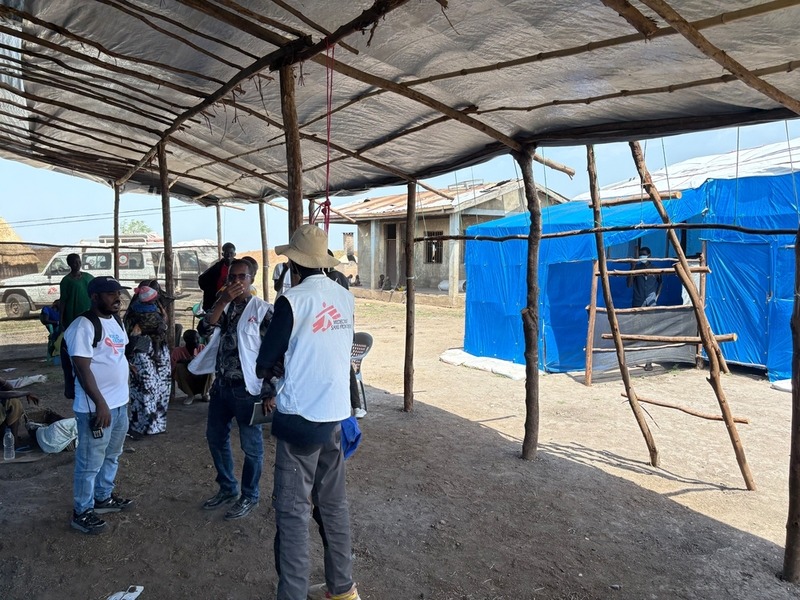
EU releases Sh37.6 million to support 150,000 Kenyans facing hunger
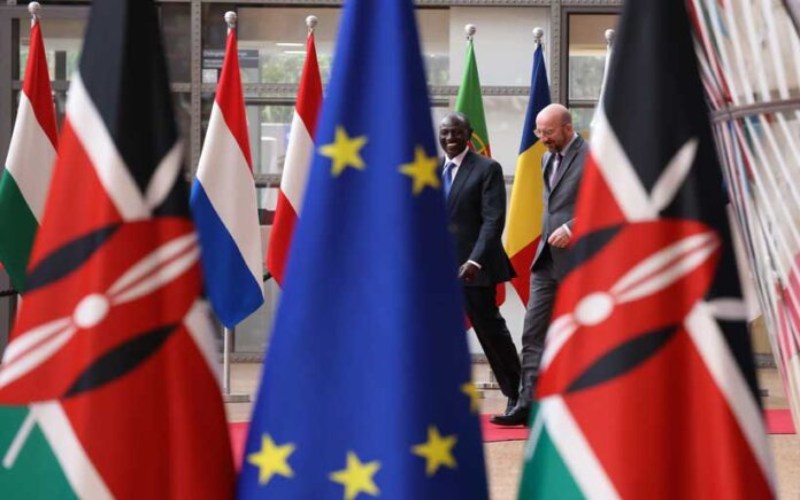
The EU has released €250,000 in emergency aid to Kenya, funding Kenya Red Cross support for over 150,000 people as food insecurity and climate-linked health crises worsen nationwide.
The European Union (EU) has released €250,000 (Sh37.6 million) in emergency aid as more than 1.8 million people in the country face acute food insecurity.
The number of people affected is projected to rise to 2.1 million by January 2026.
More To Read
The funding will enable the Kenya Red Cross Society to deliver essential assistance, including food, clean water, healthcare, cash transfers, and protection services to the most vulnerable populations.
The six-month project, running until the end of May 2026, is expected to reach over 150,000 people affected by overlapping climate and health emergencies.
"Water sources are shrinking, malnutrition is increasing, and humanitarian funding continues to decline. The EU’s emergency contribution will enable the Kenya Red Cross Society to provide essential food assistance, clean water, cash support, healthcare and protection services to the most affected communities," said the EU.
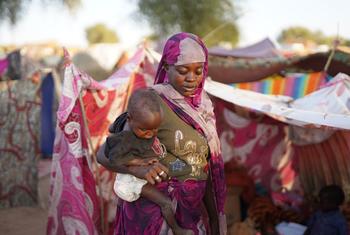
Kenya’s humanitarian crisis has been intensified by consecutive failed rains, leaving 179,000 people in emergency conditions and putting 741,000 children and 109,000 pregnant or lactating women at risk of acute malnutrition.
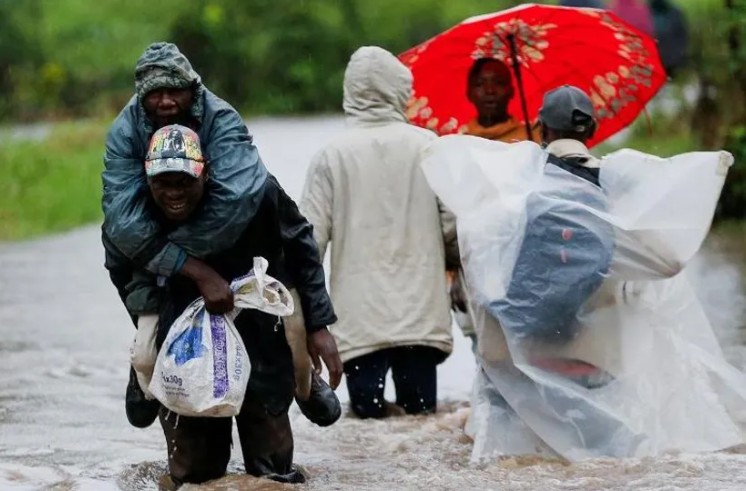
Recent heavy rains have also caused flooding and landslides, destroying homes and livelihoods. Disease outbreaks, including cholera, are spreading rapidly in Nairobi and Narok counties, with the latter reporting a 9 per cent case fatality rate.
Communities in arid and semi-arid regions remain highly vulnerable to other waterborne and zoonotic diseases.
Shrinking water sources, rising malnutrition, and declining humanitarian funding have compounded the crisis, leaving communities increasingly exposed and in urgent need of support.
The EU’s emergency contribution is part of a broader €16 million(about Sh2.4 billion) humanitarian partnership between the European Commission and the International Federation of Red Cross and Red Crescent Societies (IFRC) to support the Disaster Response Emergency Fund (DREF).
Established in 1979, the DREF provides rapid funding to National Red Cross and Red Crescent Societies responding to small-scale disasters that do not trigger formal international appeals.
Contributions from donors, including the EU, help replenish the fund to sustain timely disaster responses worldwide.
Top Stories Today