Coast civil society groups accuse government of starving police watchdogs of funds
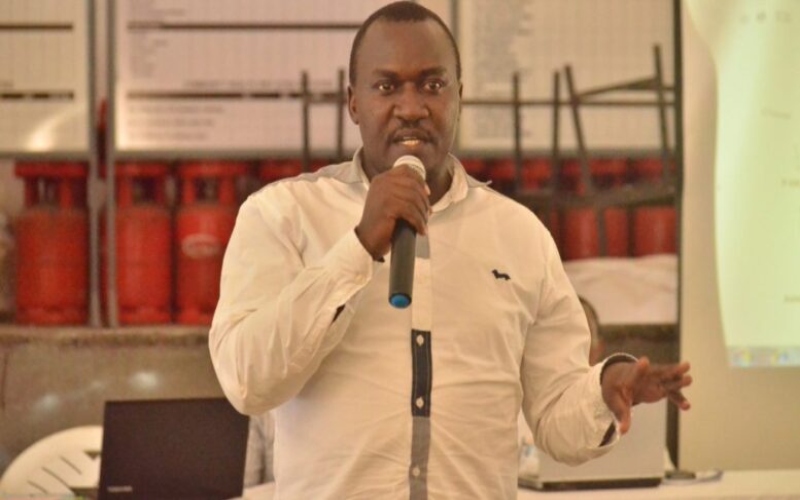
Coast civil society network chairperson Zedekiah Adika said limited funding has forced oversight institutions to concentrate their operations in major towns, leaving many victims of alleged abuse without access to justice.
Civil society organisations in the coastal region have accused the national government of neglecting key accountability institutions, warning that underfunding has weakened oversight of the police and other state agencies.
The groups say bodies such as the Independent Policing Oversight Authority (IPOA) are struggling to carry out investigations effectively, particularly in rural and informal settlements.
More To Read
- IPOA launches probe as family demands truth over boda boda rider’s death in Nairobi police cell
- Millions in Africa denied services as biometric IDs lock out vulnerable citizens
- 97 extrajudicial killings, 72 torture cases documented in Kenya in 2025 - rights groups
- Activists in Mombasa urge authorities to improve business conditions for marginalised groups
- UN Rights Chief raises alarm over abductions, enforced disappearances in Uganda ahead of elections
- Senate’s handling of Nyaribo impeachment raises questions on oversight role, procedures
Addressing the media, Coast civil society network chairperson Zedekiah Adika said limited funding has forced oversight institutions to concentrate their operations in major towns, leaving many victims of alleged abuse without access to justice.
“Strengthening these bodies financially would allow them to establish offices at the grassroots and respond more quickly to complaints involving police misconduct,” he said.
Adika also called on the government to extend similar financial support to other state oversight agencies, noting that accountability cannot be achieved when institutions mandated to protect citizens lack the resources to function independently.
According to the lobby, delays in investigations and court processes have eroded public confidence, especially among communities that frequently interact with law enforcement.
In addition to policing concerns, the civil society groups raised the issue of resource control along the coast. They urged the national government to devolve wildlife parks and other natural resources in the region, saying residents continue to live in poverty despite the area’s economic potential.
Adika argued that revenues generated from these resources should directly benefit host communities through jobs, social services and development projects.
The groups further accused the police of using excessive force during recent nationwide demonstrations, claims they say are backed by ongoing court cases involving alleged human rights violations. Adika maintained that the use of force during protests contravenes the law and undermines constitutional freedoms.
Their concerns mirror findings in a joint 2021 report by four human rights organisations, which documented a high number of police-related killings in Kenya’s main urban centres, including Nairobi and Mombasa.
The report drew data from IPOA, the Independent Medico-Legal Unit, the Mathare Social Justice Centre and the Kenya National Commission on Human Rights, noting that densely populated cities recorded the highest number of fatalities.
Civil society groups now say meaningful reform will require more than public statements, insisting that adequate funding, decentralised oversight and respect for human rights are critical to restoring trust between the police and the public.
Top Stories Today