IEBC reports over 99 per cent KIEMS kit success in November 27 by-elections
The commission also noted ongoing challenges, including voter apathy, misinformation, and isolated security incidents, even as it strengthens preparations for the 2027 General Election.
The Independent Electoral and Boundaries Commission (IEBC) has highlighted over 99 per cent functionality of the Kenya Integrated Election Management System (KIEMS) kits during last month’s by-elections, a performance that underscores the credibility of the polls.
The commission also noted ongoing challenges, including voter apathy, misinformation, and isolated security incidents, even as it strengthens preparations for the 2027 General Election.
More To Read
- Gachagua’s divisive remarks spark rift in United Opposition, draw backlash from allies
- Full implementation of NADCO report puts UDA–ODM pre-election alliance under pressure
- IEBC blames police officers for by-election violence, maintains poll largely successful
- Human rights groups give IEBC, EACC 14 days to address by-election malpractice
- Why voter registration in by‑election zones will resume after 28 days
- IEBC gazettes Mbeere North’s MP-elect Wamuthende and other by-election winners
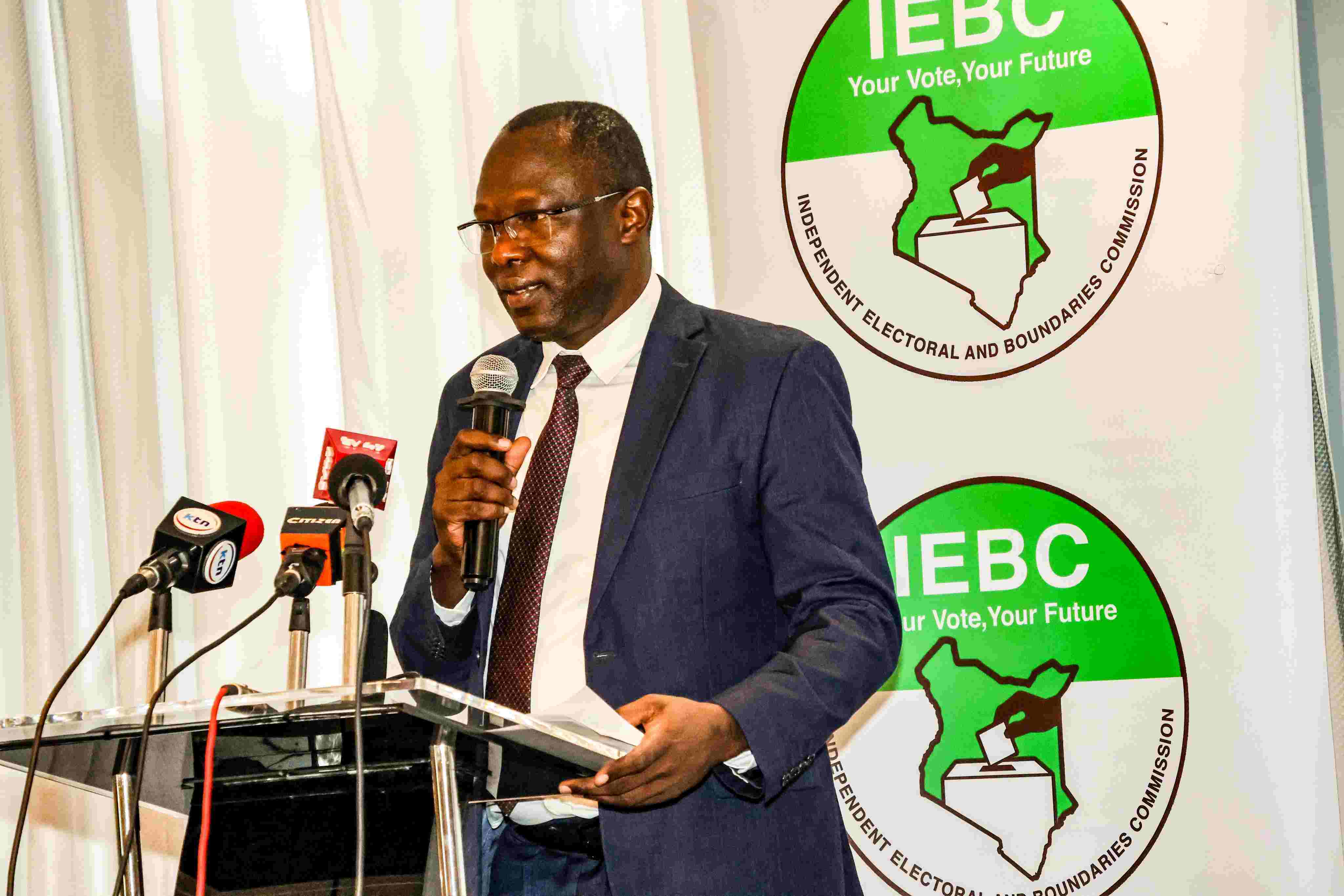
Speaking on Monday at a high-level Stakeholder Engagement Forum in Nairobi, Chairperson Erastus Ethekon provided a detailed account of the November 27 by-elections, highlighting the commission’s extensive preparations. These included recruitment and training of election officials, deployment of KIEMS kits, enforcement of the Electoral Code of Conduct, and coordination with security agencies across multiple operational environments.
The Chairperson outlined key operational gains achieved under his leadership, including the timely opening of polling stations, transparent vote counting, rapid transmission of results, and seamless coordination with security agencies.
He also highlighted that operational readiness was secured through a Sh798 million budget allocation, which mitigated the impact of initial exchequer delays, and that recruitment, vetting, and training of all election officials were completed. Comprehensive voter education and stakeholder engagement were conducted via media channels, observers, and community outreach.
The Chairperson commended the dispute resolution committee for upholding the Electoral Code of Conduct during the Kasipul Constituency by-election for the Member of the National Assembly (MNA), including issuing fines to candidates who breached the rules. He emphasised that candidates, particularly those planning to contest in the 2027 General Election, should report grievances directly to their Returning Officers rather than taking issues to the media or spreading misinformation.
Ethekon also noted that he will serve as the Presidential Election Returning Officer for the 2027 General Election.
On the rule of law and due process, Chairperson Ethekon emphasised that the commission’s work must follow proper procedures without shortcuts, speculation, or theatrics, and that all actions should be based on facts rather than unfounded commentary. He added that the commission cannot simultaneously manage elections and respond to rumours or misinformation.
"We cannot run elections, manage materials, oversee polling stations, and simultaneously chase after rumours," said Ethekon.
Vice Chairperson Fahima Araphat Abdallah expressed concern over low youth turnout and urged young people to register and participate in the 2027 General Election. She extended gratitude to all stakeholders for their support, emphasising that “election is everyone’s job,” and called for continued collaboration with the commission.
Commission Secretary/CEO Marjan Hussein Marjan, MBS, praised IEBC staff, security teams, political actors, media, observers, and community leaders for ensuring orderly polling, timely deployment of materials, and smooth voter identification through KIEMS. He also highlighted the contributions of 173 observer groups, voter educators, and media in promoting transparency and building public confidence.
“The scale of the exercise conducting the elections in the 22 electoral areas across diverse counties offered valuable insights into IEBC’s logistical systems, stakeholder engagement and field operations. This showed the critical contributions of 173 observer groups, voter educators, and the media in supporting transparency and building voter confidence,” said Marjan.
“There are areas requiring continuous improvement, including voter apathy, logistical gaps, misinformation, and isolated security incidents.”
The Chairperson of the Political Parties Liaison Committee (PPLC), Evans Misati, Chairperson of the Political Parties Liaison Committee (PPLC), welcomed the success of the by-elections, highlighting that no major complaints were received regarding electoral materials.
He urged political parties to be more involved in verifying sensitive materials and ballot paper serial numbers to enhance transparency and prevent allegations of irregularities.
Misati also called for zero tolerance for malpractice, condemned “super agents” and the use of force, stressed ethical conduct in campaign financing and voter engagement, and urged the IEBC to prohibit actions such as photographing marked ballot papers to ensure ballot secrecy.
PPLC further called on enhanced collaboration, accountability, and clear communication to help prevent misinformation and strengthen electoral integrity.
Top Stories Today