Parliament urged to enforce two-thirds gender rule to boost women’s political representation
The report further recommends the enactment of laws that adopt multi-layered approaches to women’s representation, while challenging political parties to strengthen and enforce gender-responsive internal structures that actively support women contesting competitive elective seats.
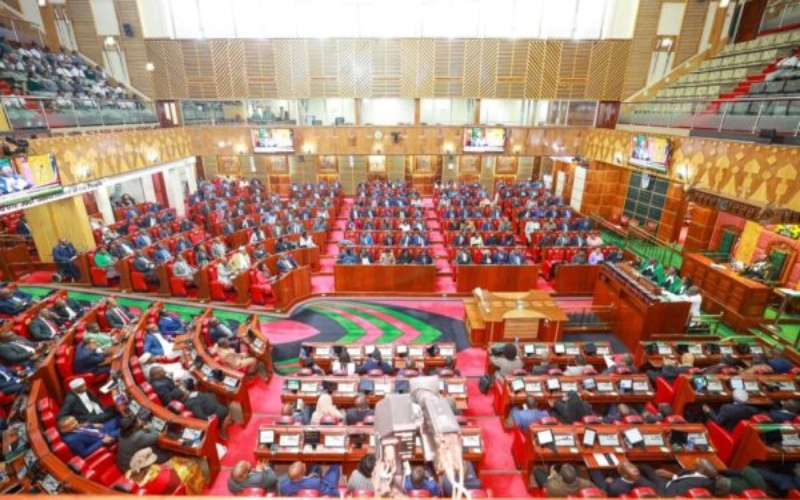
Parliament has been urged to pass legislation that would compel political parties to enforce the constitutional two-thirds gender rule in top elective seats, amid concerns that repeated failures to implement the rule have left women marginalised in Kenya’s political leadership.
The Association of Media Women in Kenya (AMWIK) says structural barriers, entrenched patriarchy, and inadequate legal frameworks continue to limit women’s access to competitive political positions.
More To Read
- Senate Bill outlines plan to achieve gender parity in Parliament
- Senators propose Bill to expand powers in fresh bid to counterbalance National Assembly
- MPs propose special seats to meet Kenya’s two-thirds gender rule quota
- Kenya backs gendered peace model, urges IGAD to act
- Media stakeholders urge MPs to fast-track approval of new media code of conduct 2025
- Petition to dissolve Parliament, Senate over gender rule forwarded to CJ Martha Koome
In a report assessing Kenya’s compliance with the two-thirds gender principle, AMWIK says persistent gaps in women’s political representation are rooted in a political system deliberately structured to favour men and reinforced by how multiparty democracy is organised and practised.
“Parliament should strengthen institutional retribution mechanisms, including the justice system, to respond swiftly to and address gender-based violence during the political process. This should be executed promptly to deter perpetrators and send a strong warning,” reads the report.
The report further recommends the enactment of laws that adopt multi-layered approaches to women’s representation, while challenging political parties to strengthen and enforce gender-responsive internal structures that actively support women contesting competitive elective seats.
AMWIK is also calling for the institutionalisation of civic education and political leadership programmes aimed at dismantling gender stereotypes and enhancing women’s political legitimacy.
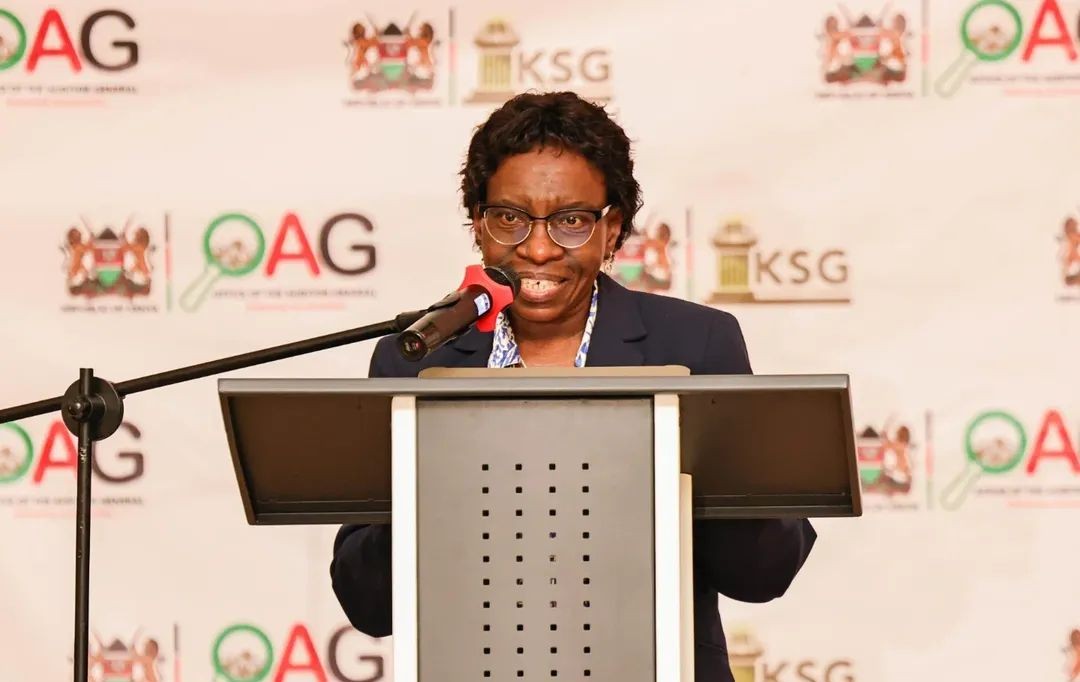
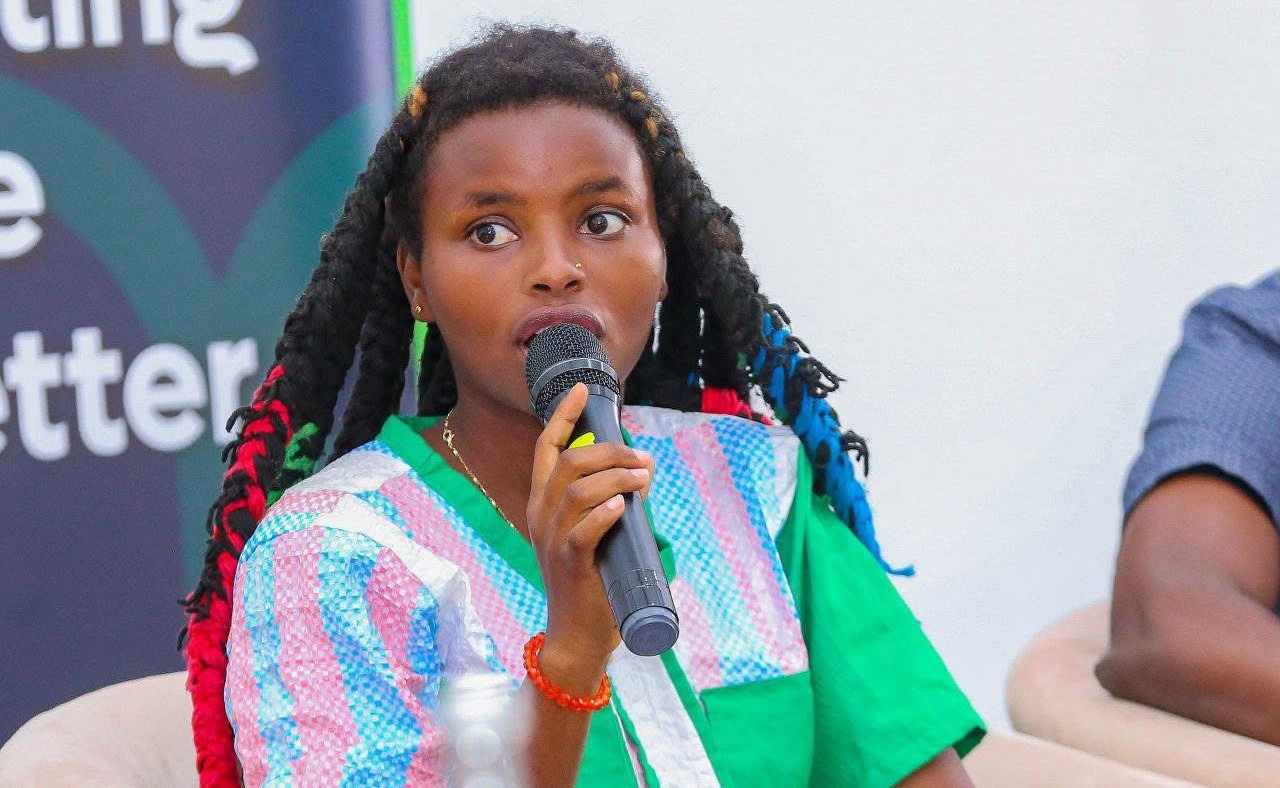
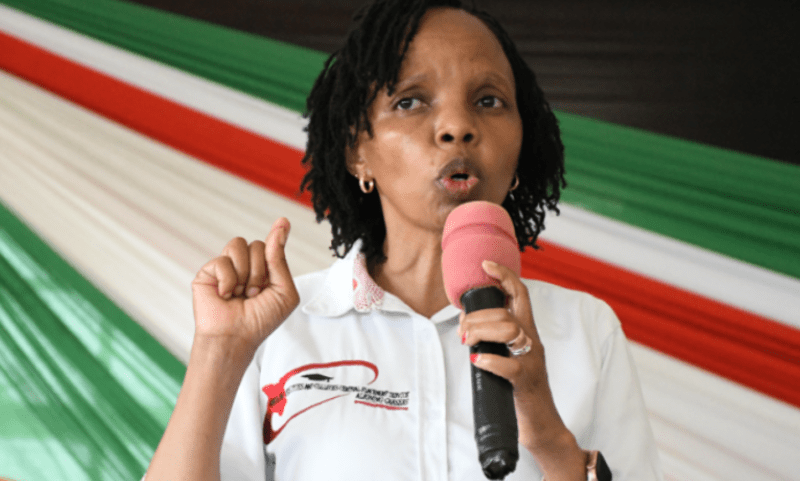
AMWIK Executive Director Queenter Mbori said the report is a call to action for all stakeholders to deliberately increase the number of women in political leadership by putting in place a legal framework that creates an enabling environment for female aspirants.
While early struggles for women in politics largely centred on access and mobilisation of resources, Mbori noted that the political landscape has shifted, with the report documenting emerging barriers such as weaponised online violence.
“Elections in Kenya have become financially crippling, disproportionately excluding women who often lack equal access to male-dominated campaign finance networks,” she said.
“There is also a persistent lack of political will, especially within political parties, to enact binding legislative mechanisms for the two-thirds rule,” Mbori added.
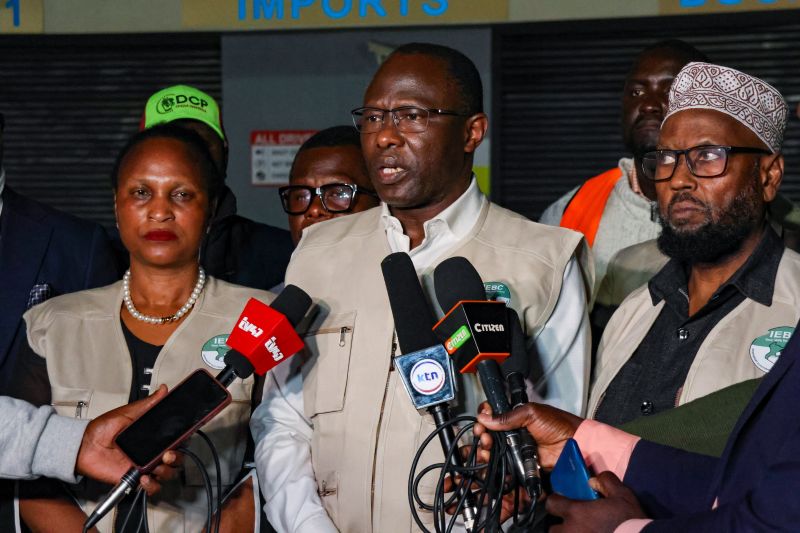
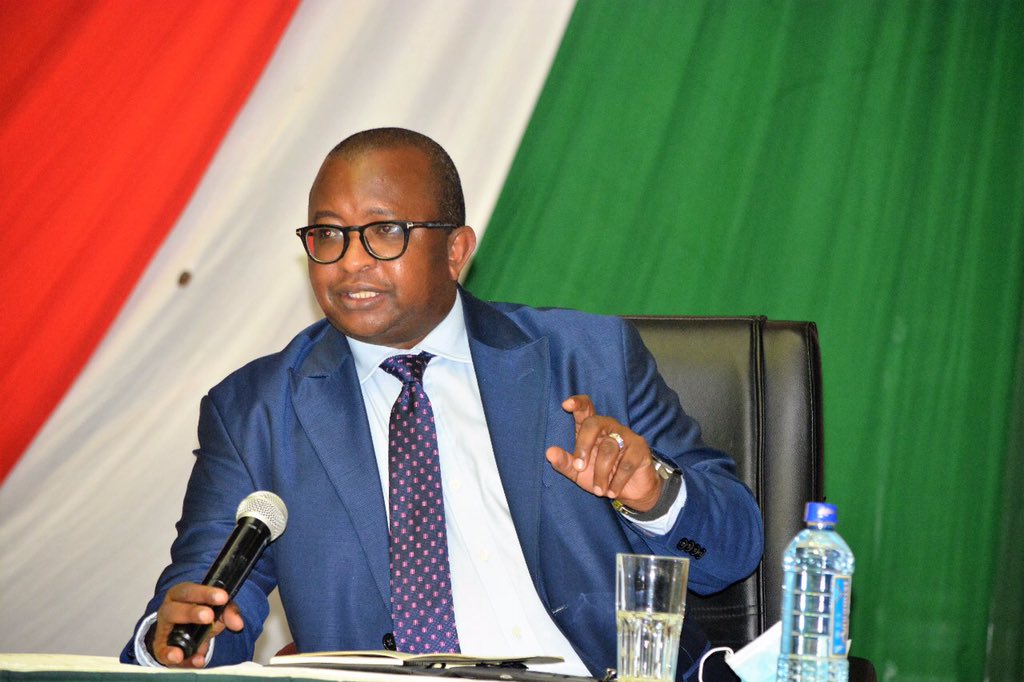
Journalists for Human Rights Kenya Programme Coordinator Bernard Ogoi, who presented the report, said the Independent Electoral and Boundaries Commission should be given an expanded mandate to develop and enforce a robust regulatory framework for elections, including clear sanctions.
“For example, what happens if one is identified to perpetrate violence against women candidates through evidence? Such should be disqualified from elections and prosecuted. IEBC should collaborate with political party leadership to integrate two thirds rule within ethnic enclaves where party positions heavily influence outcomes. This will ensure eventual leadership meets the constitutional threshold,” Ogoi said.
The report further challenges the electoral body to embed enforcement of the two-thirds gender principle within party nomination rules and ballot design, effectively compelling political parties to submit gender-balanced nomination lists as a condition for participating in elections.
In addition, the report pushes for the introduction of a legal ceiling on campaign spending to reduce the exclusion of women and youth, alongside the capping of party nomination fees.
AMWIK notes that Parliament’s continued failure to legislate the two-thirds gender rule remains a major legal obstacle. At least five attempts to pass the not-more-than two-thirds gender rule have collapsed in Parliament due to a combination of political, institutional and social factors.
The report observes that some Women's Rights Organisations perceived proposals to abolish the 47 Women Representatives' seats as attacks on women’s representation and the gains of the 2010 Constitution.
“Political self-interests played a part in blocking the passage of the respective laws, as some of the proposals directly threatened the political class positions, influence and access to resources. Poor messaging and advocacy in support of the legislative attempts resulted in a focus on the cost of implementing the not-more-than two-thirds rule, with general public sentiments terming it wasteful and incompatible with fair competition,” reads the report.
It further cites weak implementation of existing legal frameworks, inadequate funding and the slow dismantling of patriarchal and discriminatory gender norms, attitudes and cultural practices as persistent barriers facing women in political leadership.
According to the report, Kenyan politics remains entrenched in a deeply patriarchal system where men wield disproportionate influence over economic activity, social narratives and political discourse, ultimately shaping leadership outcomes.
Top Stories Today