Nearly 30 per cent of Kenyan public secondary schools face low enrolment crisis
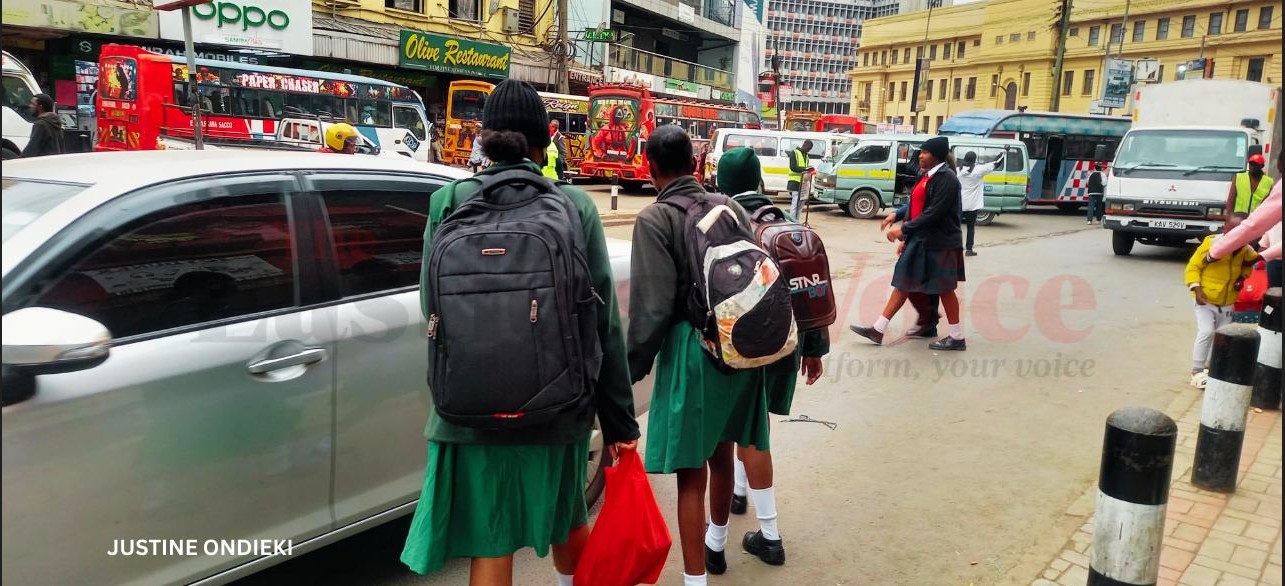
Education experts have also highlighted that the rapid growth of small and often unplanned schools is worsening the teacher shortage facing the sector.
Nearly three in every 10 public secondary schools in Kenya are enrolling fewer than 150 learners, raising concerns over staffing efficiency, classroom management and the equitable deployment of teachers.
Data from the Ministry of Education shows that 2,700 out of 9,605 public secondary schools are operating with critically low enrolment, a situation that is putting pressure on education planning and resource use.
More To Read
- KNEC to launch senior school assessment hubs ahead of Grade 10 CBE rollout
- Over 30,000 teachers set for senior school curriculum training ahead of 2026 transition
- Over 44,000 schools cleared for capitation as audit uncovers 87,000 ghost learners
- CBE curriculum spirit alive in Eastleigh as parents lead new wave of youth football development
- Teachers warn CBE curriculum risks undermining religious education, spiritual growth
- Government to use new AI system in placement of Grade 9 students to senior schools
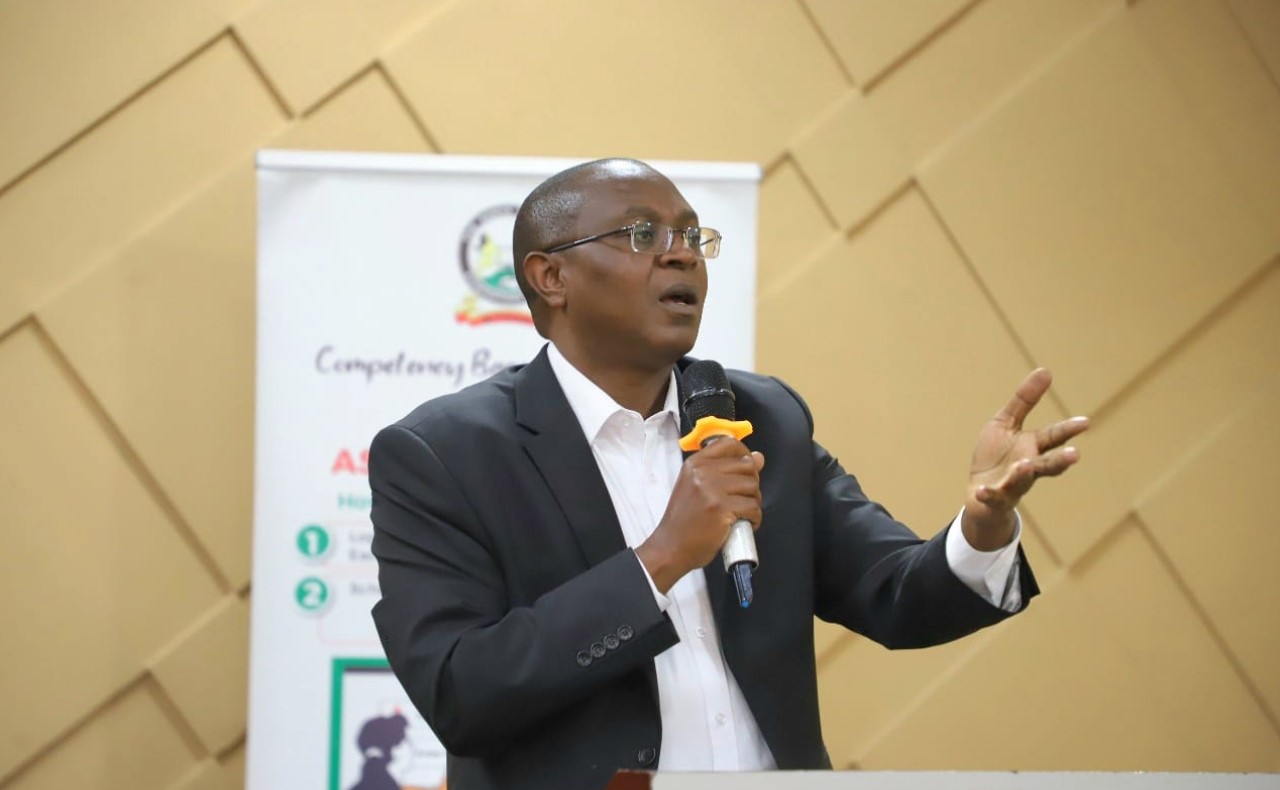
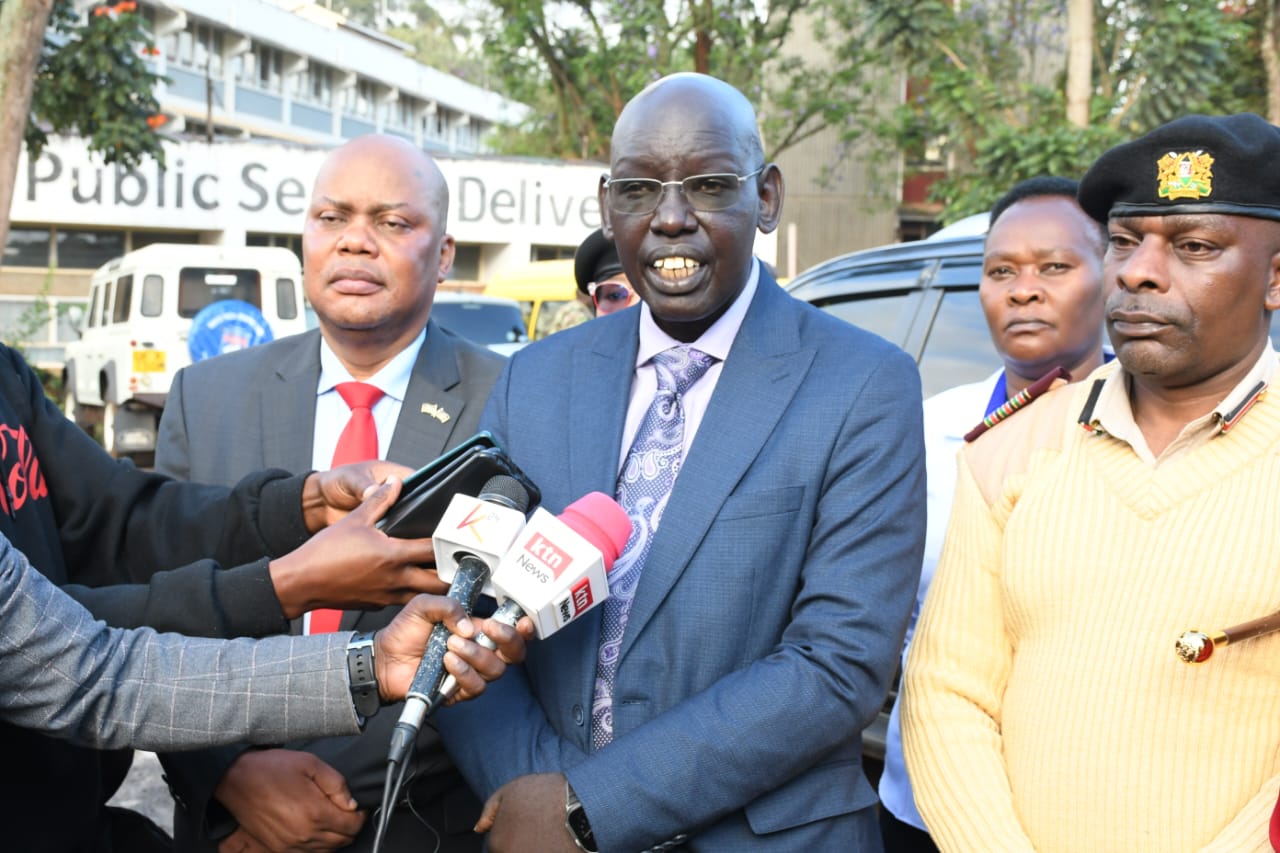
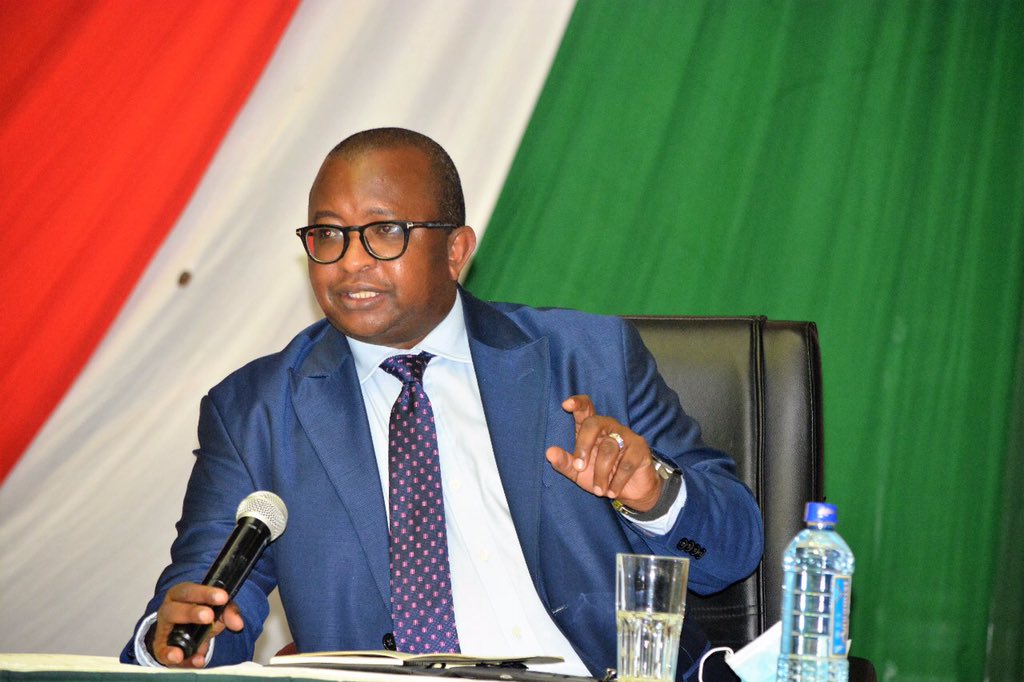
Head of the Directorate of Secondary Education, William Sugut, said the scale of the problem has prompted the Ministry of Education to consider far-reaching measures to optimise the use of teachers and public funds, particularly as the country prepares for the resource-intensive rollout of the Competency-Based Education (CBE) system at the Senior School level.
He emphasised that low-enrolment schools pose serious sustainability challenges.
“We have a total of 9,605 public secondary schools, and 2,700 of them have an enrolment of less than 150 learners,” Sugut said during an interview with Citizen TV.
He said the ministry will begin consultations with stakeholders to determine whether such schools are effectively serving government objectives and whether teachers deployed to them are being fully utilised.
“The Ministry of Education will hold discussions, in consultation with stakeholders, to assess the viability of these schools,” he added.
According to Sugut, while access to education remains a key government priority, the long-term sustainability of some institutions must be reviewed to ensure efficient use of public resources.
Education experts have also highlighted that the rapid growth of small and often unplanned schools is worsening the teacher shortage facing the sector.
Usawa Agenda Executive Director Emmanuel Manyasa highlighted that part of the teacher shortage the country is experiencing stems from the unplanned proliferation of schools.
“In some small areas, you find many public schools, each with only a few learners but all requiring the same number of teachers,” he said.
The challenge is especially acute in the Arid and Semi-Arid Lands (ASALs), where long distances between homes and public schools continue to limit access to education.
Manyasa said the distances are so extreme that very young children are being forced into boarding schools.
“In some areas, the nearest school is 50 kilometres away. Children as young as seven have to board because it is impossible to commute daily,” he said.
Zizi Afrique Foundation Chief Executive Officer John Mugo said North Eastern requires targeted interventions focused on local solutions.
He proposed training and incentivising residents from these areas to join the teaching profession, noting that such measures are essential for the effective implementation of the CBE system across the country.
Mugo said the approach addresses the core challenge of retaining teachers deployed from outside the region by creating a stable, locally based workforce.
He also pointed out that low enrolment leads to inefficient use of teachers.
“Teachers are not meeting the minimum number of lessons required per week. This forces a difficult choice: either collapse such small schools to enable teacher sharing, or implement strategies for nearby schools to share teachers, especially for practical subjects that require fewer lessons,” Mugo said.
He added that small secondary schools are financially unsustainable, arguing that institutions with fewer than 300 learners are not economically viable.
Beyond enrolment, the situation has exposed broader resource gaps within the public secondary school system.
Manyasa cited widespread shortages of science and computer laboratories, while other stakeholders urged the government to address persistent inequalities in teacher distribution, particularly in marginalised regions, as education reforms continue.
Top Stories Today