President Samia turns to the UN as Tanzania faces global pressure after deadly post-election violence
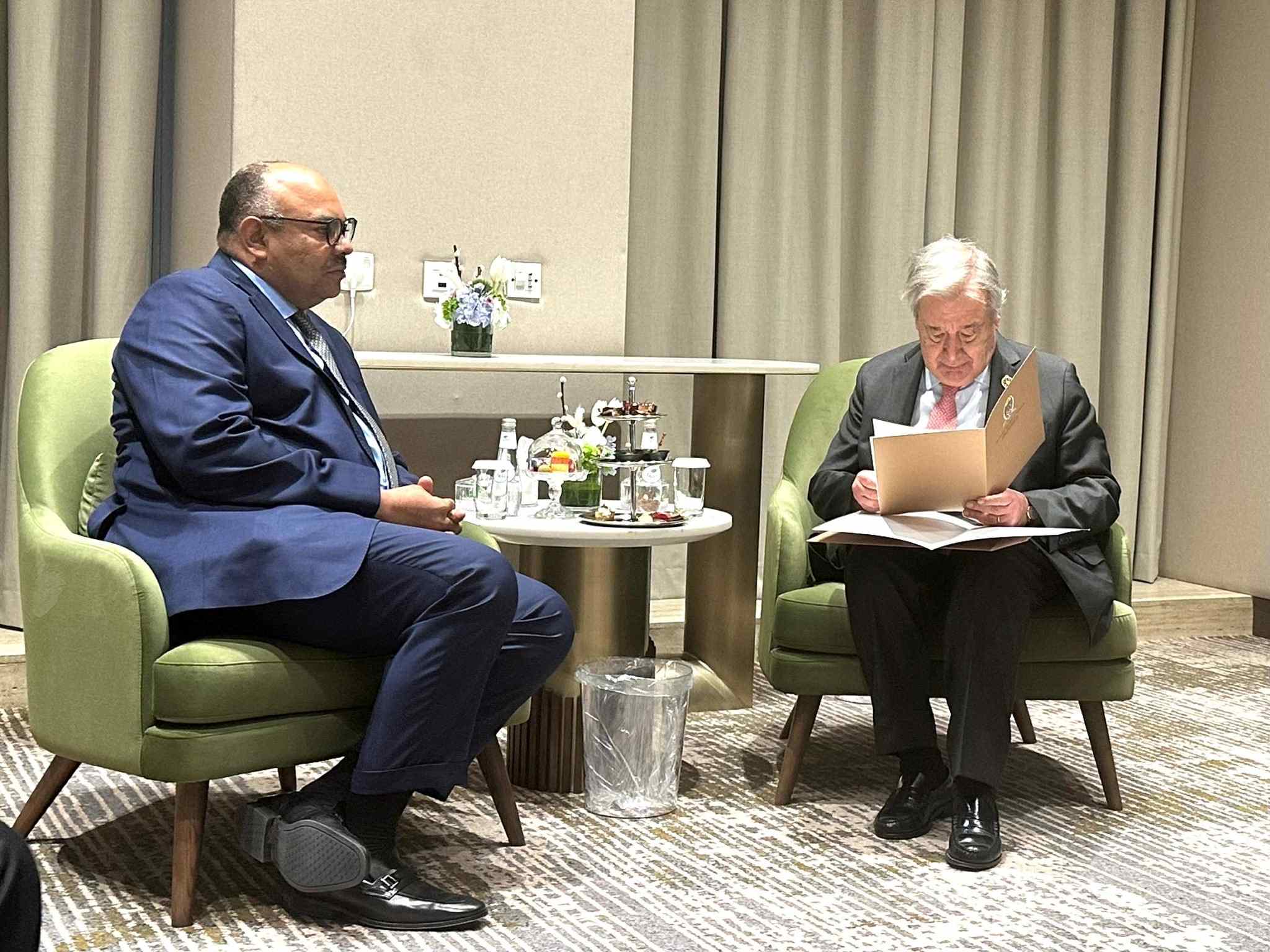
According to the Tanzanian statement, Guterres acknowledged the country's long-standing reputation as a "reference point for peace and social cohesion in Africa and the world," but noted that this image had been "tested" by the recent elections.
After weeks of sustained international scrutiny over deadly post-election violence, Tanzania has formally engaged the United Nations, dispatching a senior envoy to New York to deliver a message from President Samia Suluhu Hassan to UN Secretary-General António Guterres.
In a statement issued in Dodoma, Tanzania's foreign ministry said the UN chief received a "special envoy" bearing the president's message, delivered by foreign minister Mahmoud Kombo, amid what the government described as efforts to preserve national unity following the October 29 elections.
More To Read
- Tanzania’s internet blackout challenged at East African Court of Justice
- Tanzania mourns as CCM MP Jenista Mhagama dies amid post-election tensions
- Canada reviews Tanzania partnership after deadly post-election crackdown
- Tanzania police issue fresh warning against nationwide demonstrations
- Tanzania police dismisses social media claims of unrest amid heightened security
- Tanzania directs citizens to mark independence day from home amid protest fears
The outreach comes after mounting pressure from multiple fronts: Western embassies, the Commonwealth, African governments such as Ghana, former statesmen including Thabo Mbeki, and the UN itself—all of whom have raised concerns over the killing of civilians, alleged extrajudicial abuses, and the shrinking civic space after the vote.
According to the Tanzanian statement, Guterres acknowledged the country's long-standing reputation as a "reference point for peace and social cohesion in Africa and the world," but noted that this image had been "tested" by the recent elections.
He emphasised the need for a "meaningful and inclusive national dialogue" to address the root causes of the violence and prevent a recurrence.
The UN also reaffirmed its support for Tanzania's ongoing response, including cooperation with a national commission of inquiry set up to investigate the post-election unrest, an implicit signal that international patience will hinge on the credibility, independence and outcomes of that process.
Tanzania's decision to engage the UN marks a notable shift for a country historically wary of external scrutiny and protective of its sovereignty.
For decades, Dar es Salaam has resisted what it views as moralising diplomacy from abroad, often framing criticism as interference in domestic affairs.
Yet the scale and coordination of the current pressure, spanning African peers, Western partners and multilateral bodies, appears to have narrowed its diplomatic room for manoeuvre.
Top Stories Today