Somali universities warn against security agency’s interference on campuses
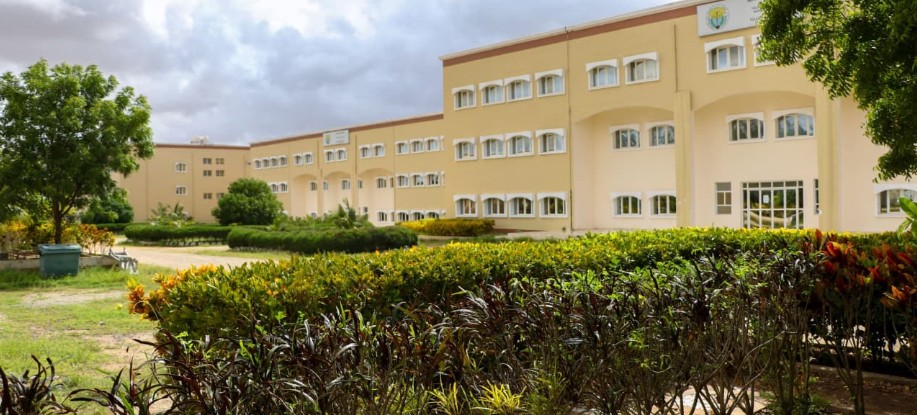
The Association of Somali Universities warns that growing security agency interference on campuses, including student arrests in Mogadishu, is undermining academic freedom, student safety and the stability of Somalia’s higher education sector.
The Association of Somali Universities has warned of what it described as increasing interference by government security agencies in the internal affairs of higher education institutions, saying such actions threaten academic freedom, student safety and the stability of the education sector.
In a press release issued on Monday, the association said it was deeply concerned by repeated incidents in which security forces have entered university campuses and become involved in matters outside their legal mandate. It said such actions violate national laws and established principles governing higher education in Somalia.
More To Read
- Somali parties say electoral body ignored concerns on December 25 Mogadishu polls
- UN Security Council extends sanctions oversight on Al-Shabaab
- AfDB grants full debt relief to Somalia after decades of economic turmoil
- Trump faces rising backlash over remarks targeting Somali immigrants
- Somalia welcomes first group of Sudanese students under new scholarship programme
- Mogadishu’s Hamarweyne market shut for third day amid tax dispute
The association noted that universities play a central role in producing skilled professionals and supporting national development, warning that continued interference could undermine public trust in educational institutions and disrupt the learning environment for students across the country.
Most recent incident
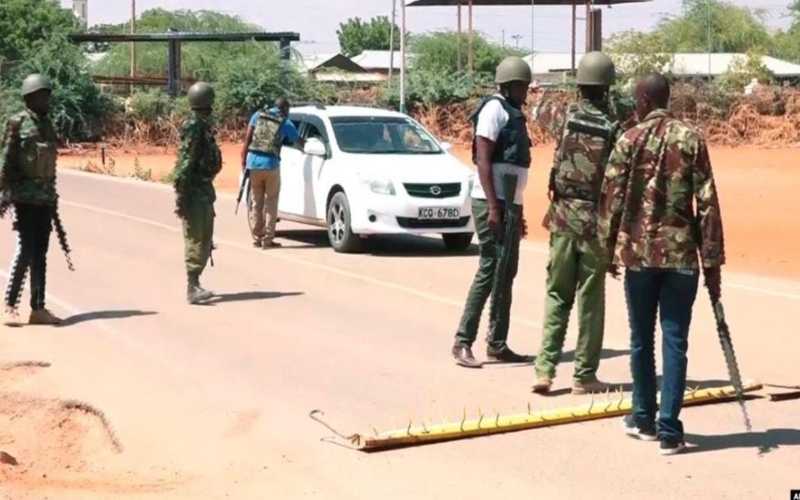
According to the statement, the most recent incident occurred on December 11, 2025, at the Iise Abdi campus in the Deynile district of Mogadishu, where security forces reportedly entered the campus and arrested students. The association said the incident created fear among students and staff and interrupted academic activities.
“Universities are spaces for learning, research, and free exchange of ideas, and they must not be treated as security zones or political arenas,” the association said.
It added that the involvement of security agencies in campus affairs without clear legal grounds amounts to a violation of academic independence. Universities, it said, are governed by specific regulations that outline how disputes and security concerns should be handled in coordination with university administrations.
The press release highlighted several concerns related to campus security, including the safety of students and staff, the protection of academic freedom, and the need to keep political and security disputes out of educational institutions. It warned that failure to do so could cause long-term damage to the education system.
“Any action that places students and lecturers at risk or disrupts the academic calendar undermines the future of the country,” the association said.
The association also warned that the misuse of state power and resources within universities could deepen divisions among students and faculty, and lead to discrimination and unequal treatment, which it said contradicts the principles of fairness and equal access that higher education institutions are meant to uphold.
In the statement, the association called on the Ministry of Education, Culture and Higher Education, the Ministry of Internal Security and other relevant state institutions to respect the legal autonomy of universities and ensure that security agencies operate within the limits set by the constitution and existing education laws.
It said Somali universities, whether public or private, are established under national laws and are accountable through regulatory frameworks that require cooperation with authorities, but not interference that disrupts teaching, examinations or student life.
“Security institutions have a duty to protect citizens, but that duty must be carried out in a way that respects the law and the independence of academic institutions,” the association said.
The association also appealed to parliament, the prime minister and the president to take responsibility for safeguarding the higher education sector by ensuring that laws governing universities are implemented and respected, and that any violations are addressed through legal channels.
In addition, it urged political leaders to avoid using universities as arenas for political competition or security operations, warning that such practices could damage the credibility of the education system and weaken the role of universities in promoting social cohesion and national unity.
The association said it would continue to monitor the situation and engage with government institutions to seek solutions that protect students, lecturers and academic institutions, while calling on university administrations to remain committed to dialogue and lawful cooperation with authorities.
Top Stories Today