All we want for Sudan is peace, say children fleeing violence
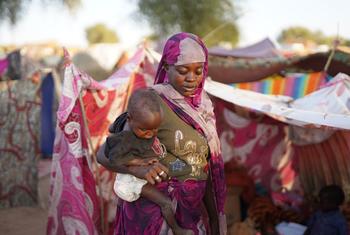
Sudan is in the midst of the world’s most severe humanitarian crisis, since the conflict erupted 2023 between the Sudanese Armed Forces and paramilitary Rapid Support Forces, which now controls North Darfur’s devastated capital, El Fasher, after more than 500 days of siege.
Nahed was visiting Sudan’s capital Khartoum with her family to celebrate Eid, a major Islamic holiday, when the war broke out between the rival armies vying for control of her homeland.
Only 16 at the time, she saw armed men attacking her village and killing people – her grandfather and uncle among them. Girls were raped or taken.
More To Read
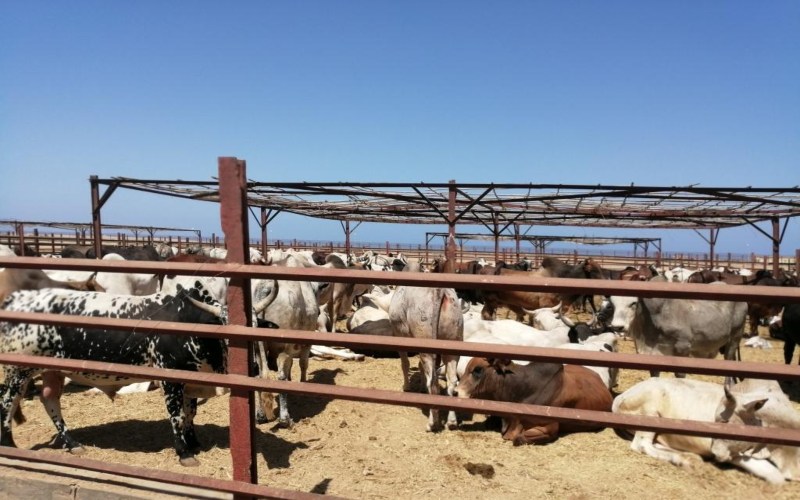
- Sudanese herders struggle to safeguard livestock amid devastating war
- ICC sentences Sudanese militia leader Ali Kushayb to 20 years for Darfur war crimes
- Children killed in Sudan’s South Kordofan drone attacks as humanitarian crisis worsens
- UNICEF, Save the Children hail Turkana’s progress in tackling malnutrition
- Sudan’s crisis deepens with communities trapped in ‘siege conditions’
- From protesting tyranny to saving lives: How Sudan’s networks are responding to war
“Nahed managed to escape but said it was terrifying,” said UNICEF Executive Director Catherine Russell who described Nahed’s story on Tuesday. “The chilling memories remain.”
Sudan is in the midst of the world’s most severe humanitarian crisis, since the conflict erupted 2023 between the Sudanese Armed Forces and paramilitary Rapid Support Forces, which now controls North Darfur’s devastated capital, El Fasher, after more than 500 days of siege.
Russell called for urgent action to safeguard children and essential services on Tuesday after visiting the country, where an estimated 10 million people have been displaced – half of them children.
‘Unrelenting violence’
During her visit to Kassala in the east of the country, Russell met women and teenage girls receiving psychosocial support and skills training at a UNICEF-supported centre.
Many fled violence and found care and safety at the centre, but similar services are extremely limited in Darfur and Kordofan states due to ongoing insecurity.
“Children in Sudan are living through unrelenting violence, hunger and fear,” stressed Russell. “Women and girls are bearing the brunt of the crisis, including horrific levels of sexual violence.”
Briefing journalists from Sudan on Tuesday, UN reproductive health agency (UNFPA) country representative Fabrizia Falcione said she met survivors from El Fasher who had lost everything, including a 17-year-old girl with a 40-day old child born out of rape.
None of the women she spoke to had received a single antenatal care consultation before giving birth.
“They told me that they preferred not to go to the hospital rather than risking their lives trying to reach it.”
We need toilets and bread
When Falcione asked displaced women what they needed the most, they answered toilets and bread. A way to earn a living came in third.
“No toilets anywhere near their tents, no lights in the camp at night,” said Falcione. “And these are pregnant women without men in their households.”
In North Darfur, fighting in and around El Fasher has forced more than 106,000 people to flee since late October, overwhelming reception sites and turning areas like Tawila into vast informal settlements.
Among other assistance measures, UNFPA is providing maternal care and psychosocial services for survivors of gender-based violence, while UNICEF is identifying and registering unaccompanied children, restoring access to safe water, and more.
Russell said everywhere she went during her visit to Sudan, children told her the same thing.
“‘All we want for Sudan is peace.’ The world must do better to deliver on that wish.”
Top Stories Today