Imagine the internet as a vast city, with the African Network Information Centre (AFRINIC) acting as the city council responsible for allocating plots of land - IP addresses - across Africa. The old plots, IPv4, are nearly exhausted.
To encourage a shift, the council is urging everyone to move into the limitless new mega‑suburb, IPv6. To push that transition, some have proposed a strict rule: anyone seeking the last remaining old plots must first prove they are actively building in the new suburb.
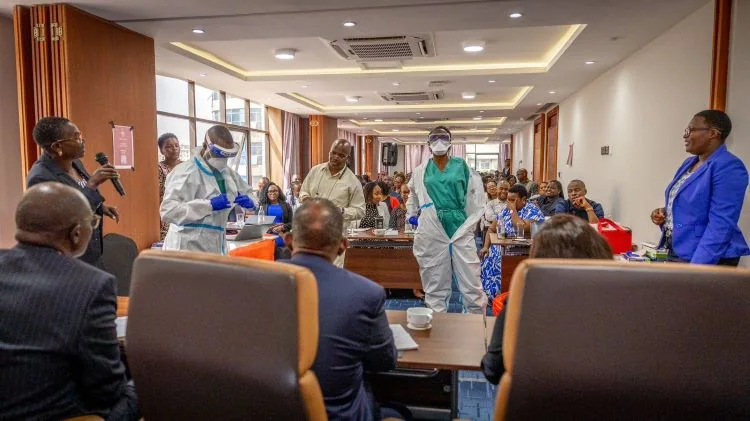
It sounds smart on paper, but when the rule hit the council floor yesterday, a massive argument broke out. Africa's biggest internet hubs and AFRINIC’s own staff pointed out that the rule is completely unworkable.
It relies on data no one can track, ignores the fact that legacy hardware can't handle certain address layouts, and could accidentally crush small, local internet providers who cannot afford the upgrade yet.
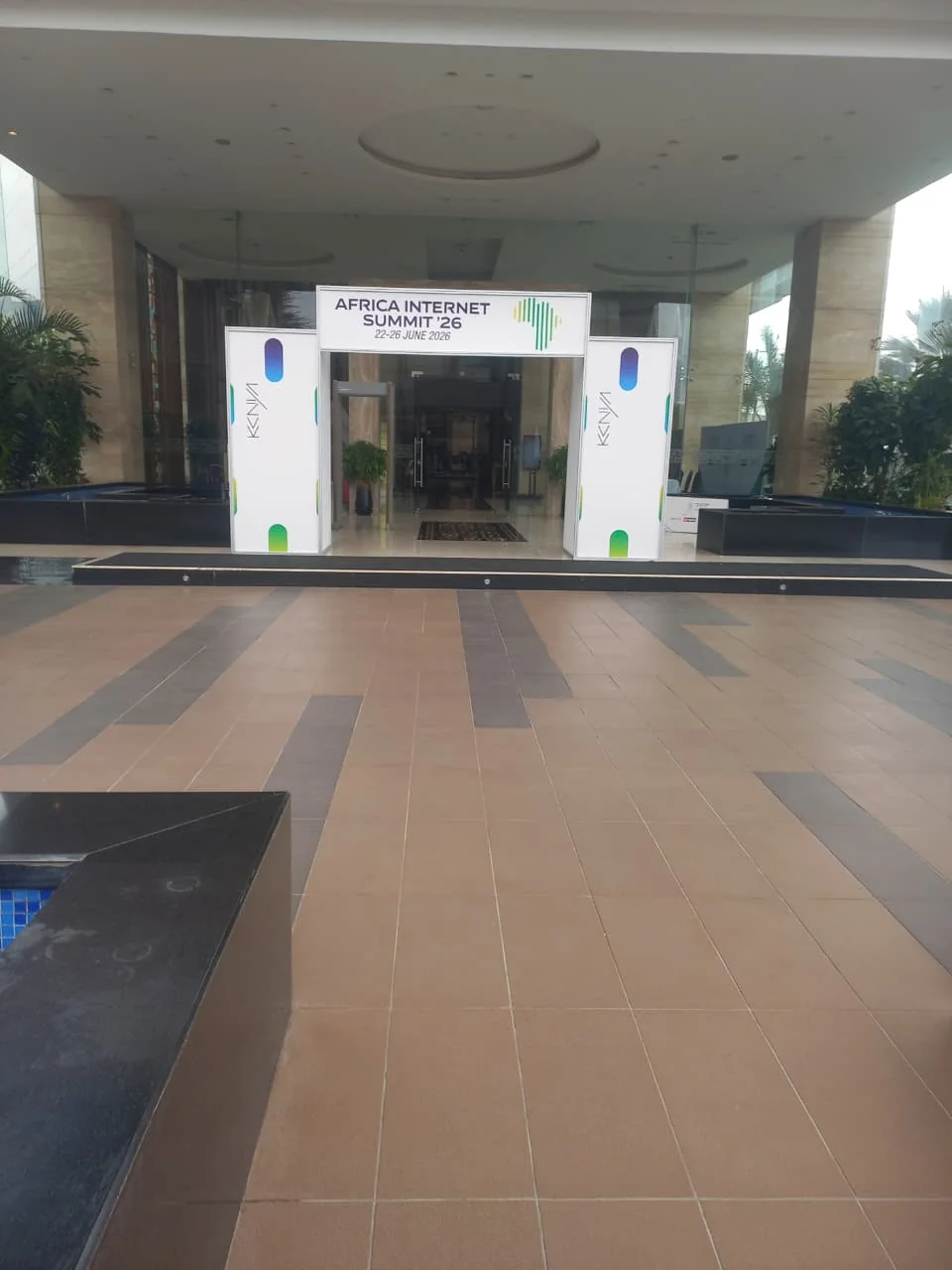
The ongoing AFRINIC-37 summit in Ole Sereni took a dramatic turn today as structural policy ideals collided head-on with the cold realities of network engineering.
While the Policy Development Working Group arrived with ambitious blueprints to force IPv6 migration across the continent, seasoned infrastructure operators and AFRINIC’s own staff delivered a series of reality checks, exposing massive implementation gaps that critics warn could threaten regional internet stability before the summit concludes on June 26th.
From administrative bottlenecks in the newly revived member portal to warnings of a five-year infrastructure nightmare for Africa’s largest traffic hubs, the sessions revealed a community deeply divided over how to govern the continent's remaining digital plumbing.
Rebuilding on shaky ground: portal revival amid constraints
The operational segment of the day opened with an implementation roadmap delivered by Madhvi Gokool of the AFRINIC Legal and Secretariat team. Gokool outlined the enforcement timeline for recently ratified guidelines, including the new Abuse Contact Policy, which forces networks to maintain active mailboxes to report cybercrime and network misconduct.
However, the presentation quickly shifted from regulatory timelines to systemic vulnerabilities when Gokool openly acknowledged that the registry’s core infrastructure, specifically the
MyAFRINIC member portal, which has faced severe development delays due to prolonged institutional financial and staffing constraints.
While Gokool offered a positive milestone, revealing that dedicated engineering interventions successfully "revived" the portal system last year, the Secretariat admitted that automated policy workflows remain only "partly implemented."
Full production access will be frozen until the next-generation interface, MyAFRINICv2, is ready for a target beta release at the end of June.
The five-year nightmare: NAPAfrica flags massive operational risks
The theoretical policy debate turned starkly technical when James Chirwa, Head of Member Services, delivered the Policy Implementation Experience Report.
Chirwa flagged a major administrative friction point, revealing that his frontline hostmaster staff are struggling to align rigid, archaic policy definitions with the operational models of modern Internet Exchange Points (IXPs).
The room’s energy shifted entirely when Andrew Alston, representing NAPAfrica, the continent’s largest IXP infrastructure, pushed terabits of production traffic to the microphone to illustrate the dangerous stakes of rigid registry enforcement.
Alston delivered a blunt warning to policy authors: if an established, high-throughput hub is forced to renumber its underlying IP blocks due to inflexible retrospective compliance checks, it would trigger a high-risk operational project lasting five years or more. Alston detailed how coordinating manual updates across hundreds of global peers and interconnected networks is an incredibly complex undertaking, something they were overlooking.
Furthermore, Alston exposed a fundamental flaw in how theoretical policies split up network blocks, noting that engineers "can't do IPs zero on a /22 block." In large-scale networks, standard routing mechanics and legacy hardware frequently cause configuration conflicts on subnet boundaries (network "zero" addresses).
Delegates argued that penalising operators for leaving these technically restricted boundary addresses unassigned proves that current policy metrics fail to account for basic routing realities.
The IPv6 mandate: Staff impact assessment exposes "Ghost metrics"
The climax of the session arrived with the presentation of the Staff Impact Assessment for a highly controversial proposal tying access to scarce, remaining IPv4 pools directly to active IPv6 deployment. Under the draft text, any member requesting IPv4 would have to submit an IPv6 deployment plan and meet strict compliance thresholds based on their top 25 traffic destinations.
However, AFRINIC’s internal staff assessment dropped a bombshell reality check, exposing several unworkable blind spots in the proposal:
The Missing Mechanism: Staff explicitly noted that the actual mechanism for measuring an operator's "top 25 traffic destinations" and validating whether they are IPv6-enabled is completely unspecified. AFRINIC has no window into an ISP's private traffic data, making the policy’s core tracking metrics effectively invisible.
The "Coherence" Loophole: The standard for what constitutes a "coherent" deployment plan is entirely undefined, leaving Hostmasters with no objective criteria to judge submissions.
Penalising the vulnerable: The assessment explicitly warned that the policy could disproportionately hit smaller regional operators, such as Wireless Internet Service Providers (WISPs).
These operators face practical external barriers such as upstream provider limitations or customer hardware constraints, meaning they could be denied critical IPv4 space despite having an authentic operational need.
A quiet mailing list leads to a loud floor
As the session concluded, it became clear that the community had merely saved its energy for a face-to-face showdown.
Seasoned regional policy author Grégoire Ehoumi injected a final note of caution into the room, urging the Working Group to halt the rush toward hasty, reactive policy adjustments. Ehoumi argued that the community must wait for concrete registry numbers and empirical data from the Hostmasters before jumping into structural rule changes.
With the AFRINIC-37 Summit set to conclude on June 26, one message has resonated throughout the event: Africa's technical community is no longer willing to accept policies developed in isolation from operational realities.
Participants have repeatedly emphasised that if a proposal cannot withstand the practical demands of routers, Internet exchange points, network operators, and real-world business considerations, it belongs back on the drawing board.
As discussions continue, stakeholders are focused on ensuring that policy decisions are both technically sound and operationally feasible, with full implementation expected in November 2026.






































Comments
Sign in with Google to comment, reply, and like comments.
Continue with Google