Israeli raids and settler attacks deepen humanitarian crisis in West Bank
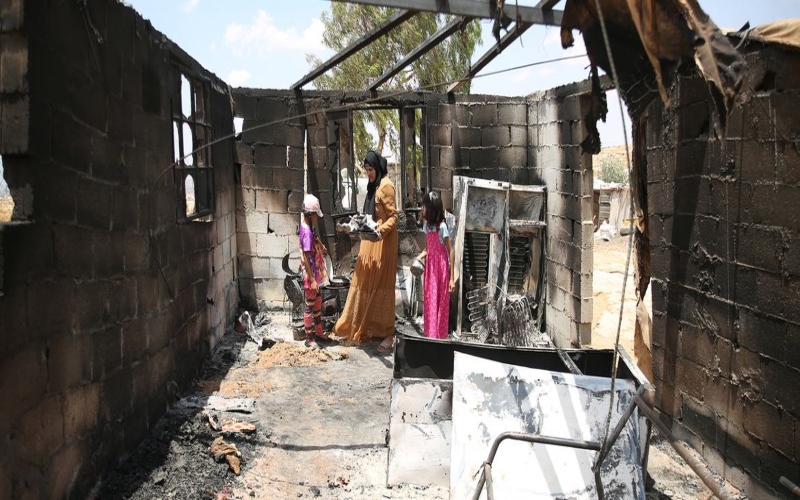
In Tubas, wide-ranging raids, curfews and bulldozer activity caused extensive damage to homes, roads and water networks, displacing families and cutting water supplies to nearly 17,000 people.
A spike in Israeli military raids and settler violence across the occupied West Bank is driving new displacement, shutting schools and disrupting essential services for tens of thousands of Palestinians, the UN relief coordination office, OCHA, said in its latest humanitarian update on Friday.
Between November 25 and December 1, four Palestinians, including one child, were killed by Israeli forces, bringing the total number of Palestinians killed in the West Bank so far this year to 227.
More To Read
- UN support helps Gaza mothers give birth amid collapsing health system
- Palestinian militia leader working with Israel killed in Southern Gaza
- Gaza’s once-growing economy nears total collapse amid war and blockade
- Staggering Gaza casualties amid ongoing ceasefire breaches
- Palestinian police to be trained in Egypt as Gaza rebuilds security forces
- Israeli drone attack kills two Palestinian boys in Gaza
Nearly half of all fatalities in 2025 were recorded in the Jenin and Nablus governorates.
Large-scale operations in Jenin and Tubas governorates alone affected more than 95,000 Palestinians last week.
In Tubas, wide-ranging raids, curfews and bulldozer activity caused extensive damage to homes, roads and water networks, displacing families and cutting water supplies to nearly 17,000 people.
Settler violence has also remained at high levels. So far this year, OCHA documented 1,680 settler attacks across more than 270 communities - an average of five per day – with the current olive harvest season marked by widespread assaults on farmers, trees and agricultural infrastructure.
Situation in Gaza
In Gaza, airstrikes, shelling and daily building detonations continue to be reported near the so-called “Yellow Line”, which cuts across more than half of the territory where Israeli forces remain deployed.
Shifts in the line last week triggered fresh displacement from eastern Gaza City, as winter rains compounded already dire living conditions.
Since the ceasefire took effect in October, more than 774,000 displacement movements have been recorded. Over the past week alone, more than 20,500 movements were registered, driven largely by flooding and insecurity.
Humanitarians warn that winter conditions, overcrowding and repeated displacement are heightening risks for children, older persons, persons with disabilities and female-headed households.
Food and health services
The health system in Gaza remains on the brink of collapse.
Although 42 health facilities have reopened or partially resumed services since the ceasefire, 61 per cent of all health service points remain non-functional, placing enormous strain on what remains of the system.
According to the UN World Health Organisation (WHO), more than 16,500 patients – including around 4,000 children – still require medical evacuation, as the advanced care they need is unavailable inside Gaza.
Food security and nutrition remain critical.
The UN Children’s Fund (UNICEF) reported that two-thirds of children under five consumed just two or fewer food groups in October, placing the entire under-five population at risk of acute malnutrition.
While food assistance has expanded in recent weeks, shortages of fuel, cooking gas and cash continue to limit access to diverse diets.
The scale of physical destruction is immense. More than 80 per cent of buildings in Gaza are damaged or destroyed, and UN estimates indicate that debris clearance alone could take at least seven years, even with stable access and sufficient funding.
Funding and relief supplies
Despite the magnitude of needs, humanitarian funding remains severely constrained. As of December 4, only 40 per cent of the $4 billion (Sh516 billion) required for the 2025 response in Gaza and the West Bank had been received.
The UN also continues to coordinate humanitarian missions within Gaza.
On Wednesday, six out of seven such attempts were facilitated by Israeli authorities, enabling humanitarian teams to collect fuel, medical supplies, diapers, dignity and hygiene kits, soap, winter clothing, and other essential items from the Kerem Shalom and Zikim crossings.
Top Stories Today