Lionel Messi wrote another memorable chapter in his extraordinary career as Argentina came from behind to beat England 2-1 in a dramatic FIFA World Cup semi-final, sending the defending champions into Sunday's final against Spain while extending England's decades-long wait for another appearance in football's biggest showpiece.
The meeting in Atlanta had all the ingredients that have defined one of international football's fiercest rivalries. From the moment the teams walked onto the pitch at Mercedes-Benz Stadium, history seemed to hover over the contest.
England and Argentina had not met at the World Cup since David Beckham's penalty settled their 2002 group-stage encounter, while memories of Diego Maradona's "Hand of God" and "Goal of the Century" in 1986, along with the fiery 1998 clash in Saint-Étienne, ensured another meeting between the two nations would never simply be another football match.
For Messi, the evening carried an additional layer of significance.
Despite facing English clubs 36 times in the UEFA Champions League and producing an astonishing 33 goal involvements 27 goals and six assists, the most by any player against clubs from a single nation this was remarkably his first appearance against England at senior international level. At 39 years old, there was another milestone waiting to be achieved.
The opening half was unlike any World Cup semi-final in recent memory. Neither side managed a single shot during the opening 30 minutes, making it the longest wait for an attempt on goal in any World Cup match since detailed records began in 1966.
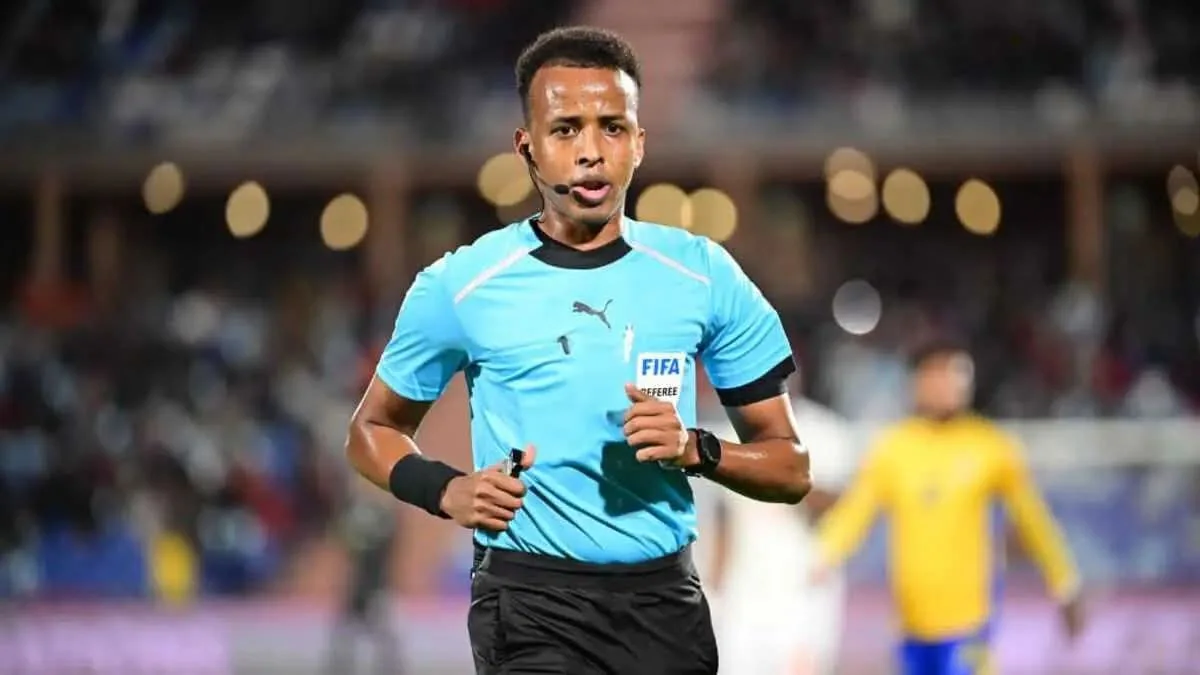
Instead, the game became an intense tactical battle interrupted by 19 fouls, with referee Ismail Elfath repeatedly called upon to calm rising tempers.
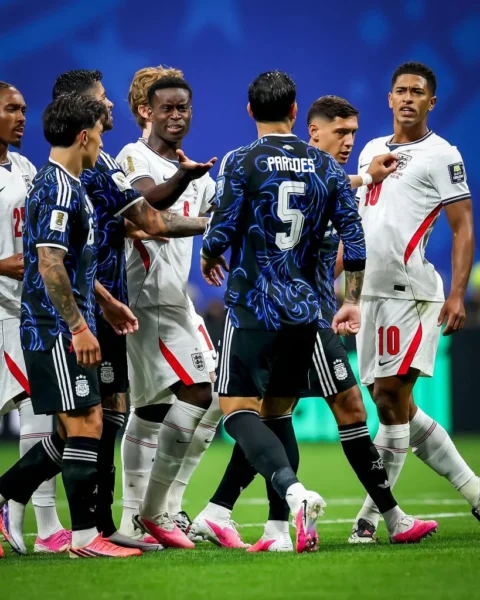 Photo shows the moment when the tempers were high between the two teams. (Photo: FIFA)
England entered the contest full of confidence. Thomas Tuchel's men had won 13 of their previous 14 competitive matches under the German coach and had not lost to a country beginning with the letter "A" in 22 consecutive games. They had also gone five international meetings without defeat against Argentina, winning each of the previous two.
Argentina, however, brought their own formidable credentials. Lionel Scaloni's side had won 13 consecutive matches in all competitions and were chasing the opportunity to become the first defending champions since Brazil in 1962 to successfully retain the FIFA World Cup.
The deadlock was finally broken ten minutes into the second half when Morgan Rogers delivered an inviting cross from the right and Anthony Gordon arrived unmarked at the far post to put England ahead. It was a goal that appeared capable of carrying England to their first men's World Cup final since lifting the trophy in 1966.
Instead, it marked the beginning of Argentina's complete control.
Tuchel responded by reinforcing his defence, introducing additional centre-backs as England gradually retreated deeper into their own half. Between Gordon's goal in the 55th minute and Lautaro Martínez's winner in stoppage time, Argentina monopolised possession, controlling an extraordinary 88 per cent of the ball while England managed just 12 per cent.
The pressure became relentless. Alexis Mac Allister struck the woodwork, Jordan Pickford produced important saves to delay the inevitable, and England struggled to escape their own penalty area.
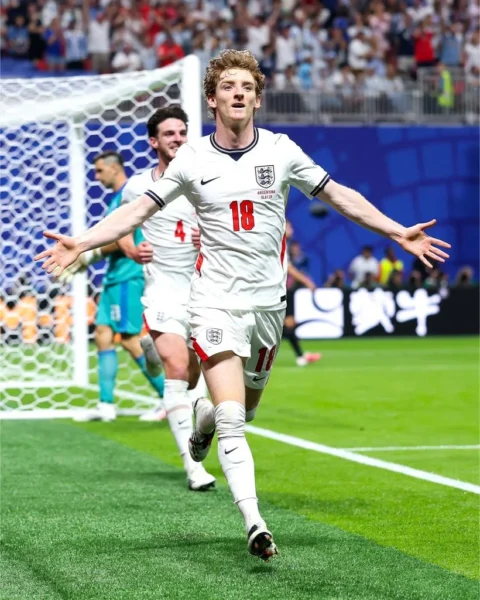 Anthony Gordon the goal scorer for England. (Photo: FIFA)
With five minutes remaining, Messi finally produced the decisive moment the match had been waiting for. Receiving possession outside England's defensive block, he calmly picked out Enzo Fernández, whose powerful strike from 25 yards flew beyond Pickford to level the scores.
Seven minutes later, Messi delivered again.
This time, the captain drifted into space on the right before producing a perfectly weighted cross with his weaker right foot for Lautaro Martínez to head home the winning goal in the 92nd minute, completing one of Argentina's latest comebacks on the World Cup stage.
Although he did not find the scoresheet, Messi's influence was impossible to ignore. He completed nine successful dribbles and supplied both assists, becoming the first player on record since 1966 to register nine completed dribbles and two assists in a single World Cup knockout match.
The two assists also elevated him to 12 assists in FIFA World Cup history, with 10 of those coming during knockout matches. No other player has recorded more than eight assists across all World Cup finals since detailed records began.
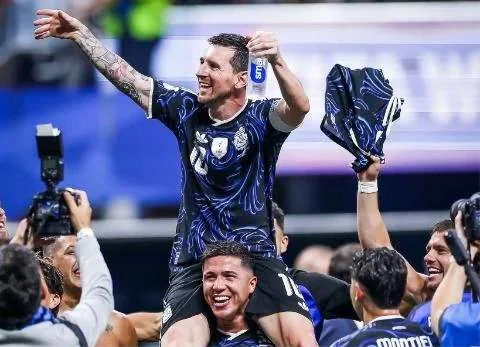
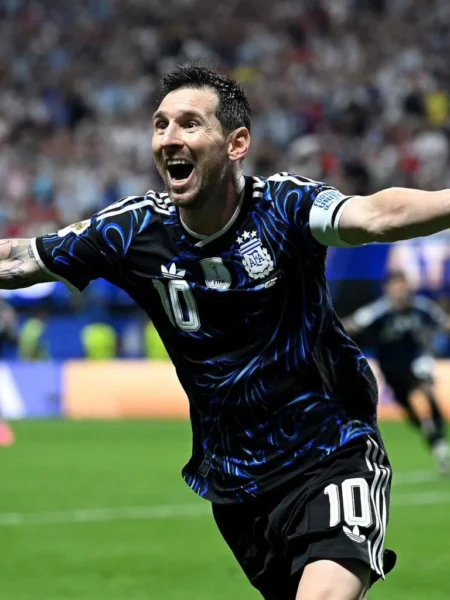 Game changer and two assists provider Lionel Messi. (Photo: Argentina/X)
His overall form remains equally remarkable. Messi has now scored or assisted in 13 consecutive matches for club and country, the second-longest such streak of his career, surpassed only by a 14-match run in 2011. His nine completed dribbles against England also matched the highest total of his World Cup career, equalling performances against Germany in 2010 and Iceland in 2018 despite coming at the age of 39.
Argentina's victory also added another statistical milestone. Enzo Fernández's strike became the team's fifth goal from outside the penalty area at this tournament, matching the highest total ever recorded by a single nation at one World Cup since 1966.
For England, the defeat extended a painful pattern. Having won their first World Cup semi-final in 1966, they have now lost each of their last three appearances at that stage, in 1990, 2018 and now 2026. More strikingly, they have now been eliminated every time they have faced a top-10 FIFA-ranked nation in the knockout stages of the World Cup since 1998.
It was also the second time this century that England had scored first in a World Cup semi-final only to be eliminated, following their defeat to Croatia in 2018.
Harry Kane's record-breaking 121st appearance, which moved him past Wayne Rooney as England's most-capped outfield player, ultimately ended in disappointment. The captain, along with Jude Bellingham, was unable to halt Argentina's relentless second-half momentum.
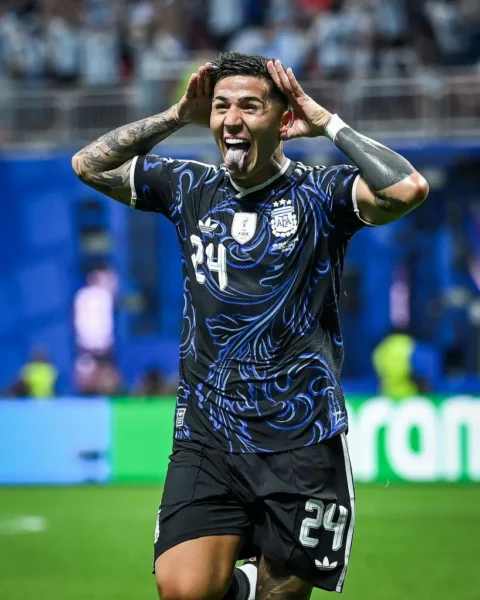 Photo shows Enzo Farnandez celebrating his goal © Argentina x
The victory now sets up one of the most anticipated World Cup finals in recent memory. Sunday's showdown between Argentina and Spain will be the first World Cup final to feature the reigning Copa América champions against the reigning European champions.
It also presents another compelling storyline. Messi, seeking a second World Cup title at the age of 39, will face Spain's gifted generation led by Lamine Yamal, the teenager many already regard as the game's brightest emerging star.
Whether it becomes the final masterpiece of Messi's international career or the beginning of a new era led by Spain, the stage is now set.
Argentina earned their place through resilience, patience and the enduring quality of its captain, who once again proved that even when he waits until the closing moments to shape a game, he often leaves the biggest mark of all.




























Comments
Sign in with Google to comment, reply, and like comments.
Continue with Google