South Africa rejects US plan to send Chargé d’Affaires for G20 handover
This year's G20 summit is particularly sensitive. South Africa is handing over the presidency to the United States, which assumes the chair position for 2026.
Washington and Pretoria are locked in an unusual public squabble over diplomatic protocol ahead of the G20 handover this weekend, exposing the depth of the rift between the two governments.
The United States has informed Pretoria that it will send a chargé d'affaires, Marc Dillard, who previously served as Deputy Chief of Mission in Nairobi, to receive the G20 presidency from South Africa.
More To Read
- 15 Kenyans set for deportation as US labels them 'worst of the worst'
- Rights group files complaint over Infantino’s peace prize award to Trump
- US sanctions network accused of recruiting Colombians to fight for Sudan’s RSF
- Over 60,000 African penguins died as sardines disappeared from South Africa’s waters, study finds
- How Trump–Ruto health deal fills the void left after USAID exit
- UN hails DR Congo-Rwanda peace deal amid ongoing hostilities in the east
The choice marks a deliberate downgrading of representation at an event traditionally attended by senior envoys or cabinet-level officials.
South Africa has bristled at the move.
Presidential spokesperson Vincent Magwenya said bluntly on X that "the President will not hand over to a chargé d'affaires", signalling Pretoria's refusal to lend presidential gravitas to what it sees as an under-ranking delegation.
The row escalated after the White House press secretary said President Ramaphosa had been "running his mouth" about Washington's engagement at the summit - a phrase that stunned Pretoria and fuelled accusations of diplomatic disrespect.
Ramaphosa had earlier told journalists that Washington was "re-engaging" on participation after initial indications that it would stay away.
However, a diplomatic note from the US Embassy in Pretoria, seen by this outlet, makes clear that Washington will not participate in the G20 deliberations.
It will only attend the ceremonial handover and nothing more.
The American decision is widely seen as a political snub directed at Pretoria, reflecting the sharp deterioration in relations since South Africa filed a landmark case at the International Court of Justice accusing Israel of genocide in Gaza - a move that infuriated the Trump administration.
Washington has become increasingly open in expressing displeasure with Pretoria's global posture, from its stance on Palestine to its closeness with Russia and China within BRICS.
This year's G20 summit is particularly sensitive. South Africa is handing over the presidency to the United States, which assumes the chair position for 2026.
The G20, a forum bringing together the world's largest economies, traditionally operates on carefully choreographed diplomatic signalling.
By sending a mid-level envoy to take the baton, Washington is breaking with precedent and underscoring the political chill.
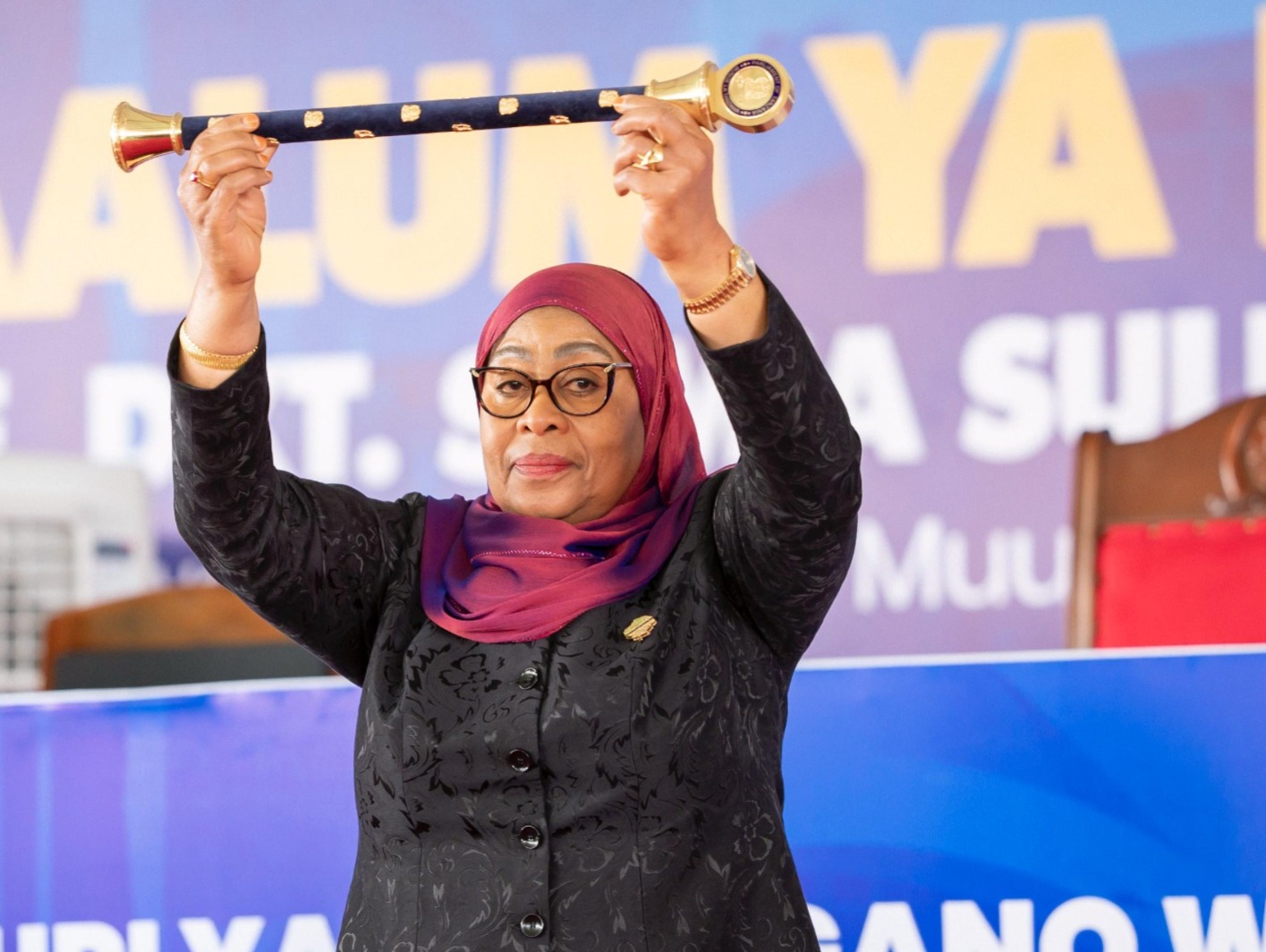
For Pretoria, the optics matter. The G20 chairmanship is a moment of continental visibility, and Ramaphosa is unwilling to perform a presidential handover to a non-ambassadorial official.
The dispute has now spilt onto public platforms, turning what is normally a subdued ceremonial transition into an unusually theatrical exchange of diplomatic barbs.
Top Stories Today
Reader Comments
Trending