Heavy rain and fast-moving floods in Morocco’s Safi kill 37 and damage neighbourhoods

Sudden floods in Morocco’s Atlantic port city of Safi killed 37 people, injured dozens and destroyed homes, as authorities warn of more severe weather and climate-related risks.
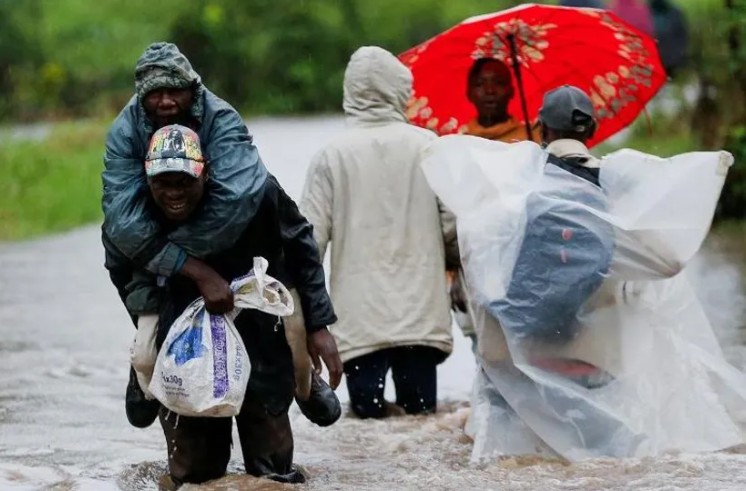
At least 37 people have died after sudden floods hit the coastal city of Safi in Morocco, following heavy rain on Sunday, local authorities have reported.
The downpour triggered fast-moving floodwaters that swept through the streets of the Atlantic port city, carrying away cars, rubbish and debris.
More To Read
- Gaza faces humanitarian disaster with thousands trapped in flooded camps
- Over 60,000 African penguins died as sardines disappeared from South Africa’s waters, study finds
- Morocco charges 2,480 in Gen-Z protests over poor governance, health and education
- Kenyan quartet selected to officiate at 2025 Africa Cup of Nations in Morocco
- Kenya deepens ties with Morocco, hold first joint cooperation commission
- Morocco: Gen Z protests turn violent, two killed
According to local officials, dozens of people were injured, with several admitted to the hospital for treatment. The floods also destroyed more than 70 homes and small businesses.
Additional reports indicate that several key roads leading into and out of Safi were severely damaged, cutting off traffic and making some areas inaccessible.
The Safi floods come just days after another deadly incident in Morocco, where the collapse of two buildings in the historic city of Fes killed over 20 people, raising renewed concerns about the country’s ability to cope with extreme weather—particularly in older cities where drainage systems and housing are vulnerable to sudden heavy rainfall.
Support displaced residents
Search and rescue teams were still working in the affected areas on Monday, as officials moved to secure damaged neighbourhoods and support displaced residents.
Morocco’s meteorological service has warned that severe weather is expected to continue, with further rain forecast and snow anticipated in the Atlas Mountains.
According to the World Bank, the extreme weather in Morocco reflects the growing impact of climate change in North Africa, where long dry spells are increasingly followed by intense, sudden rainfall.
In its latest Climate Risk Country Profile for Morocco, the World Bank identified increased weather events, rising temperatures, reduced overall rainfall, desertification, and sea level rise as the main physical risks posed by climate change.
"Precipitation has been decreasing and is projected to continue declining across the country, with marked changes beyond natural variability anticipated in all regions before 2050. Longer drought seasons and the expansion of desertification northward are expected," the report reads.
"At the same time, extreme precipitation events are likely to occur more frequently, increasing the risks of floods and landslides, especially when combined with overall drier conditions."
Top Stories Today