High Court orders full hearing in MCSK vs KECOBO royalty licence dispute
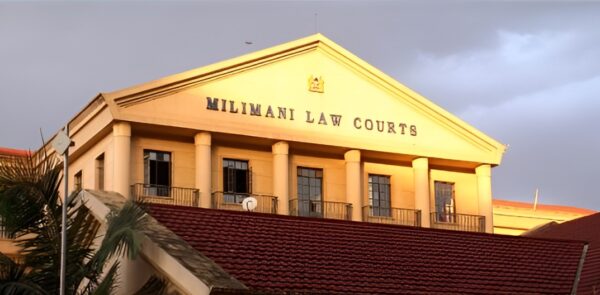
The High Court has declined to suspend a Copyright Tribunal ruling blocking MCSK from collecting royalties, instead setting a full inter partes hearing for July 21, 2026, in its dispute with KECOBO.
The High Court has ordered that a dispute involving the Music Copyright Society of Kenya (MCSK) be heard inter partes on July 21, 2026, after declining to suspend a decision by the Copyright Tribunal that barred the society from collecting and distributing royalties due to the absence of a valid operating licence.
In her ruling, Justice Linus Kassan refused to grant MCSK interim relief to stay the Tribunal's decision, marking a second setback for the collective management organisation. Instead, the court directed that the matter proceed to a full hearing.
More To Read
- Court declines to freeze MCSK royalty collections amid Sh56 million row
- Kenyan artists awarded Sh24 million in first-ever PAVRISK royalty payout
- Music, power and politics: Gachagua-Kindiki clash exposes battle for Mt Kenya’s cultural influence
- Power struggle rocks MCSK as rival factions clash over CEO Ezekiel Mutua’s ouster
- Artistes losing out as Kenya Copyright Board funding remains inadequate, ministry warns
- KECOBO warns against sharing pirated content on social media platform
MCSK had approached the High Court under a certificate of urgency on 10 December 2025, seeking orders to stay the Tribunal's ruling, which prohibited it from collecting and distributing royalties.
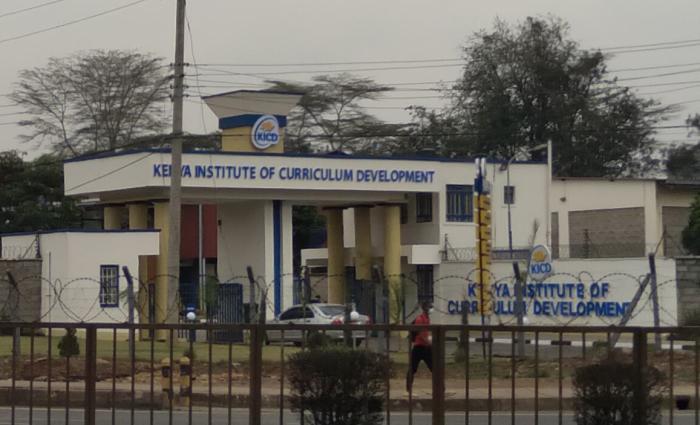
The society also sought to suspend a decision by the Kenya Copyright Board (KECOBO), dated October 14, 2025, which declined to renew its operating licence pending the determination of an appeal.
Injunctive orders
Additionally, MCSK requested that the court issue injunctive orders restraining KECOBO and the Performing and Audio-Visual Rights Society of Kenya (PAVRISK) from interfering with its operations relating to the collection and distribution of royalties and the administration of copyright on behalf of its members.
Through its lawyer Duncan O'Kubasu, MCSK argued that the Copyright Tribunal erred in law by finding that it had failed to meet the registration requirements under the Copyright Act.
The society contended that the Tribunal misinterpreted and misapplied the Copyright (Collective Management) Regulations, 2020, by imposing what it described as an overly rigid compliance threshold.
Discharged earlier interim orders
In its judgment dated November 25, 2025, the tribunal discharged earlier interim orders that had temporarily allowed MCSK to collect royalties. It held that the absence of a valid operating licence deprived the society of lawful authority to collect royalties or issue unified licences to users of music and audio-visual works.
The dispute arises from an appeal filed by MCSK on October 16, 2025, challenging KECOBO's refusal to renew its collection management organisation licence for the 2025–2026 period.
The tribunal cited recent High Court decisions by Justices Chacha Mwita and John Chigiti on collective management and tariff regulation, relying on Section 46A of the Copyright Act to lift the interim injunction previously shielding MCSK.
KECOBO, through lawyer Alex Nyabwengi, maintained that MCSK had been operating without a licence and that only duly approved CMOs are permitted to collect royalties under the law. The regulator also highlighted the absence of "approved and gazetted tariffs, following a July ruling by Justice Mwita that nullified existing tariffs for lack of public participation."
The case is further complicated by internal leadership disputes within MCSK, with two rival factions claiming control of the society's management.
Top Stories Today