Uhuru tells youth to stop waiting, step into leadership at IGAD conference

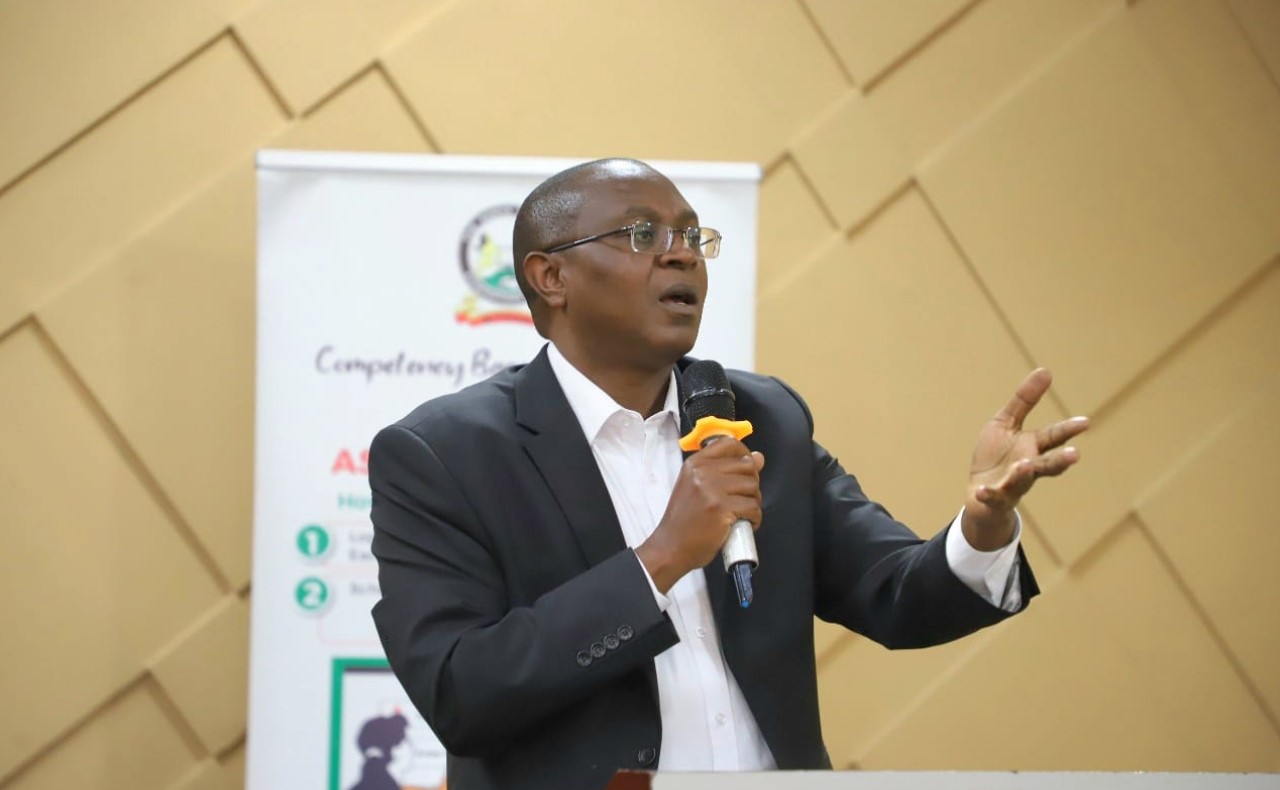
Former President Uhuru Kenyatta has called on young Africans to step into leadership roles immediately, urging them not to wait for the “leaders of tomorrow” and to act boldly in shaping the continent’s future.
He delivered the message on Tuesday at the Intergovernmental Authority on Development (IGAD) Leadership Academy (ILA) Annual Alumni Conference in Nairobi.
More To Read
- Climate funding falling short for East Africa’s vulnerable communities, IGAD warns
- Djibouti confirms Eritrea’s formal exit from IGAD regional bloc
- IGAD regrets Eritrea’s ‘premature’ withdrawal from regional bloc
- Ruto honours Kristina Kenyatta, Dorcas Oduor, William Kabogo with EGH awards
- Eritrea withdraws from IGAD for second time, citing ‘failure to meet aspirations of the region’
- Kenya urges stronger regional cooperation as transport corridors fuel disease risks across East Africa
The conference, themed 'Harnessing Youth Leadership to Drive Africa’s Growth,' brought together alumni of the IGAD Leadership Academy, members of the diplomatic corps and regional leaders, including IGAD Executive Secretary Dr Workneh Gebeyehu.
The ILA was approved by IGAD member states in 2022 and launched the same year to train and mentor young leaders across the region. It held its first training session in Mombasa in 2025 and has since equipped participants with leadership skills, mentorship and networks to drive regional transformation.
In his address, Uhuru reminded alumni of the powerful role young leaders have played in Kenya’s history, noting that the country’s founding fathers made significant impacts early in their lives.
“When the founding fathers were building this dream called Kenya, the late Tom Mboya was thirty-three when he became Minister of Justice. Some even called him "too young" at thirty-seven, imagine that,” Uhuru said.
“Our first cabinets across this region? They averaged in their forties. The liberation movements were led by people your age. It was young people who imagined nations that didn't exist at that time and then negotiated them into being.”
According to Uhuru, today's youth carry the same energy and vision to the table, challenging outdated systems, demanding accountability and refusing to accept poor governance.
“I think of you as Generation Zero-Tolerance. Zero patience for the excuses that have been made for decades. Zero appetite for the inertia that has become normalised. Zero willingness to smile politely while inheriting a mess. And honestly, some are terrified of you. Not because you're wrong, because you're right,” he said.
However, Uhuru cautioned that passion alone cannot drive change. While frustration among youth is natural, he stressed that effective leadership requires understanding the complexities of governance and accepting that, although systems are flawed, youth are in a unique position to improve them.
“This Academy didn't train you to wait for permission. The older generation used to say "vijana ni kesho", the time for the youth is tomorrow. But here's what leading taught me, tomorrow is a trap. It never arrives for those waiting to be invited,” he said.
On his part, Dr Gebeyehu echoed Uhuru’s sentiments, emphasising that investing in young leaders is critical for lasting peace and regional unity.
According to Gebeyehu, youth leaders should not wait for perfect conditions, but rather create opportunities even where others see obstacles, inspiring their peers and driving meaningful change in their communities.
“When you leave this room tonight, remember that you're not leaders-in-waiting. You are the leaders we need right now. The future doesn't begin when we hand you responsibility,” he said.
“The future accelerates when we work together, when your innovation joins hands with our experience, when your urgency meets our resources, when your vision rallies with our commitment to build a brighter future for our people.”
The conference also marked the official launch of the ILA Alumni Network and its national chapters, a platform designed to consolidate alumni efforts, promote peer learning, and foster collaboration in governance and development across the IGAD region.
Top Stories Today