Climate funding falling short for East Africa’s vulnerable communities, IGAD warns
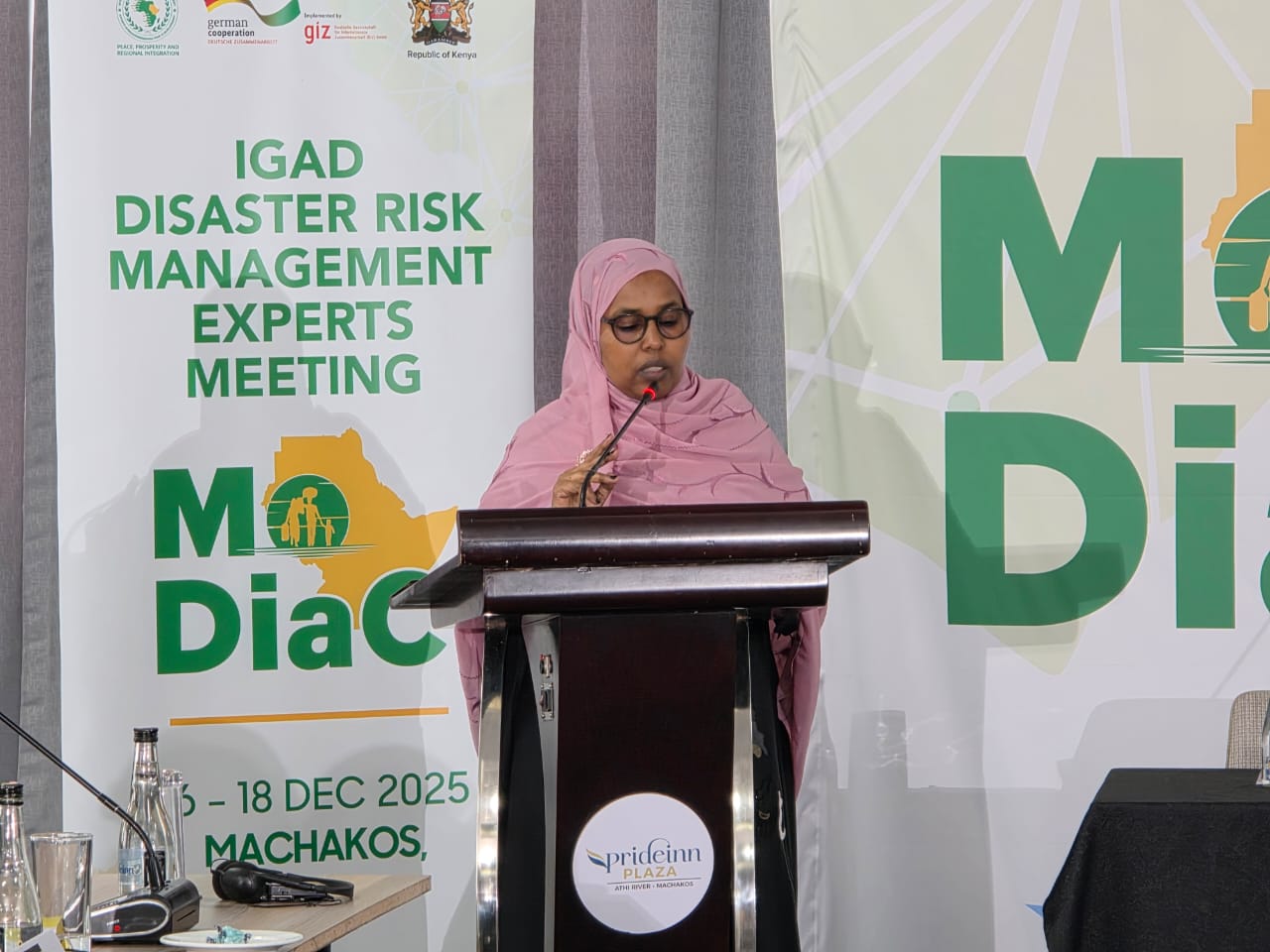
IGAD is working with member states on an anticipatory action roadmap, designed to ensure that early warnings for floods, droughts and other climate hazards trigger concrete measures that protect lives, livelihoods and property.
Despite billions pledged globally for climate action, only a small fraction reaches the communities most affected by droughts, floods and displacement in East Africa, the Intergovernmental Authority on Development (IGAD) has warned, calling for urgent investments in frontline interventions.
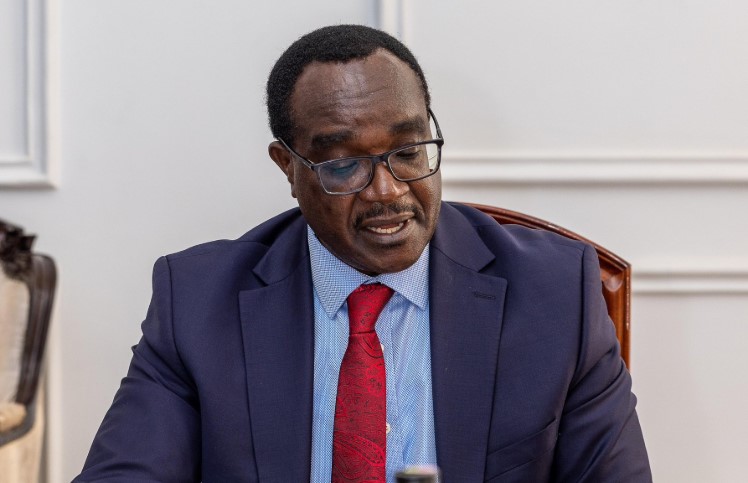
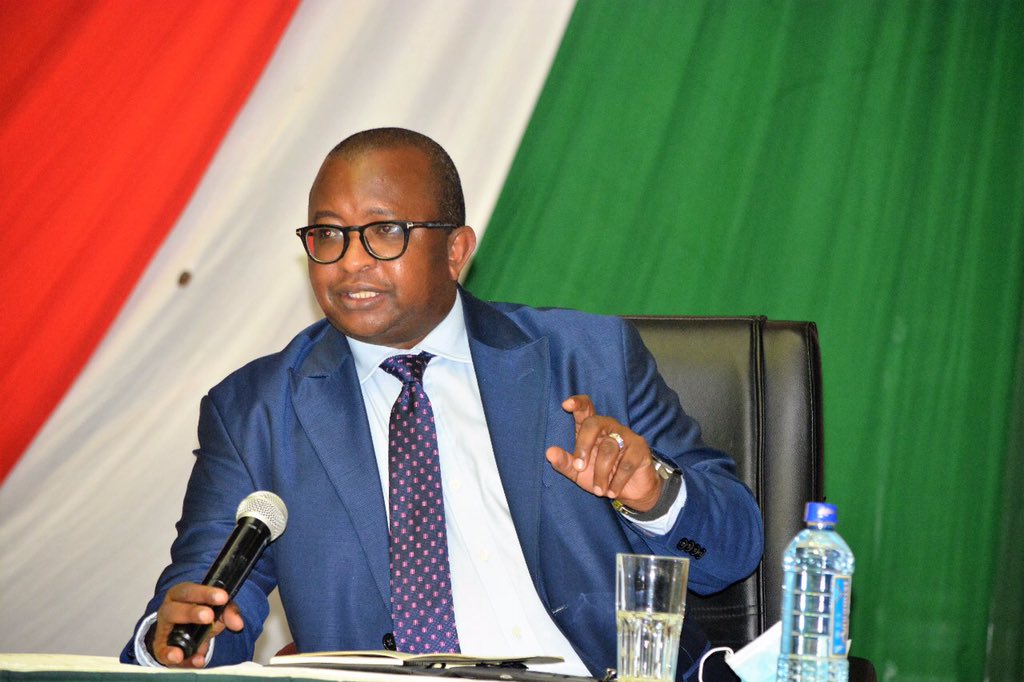
The warning was issued by Dr Ahmed Amdihun, Head of the Disaster Risk Management Unit at IGAD’s Climate Prediction and Applications Centre (ICPAC), during a regional workshop held in Machakos County under the IGAD Mobility in the Context of Disaster and Climate Change (MoDIaC) Project.
According to Ahmed, only about 10–15 per cent of climate funding reaches communities most affected by disasters. He also stressed that early warnings are only effective when promptly turned into practical, life-saving actions.
More To Read
- Millions of hectares are still being cut down every year. How can we protect global forests?
- COP30 delivers mixed results on climate action, WEF experts say
- Managing conflict between baboons and people: what’s worked - and what hasn’t
- Djibouti confirms Eritrea’s formal exit from IGAD regional bloc
- Kenya, Sweden partner to curb billions lost in post-harvest food waste
- IGAD regrets Eritrea’s ‘premature’ withdrawal from regional bloc
“I think the funding has never been enough. If I start globally, what has been invested in climate and climate action is very much less than what is coming to the communities,” he said.
“The rough estimates are actually 10-15 per cent of the climate fund is reaching the communities that really need it. Its time we translate the warnings that have been issued from our centres or from national main services into early action.”
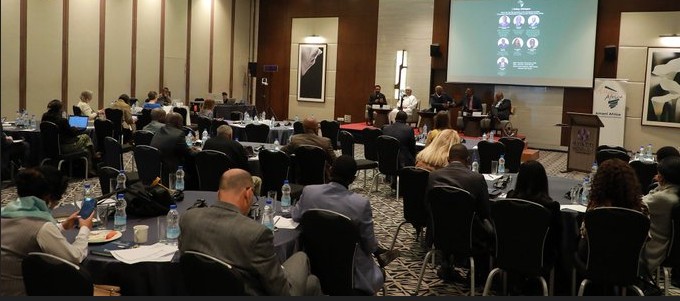
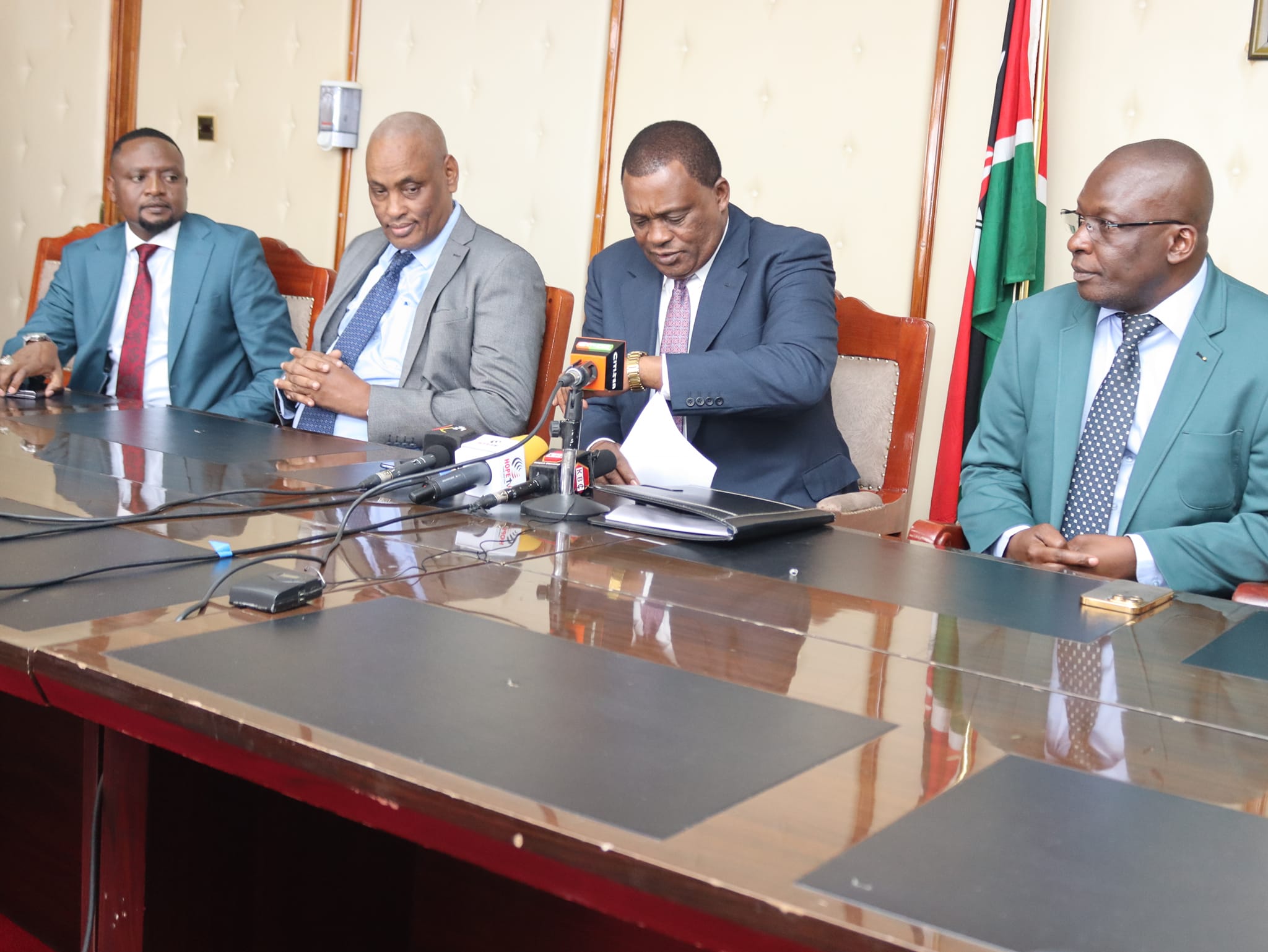
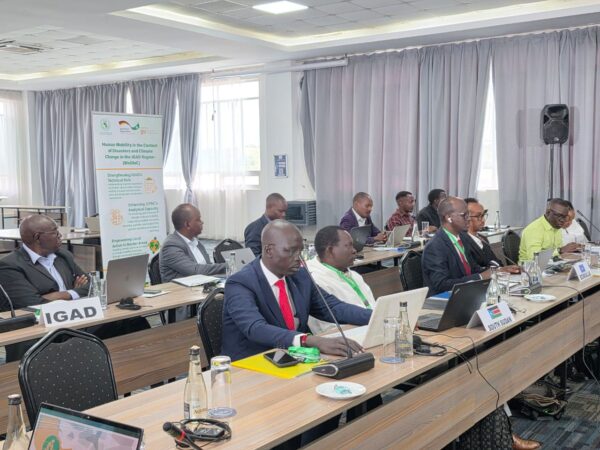 Participants during a regional workshop held in Machakos County under the IGAD Mobility in the Context of Disaster and Climate Change (MoDIaC) Project. (Photo: IGAD)
To address this gap, IGAD is working with member states on an anticipatory action roadmap, designed to ensure that early warnings for floods, droughts and other climate hazards trigger concrete measures that protect lives, livelihoods and property.
The roadmap also seeks to strengthen the skills and coordination of Disaster Risk Management (DRM) focal points, enabling governments and communities to respond quickly and effectively.
“What IGAD is doing at the moment is we are co-developing with member states what we call an anticipatory action roadmap to make sure that our early warnings are translated into early action,” he said.
The workshop also focused on the link between climate change and human mobility, helping member states prepare for displacement caused by environmental shocks. Participants included representatives from IGAD member countries, the IGAD Secretariat, ICPAC, and United Nations agencies.
IGAD officials likewise encouraged regional collaboration and knowledge-sharing, to allow DRM officials within the region to exchange best practices on preparedness, risk assessment and early warning systems.
“The IGAD Secretariat has designed this project to address these challenges in a way that looks at the institutional capacity of the secretariat as well as supporting members to build capacity as well as mobility-induced climate change into their national plans,” said Dr Victoria Anib, Head of Social Development, IGAD Secretariat.
“Climate is one of the reasons that makes people move across borders, and for them to have a safe and dignified way of moving, we need to support and provide necessary support.”
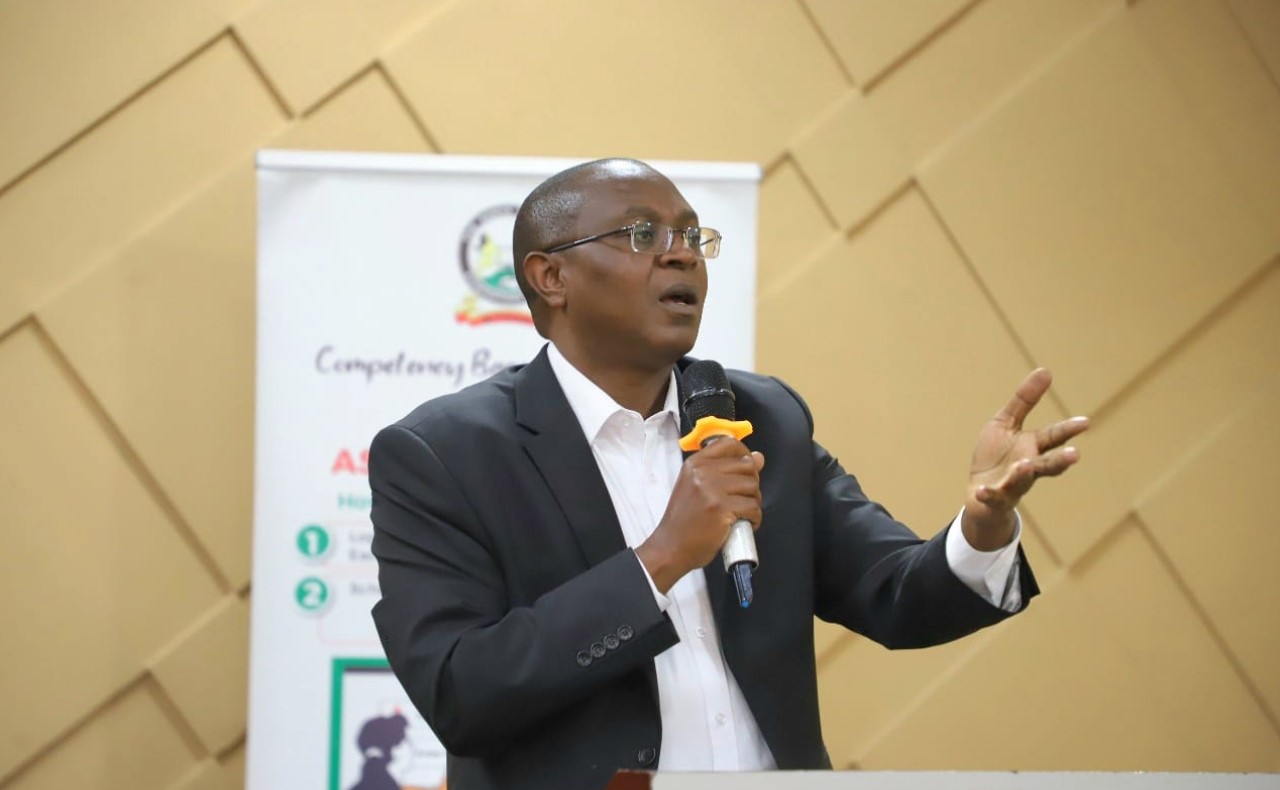
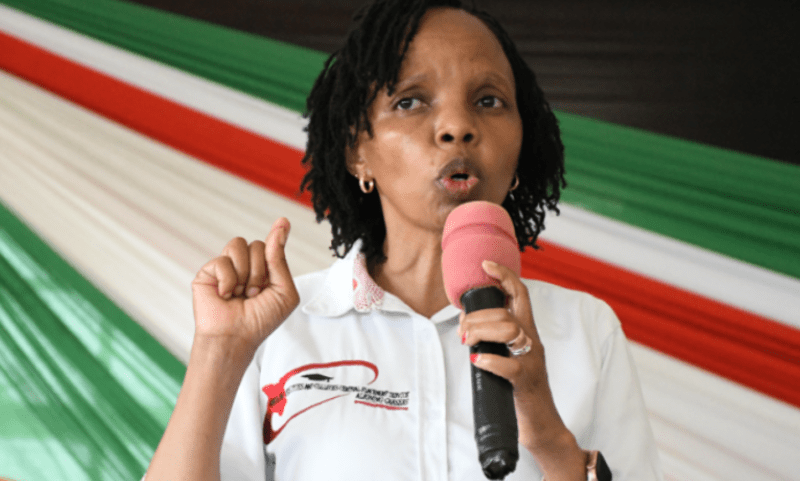
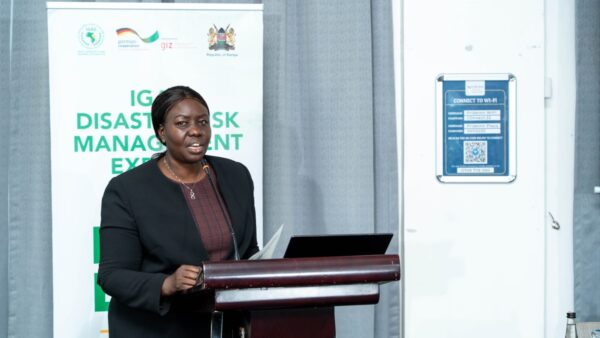 Dr Victoria Anib, Head of the Health and Social Development Division and Head of the IGAD Mission in South Sudan addresses participants during a regional MoDIaC workshop in Machakos County. (Photo: IGAD)
Top Stories Today