Government approves alternative funding for Naivasha-Kisumu SGR phase 2B
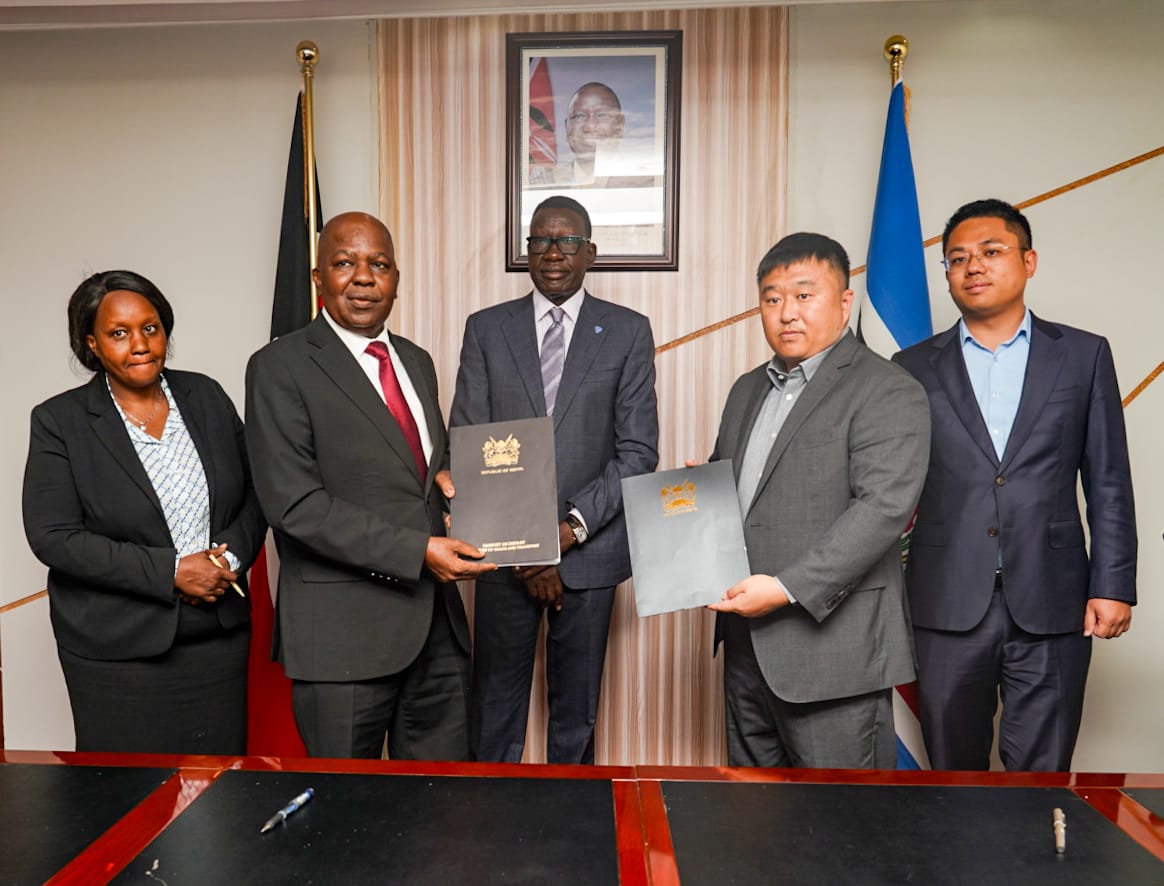
The revised agreement aligns with Cabinet approval to fund the Naivasha–Kisumu segment through alternative mechanisms, notably the securitisation of a portion of the Railway Development Fund.
The government has approved an alternative funding mechanism for the Naivasha–Kisumu SGR Phase 2B, paving the way for faster implementation of the long-delayed rail project linking Naivasha to Kisumu.
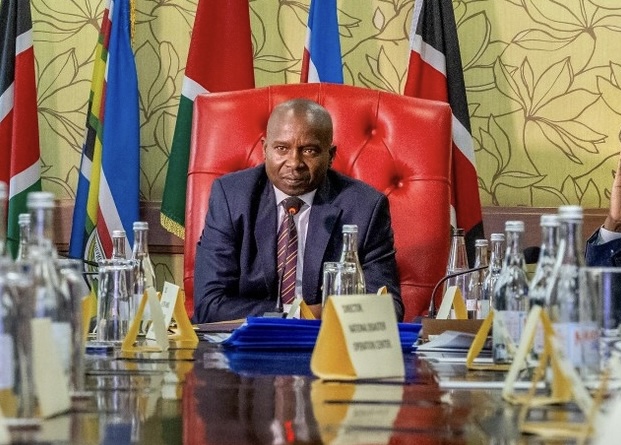
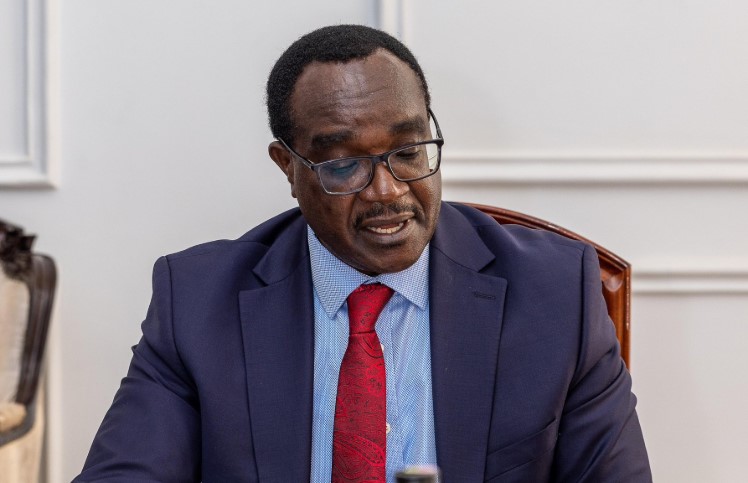
On Tuesday, Roads and Transport Cabinet Secretary Davis Chirchir witnessed the signing of an addendum to the commercial contract for the construction of the railway section. The addendum was executed by Kenya Railways Managing Director Philip Mainga and Yu Xiao Dong of China Communications Construction Company, marking a key step in operationalising the new financing structure for the project.
More To Read
- National Infrastructure Fund criticised as civic group questions Ruto’s Singapore vision
- Atwoli warns opposition to Sovereign Wealth Fund risks stalling Kenya’s economic transformation
- State unveils Sh5 trillion infrastructure plan, JKIA upgrade and new airport to start in January 2026
- Cabinet approves Sh5 trillion strategy to expand roads, energy, agriculture and trade
- Explainer: The National Infrastructure Fund and its role in Kenya’s future
- Ruto pushes ahead with Sh5 trillion National Infrastructure Fund amid oversight fears
According to the Ministry, the revised agreement aligns with Cabinet approval to fund the Naivasha–Kisumu segment through alternative mechanisms, notably the securitisation of a portion of the Railway Development Fund.
The approach is intended to unlock capital while easing pressure on the Exchequer.
Chirchir said the move demonstrates the government’s resolve to deliver priority transport infrastructure while maintaining fiscal discipline. He noted that the alternative financing model would support better sequencing of works, accelerate implementation timelines, and strengthen oversight arrangements, while improving risk-sharing between the public sector and private partners.
“The alternative financing model will support faster implementation, better project sequencing, and stronger oversight. It also improves risk-sharing between the public sector and private partners,” the Ministry said.
The alternative financing model is expected to improve project sequencing, accelerate implementation and enhance oversight, while strengthening risk-sharing arrangements between the public sector and private partners.
Once completed, the Naivasha–Kisumu SGR Phase 2B is expected to significantly enhance regional connectivity and reduce transportation and logistics costs along the Western Corridor, boosting trade and economic integration by linking Western Kenya more efficiently to the rest of the country.
Chirchir confirmed that the signing of the addendum by Kenya Railways and China Communications Construction Company reflects the government’s broader strategy to rely on alternative financing models for major infrastructure projects.
The signing comes a day after the Cabinet approved two major national funds as part of the government’s long-term development strategy. On December 15, 2025, the Cabinet endorsed the National Infrastructure Fund (NIF) and the Sovereign Wealth Fund (SWF) under a Sh5 trillion national development plan.
Under the plan, the National Infrastructure Fund will mobilise domestic resources, monetise mature public assets and attract private sector investment. Proceeds from privatisation will be ring-fenced and invested in infrastructure projects designed to generate long-term value.
The government estimates that each shilling invested through the fund could leverage up to ten shillings from long-term investors, including pension funds, private equity funds, sovereign partners and development finance institutions.
The Sovereign Wealth Fund will manage revenues from mineral and petroleum resources, dividends from public investments and a portion of privatisation proceeds. Its mandate will focus on inter-generational savings, cushioning the economy against external shocks and making strategic investments that deliver commercial returns.
Together, the NIF and SWF are expected to support Kenya’s wider transformation agenda. Planned investments include modern irrigation systems, expanded energy production, upgrading roads and highways, extending the SGR to Malaba, modernising ports and airports, and increasing energy generation by 10,000 megawatts over the next seven years through geothermal, hydro, solar, wind and nuclear power.
President William Ruto has defended the development strategy, describing it as realistic and necessary to drive economic growth. He said the government plans to construct 28,000 kilometres of roads by 2032, in addition to the 10,000 kilometres built under the previous administration.
Other Topics To Read
However, some Members of Parliament, including Kiharu MP Ndindi Nyoro, have raised concerns, calling for accountability over previously borrowed funds before new large-scale projects are launched.
They argue that Kenyans deserve clear explanations on how past infrastructure spending was utilised before additional commitments are made.
Top Stories Today