COP30 delivers mixed results on climate action, WEF experts say
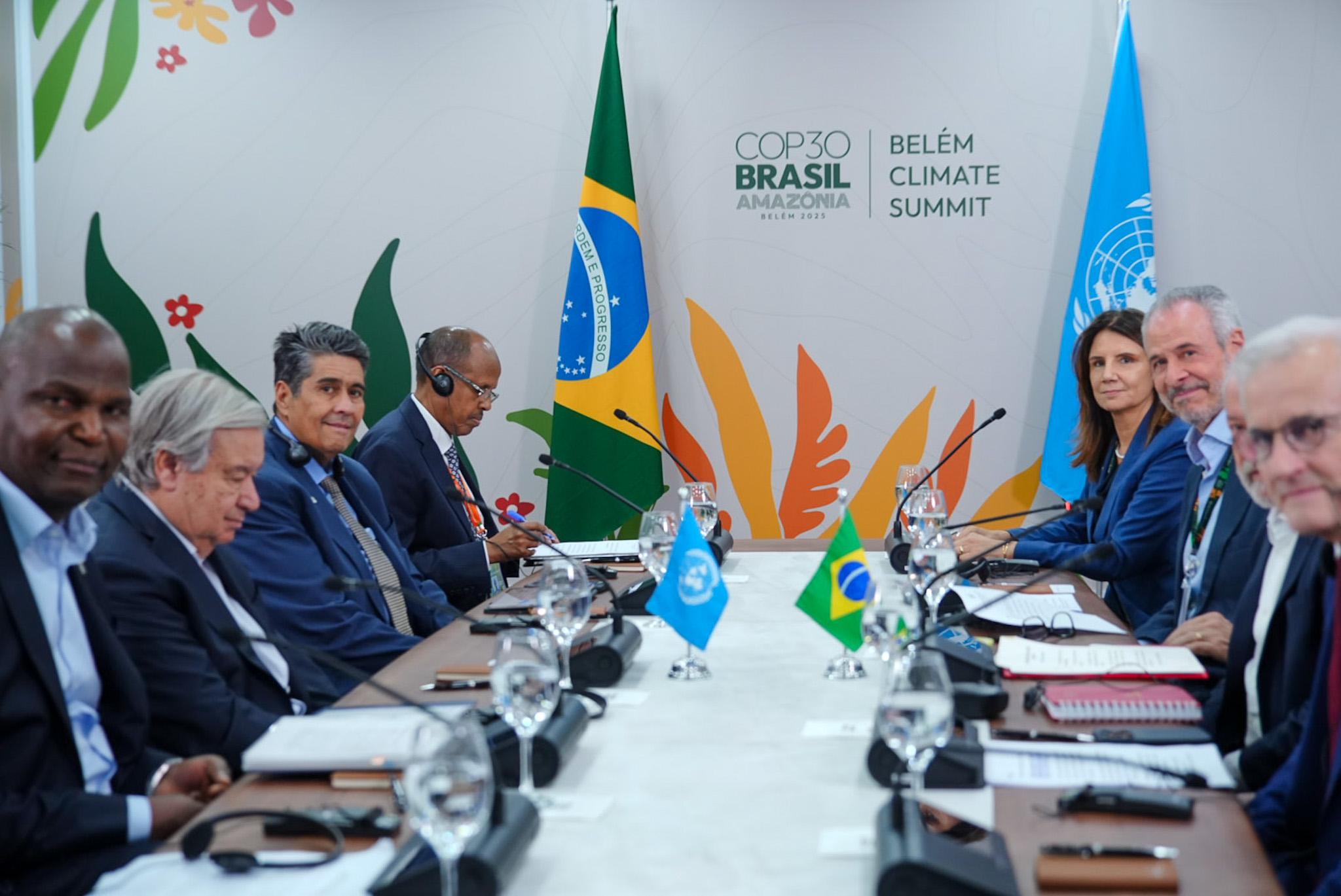
COP30 was intended to be an opportunity to significantly step up countries' ambitions by having parties present new and revised Nationally Determined Contributions (NDCs) for the next 10 years.
COP30 concluded with notable gains alongside significant shortcomings, according to experts from the World Economic Forum (WEF).
First, they reckon that the summit revealed slowed momentum in attaining and revising global climate commitments.
More To Read
- Managing conflict between baboons and people: what’s worked - and what hasn’t
- Kenya, Sweden partner to curb billions lost in post-harvest food waste
- UNEA-7 opens in Nairobi as global environmental diplomacy faces major challenges
- 2025 set for second-hottest year on record
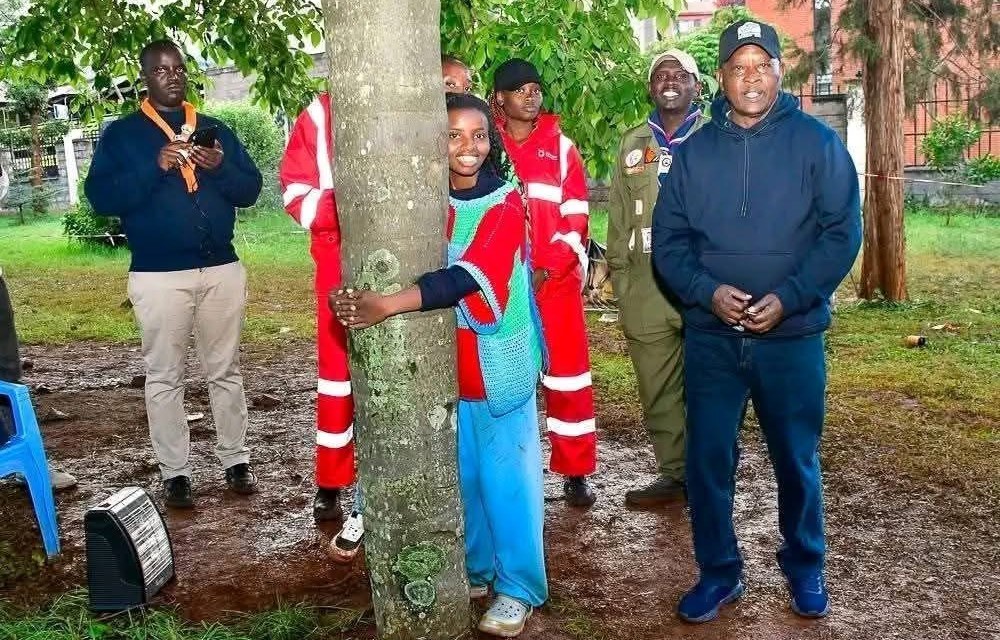
- Nyeri climate change activist Truphena Muthoni attempts 72-hour tree-hugging record
- UN’s Guterres vows to push for Palestine two-state solution, says he will ‘not shut up’
COP30 was intended to be an opportunity to significantly step up countries' ambitions by having parties present new and revised Nationally Determined Contributions (NDCs) for the next 10 years.
At the conclusion of the summit, only 121 countries out of a possible 195 submitted new NDCs, with 76 still missing targets, representing over a quarter (26 per cent) of global emissions.
For the first time, parties also acknowledged the likelihood of overshooting 1.5 °C this century.
Additionally, they reckon that negotiations at the summit fell short on key issues, including roadmaps to phase out fossil fuels and commitments to halt deforestation.
While over 80 countries backed a roadmap to phase out fossil fuels, the final outcome made no reference to fossil fuels, and no binding agreements were reached.
In response, Colombia and the Netherlands announced they will co-host the first international conference on the just transition away from fossil fuels in 2026, offering voluntary pathways for nations.
Brazil also announced a voluntary roadmap on deforestation to be presented at COP31 in Turkey.
Nevertheless, the experts say the summit made little advancement in operationalising a transparent, high-integrity global carbon market.
Despite these gaps, COP30 recorded some notable achievements.
Adaptation finance will be tripled, raising the target to $120 billion (Sh15.4 trillion) per year, though the sum remains below developing countries’ needs.
A set of 59 adaptation indicators was adopted, albeit with compromises that may hinder their implementation.
The summit also advanced a just transition mechanism through the Belém Action Mechanism (BAM), providing technical assistance, capacity-building, and knowledge sharing, with unprecedented references to labour, human, and environmental rights.
In parallel, international trade entered formal negotiations for the first time, including carbon trade measures such as the EU’s Carbon Border Adjustment Mechanism (CBAM), signalling the increasing importance of trade in climate action.
“The Climate Action Agenda is not a nice-to-have on the side. It is mission-critical and a key part of the Paris Agreement,” reads the communique from WEF.
Top Stories Today