UNEA-7 opens in Nairobi as global environmental diplomacy faces major challenges
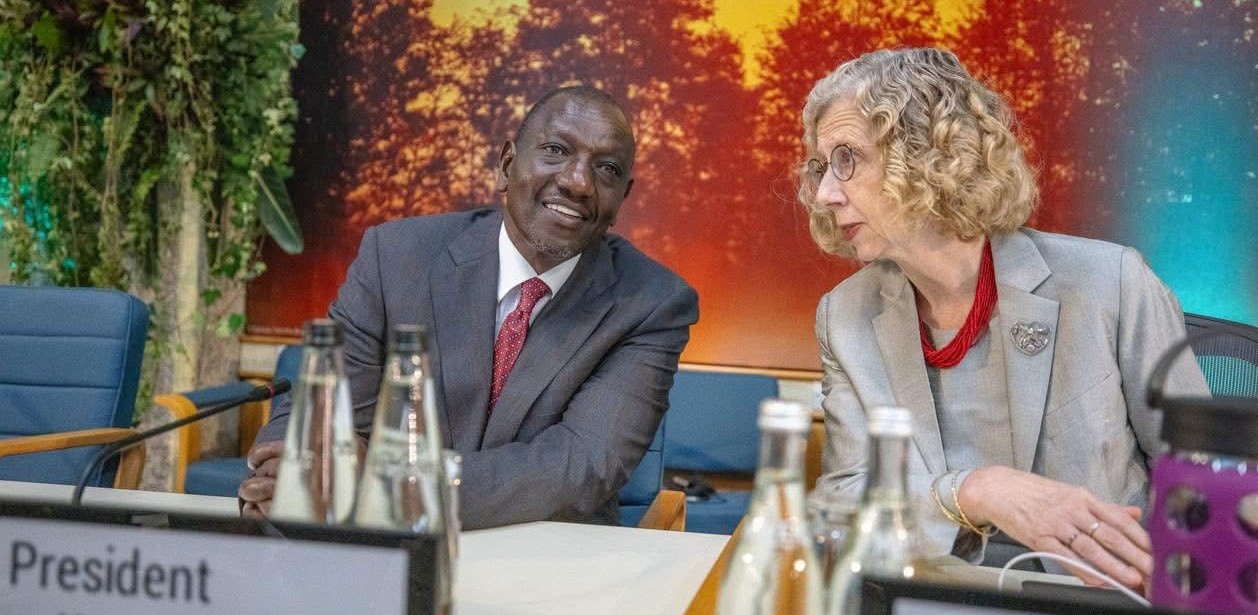
The seventh UN Environment Assembly opened in Nairobi as emissions rise, plastic treaty talks stall and geopolitical rifts test global cooperation on climate, biodiversity and pollution.
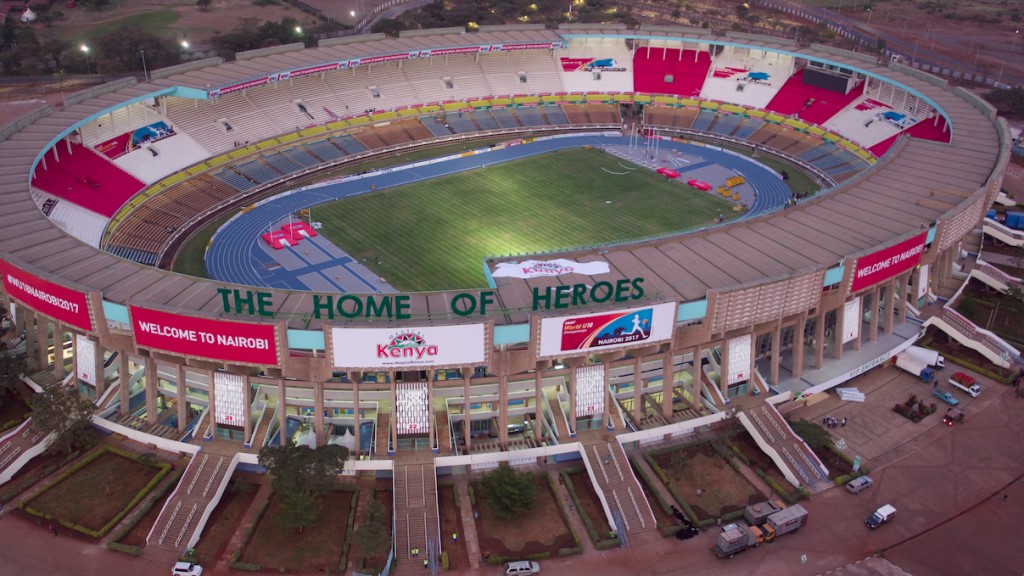
The seventh session of the United Nations Environment Assembly (UNEA-7) opened in Nairobi on Monday, following a week of negotiations by the Open-ended Committee of Permanent Representatives.
The biennial gathering, held at the UN Environment Programme’s headquarters, is the world’s highest decision-making forum on environmental policy — though this year it convenes under the shadow of geopolitical fragmentation.
More To Read
- 2025 set for second-hottest year on record
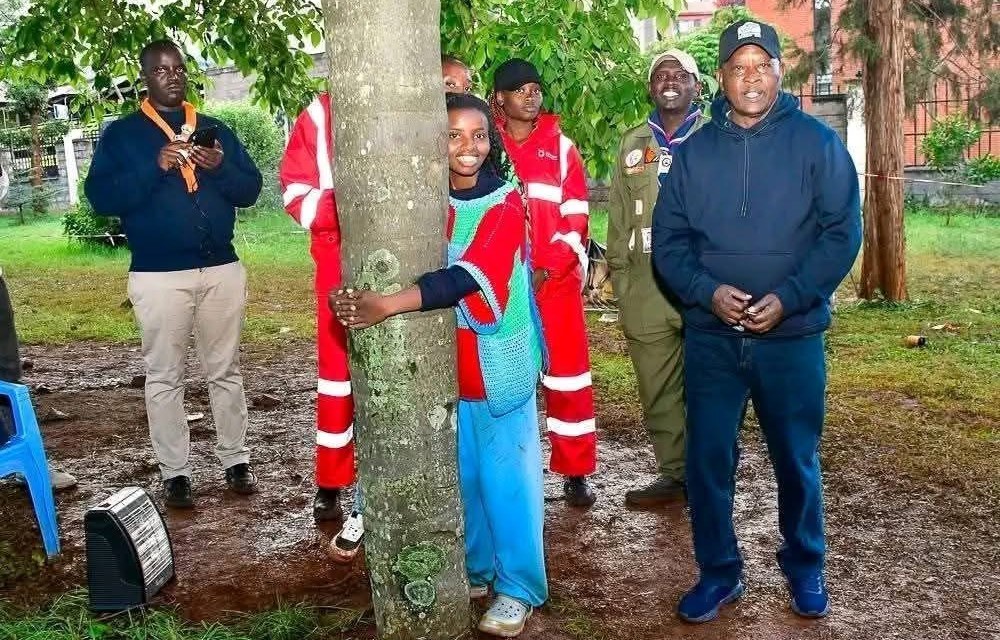
- Nyeri climate change activist Truphena Muthoni attempts 72-hour tree-hugging record
- UN’s Guterres vows to push for Palestine two-state solution, says he will ‘not shut up’
- Green economy now second-fastest global growth frontier, value hits Sh646.4 trillion - report
- Supporting Africa’s drylands: Insights from the pastoralists who call them home
- What’s at stake in the COP30 negotiations?
Meeting under the theme "Advancing sustainable solutions for a resilient planet", delegates are striving to advance action on climate change, biodiversity loss, and pollution at a time when wars, protectionist policies, and diplomatic rifts are eroding multilateral cooperation.
Global emissions continue to rise, biodiversity targets remain out of reach, and negotiations on a treaty to curb plastic pollution have stalled.
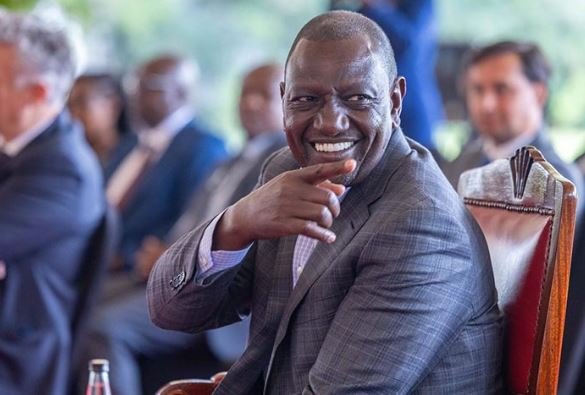
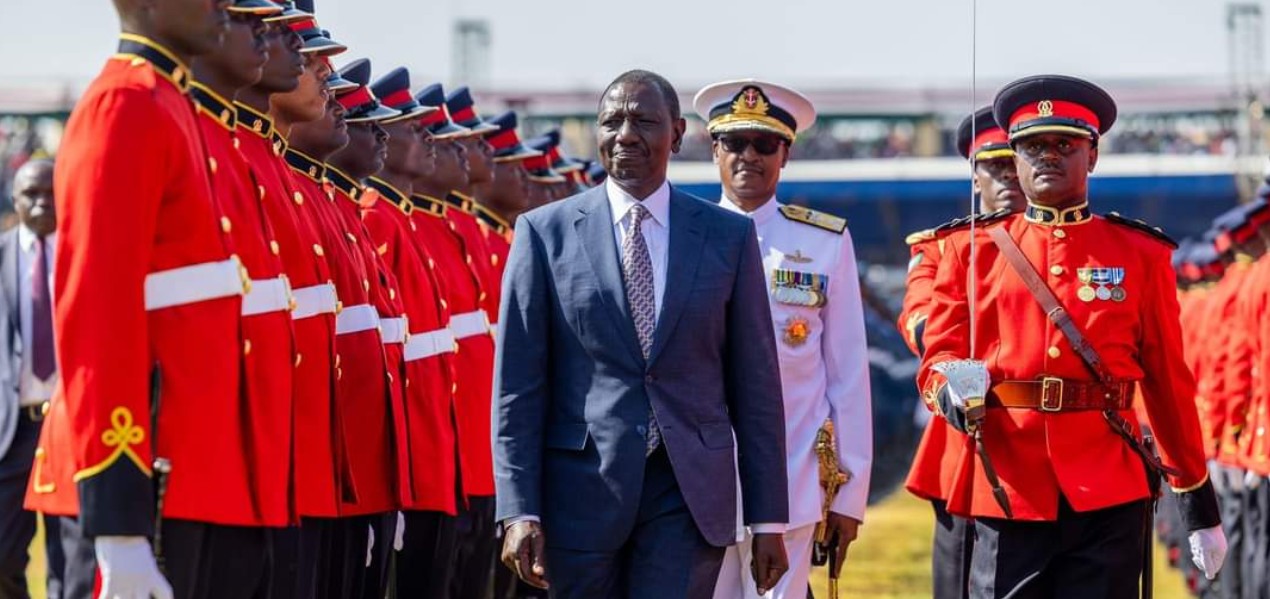
Kenya’s President William Ruto, in his opening address on Thursday during the high-level session, urged UNEA to turn the "irreversible signal" emerging from global climate diplomacy — including the momentum expected towards COP30 — into concrete action.
Define the environmental guardrails
The Assembly, he said, must define the "environmental guardrails" for an era shaped by artificial intelligence, digitalisation, and electrification.
Without such guardrails, he warned, the world risks building a high-tech economy "on the old foundations of extraction, exclusion, and pollution."
Africa, he added, was not approaching these debates as a victim but as a "co-architect of global action," highlighting the continent’s growing leadership in shaping climate solutions.
The session is chaired by Oman's Dr Abdullah bin Ali Al Amri, who said Oman had spent its presidency engaging widely to ensure that UNEA-7’s outcomes were both inclusive and ambitious.
Environmental stability, he argued, remains the bedrock of peace, prosperity, and social cohesion — and safeguarding nature is "protecting security and opportunities for growth."
Whether UNEA-7 can overcome the wider diplomatic tensions hampering global environmental governance remains uncertain.
What is clear, however, is that the planetary crisis is accelerating faster than the international system’s ability to respond.
Top Stories Today