PS Bitok clarifies CBC grading system after concerns over KJSEA results
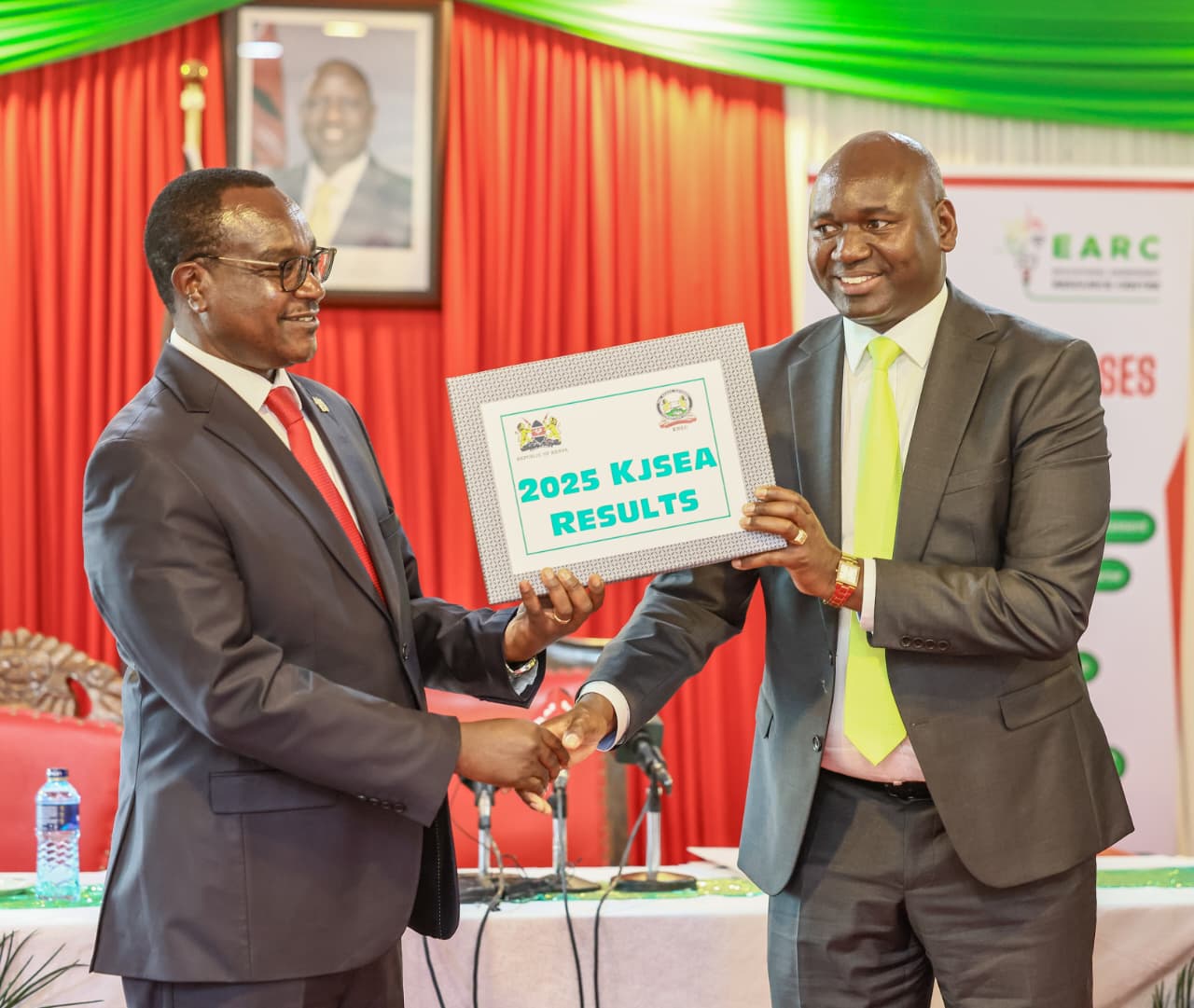
Bitok’s remarks come amid concerns from parents who are still adjusting to the CBC system, which focuses on holistic learner development rather than just exam performance.
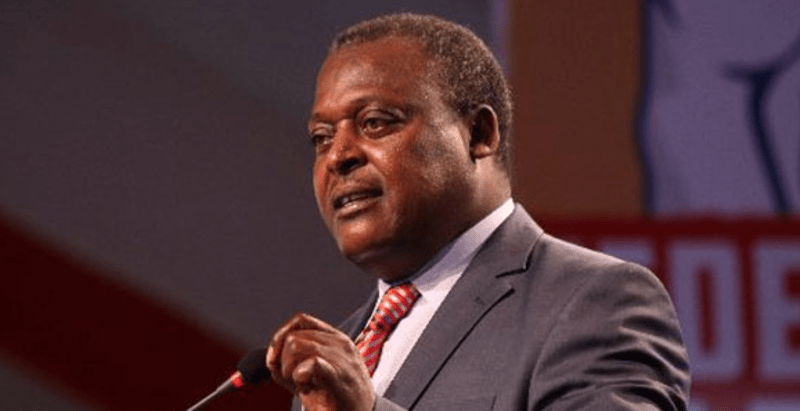
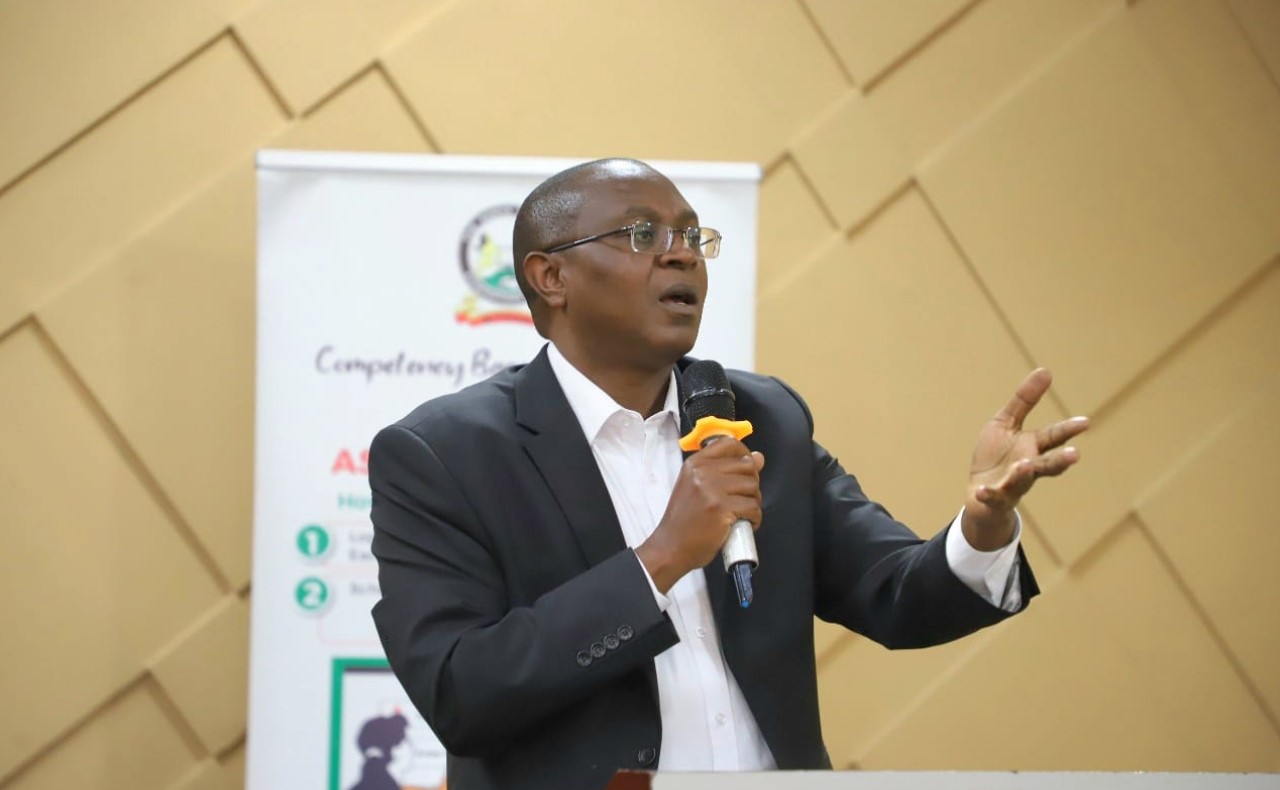
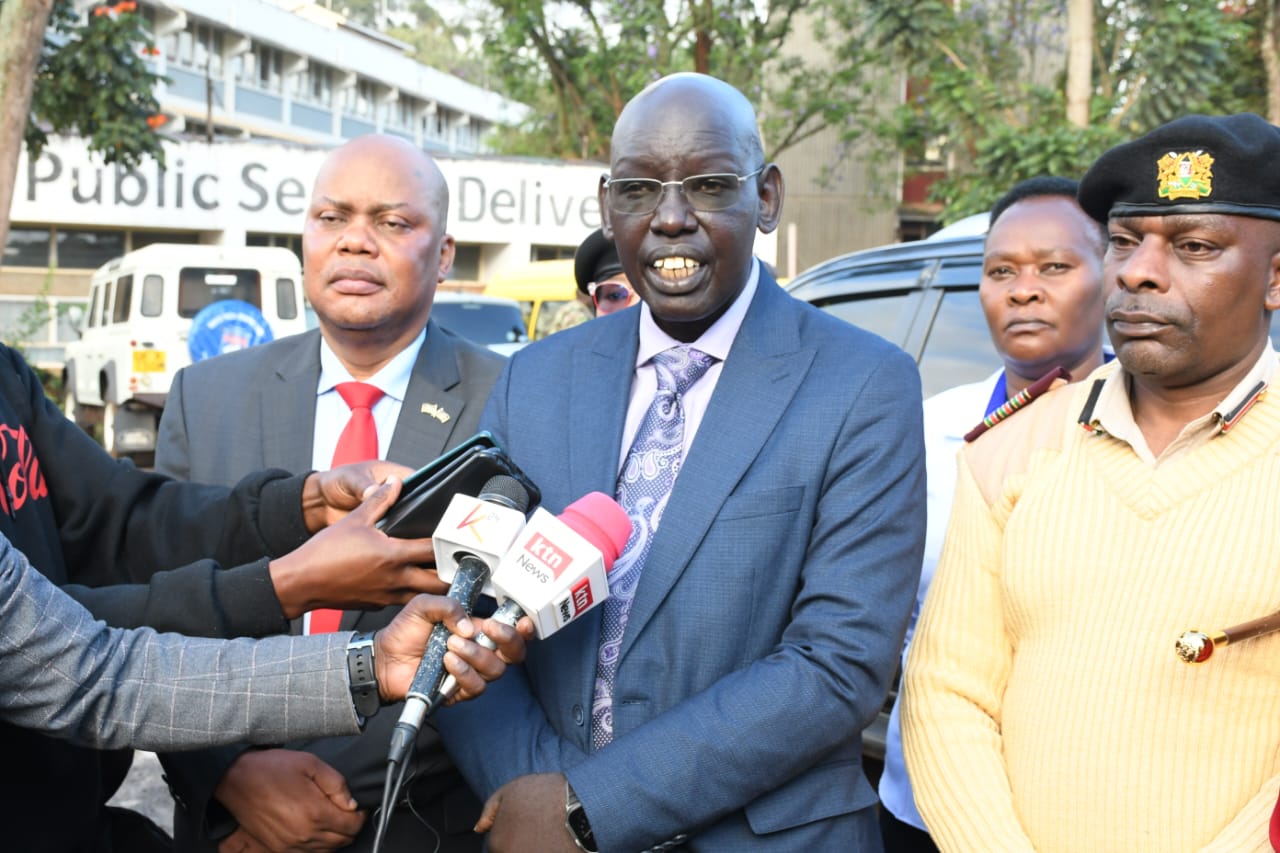
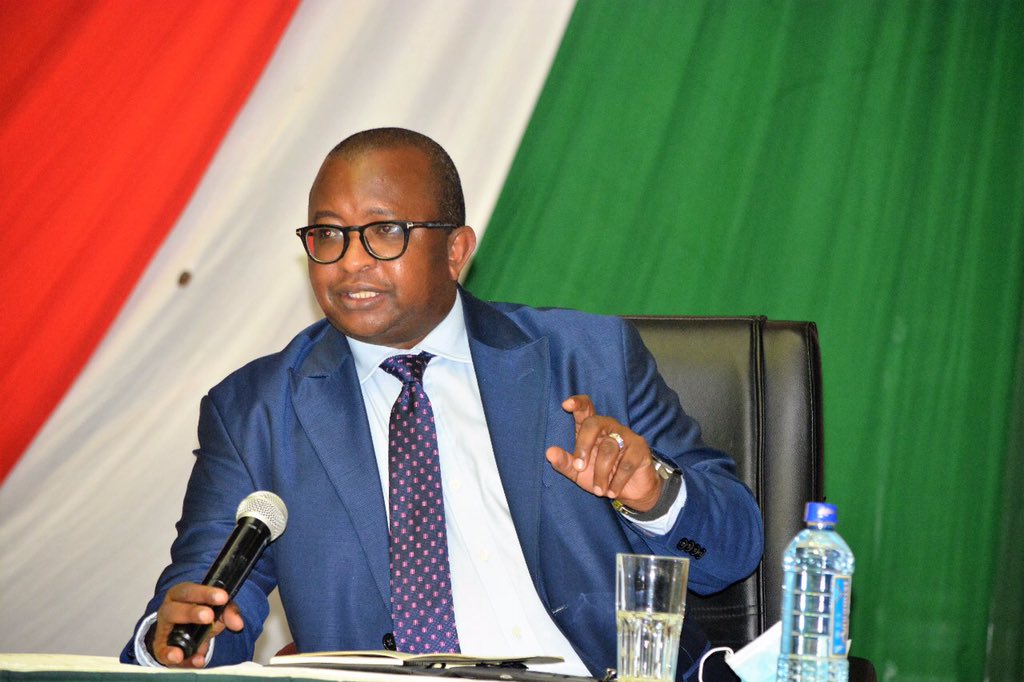
Principal Secretary for Basic Education Julius Bitok has called on teachers to actively guide parents and learners in understanding the Kenya Junior Secondary School Assessment (KJSEA) results, emphasising that the Competency-Based Curriculum (CBC) grading system differs significantly from the traditional Kenya Certificate of Primary Education (KCPE) marks.
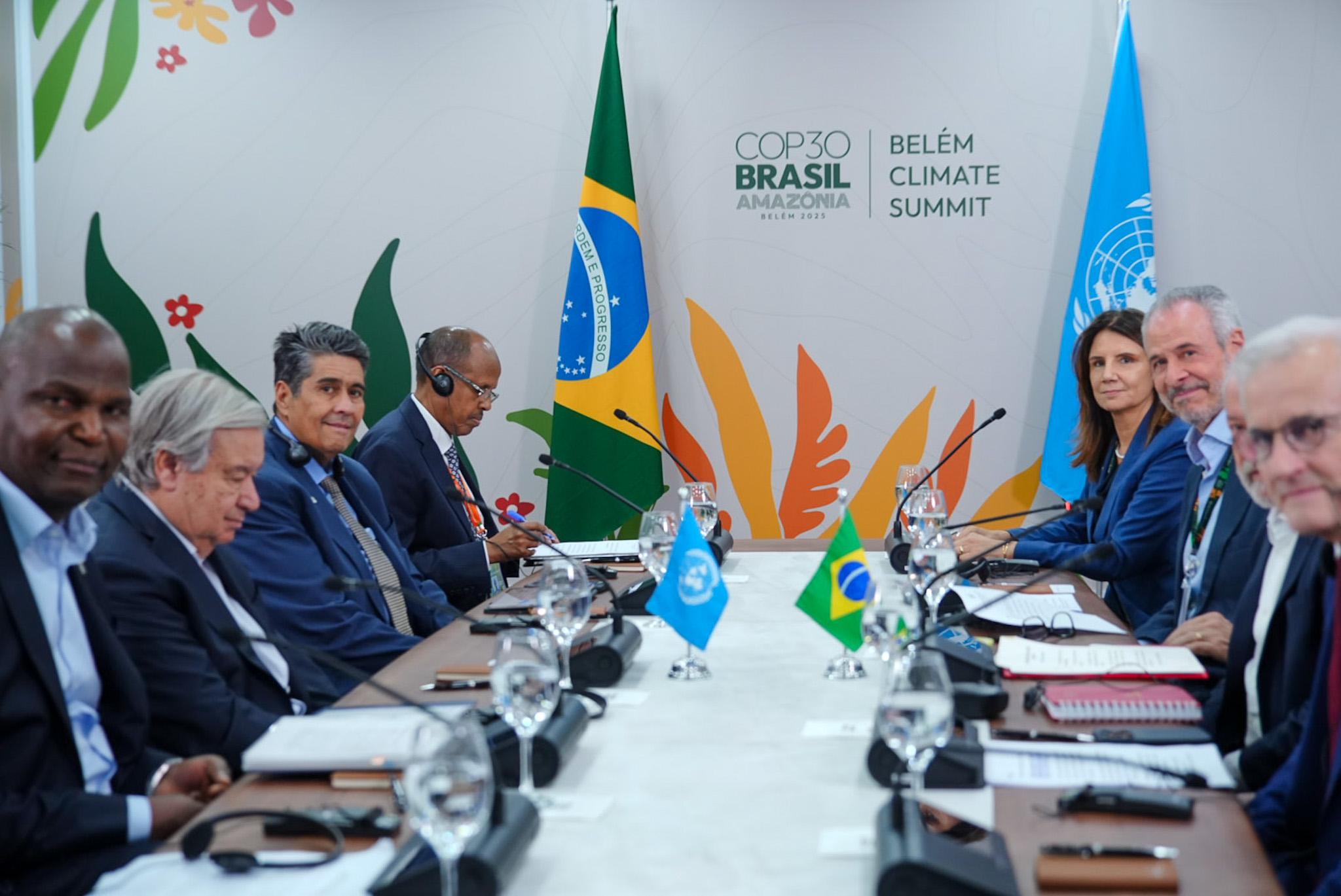
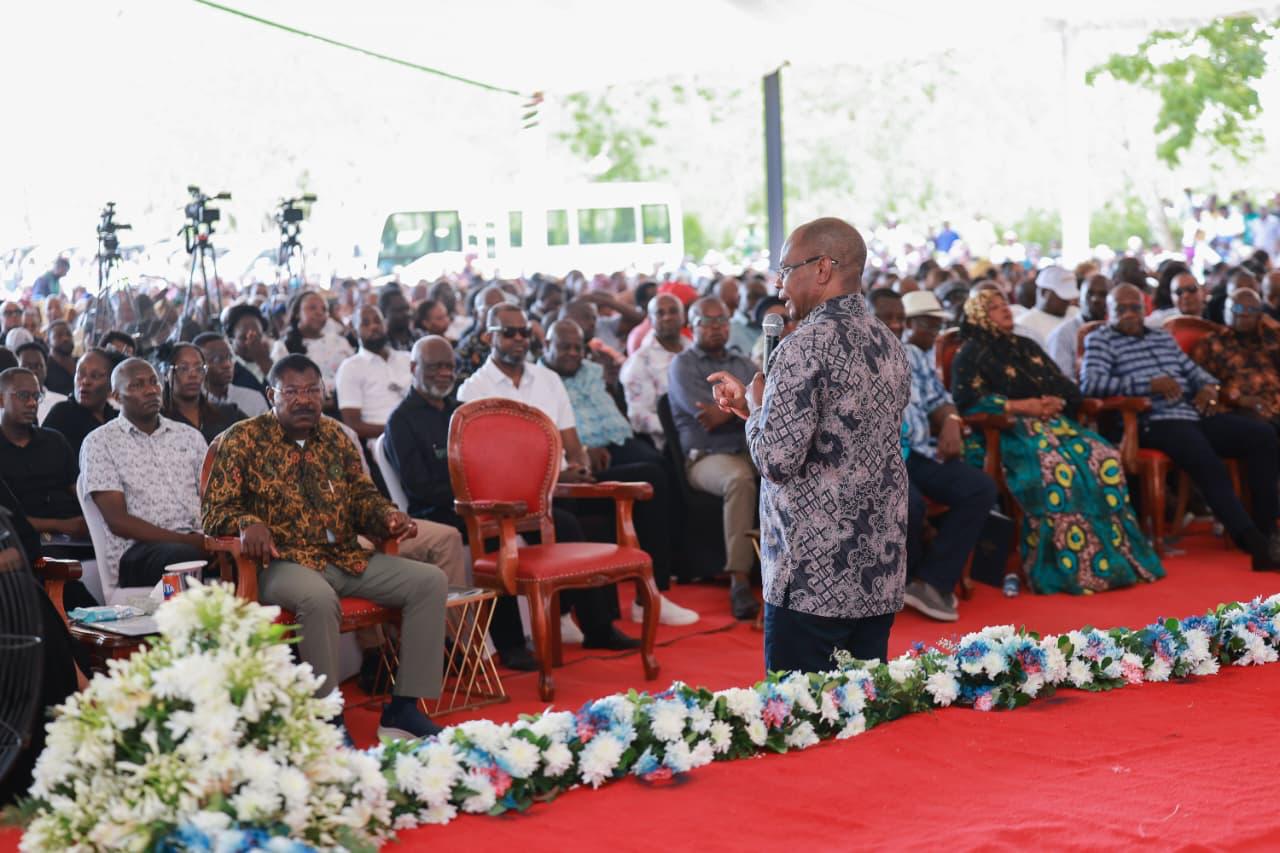
Speaking on Saturday in Mt. Elgon, Bitok clarified that under CBC, learners are assessed using four main qualitative grades: Exceeding Expectation (EE), Meeting Expectation (ME), Approaching Expectation (AE), and Below Expectation (BE). Each grade is further divided into two sub-levels – EE1, EE2, ME1, ME2, AE1, AE2, BE1, and BE2 – with points ranging from 8 to 1.
More To Read
- KJSEA 2025 results: Mathematics, Kenyan sign language record lowest performance among learners
- KJSEA 2025 results: Girls outshine boys in majority of subjects as over 1.1 million complete first CBC assessment
- TSC faces Sh5 billion shortfall as teacher promotions stall
- How Grade 10 learners will be placed in senior schools using eight-point assessment system
- How to check school your child has been placed in before release of KJSEA results
- TSC extends junior school internship contracts by another year despite growing unrest
“We have heard some parents complaining that why is it that their children have scored EE. The EE we are talking about here is not like the ‘E’ of KCPE; EE here means Exceeding Expectation, actually is the best,” said Bitok.
He emphasised that CBC is not merely about exams or assessments but about evaluating the child’s competencies and abilities in different areas of learning.
“Remember, Competency-based Education is not about the exam or assessment, it is about the competency of the child, it is about what the child can do best or what he/she knows,” he added.
Bitok also highlighted the three major learning pathways – STEM, social sciences, and arts and sports – and urged parents to focus on the clusters to understand which areas their children excel in.
“These clusters are a guideline to help your child to understand which pathway a child is going to pursue. The government is expecting a 100 per cent transition,” he said.
Regarding the transition to senior schools, Bitok assured that all KJSEA learners would know their school placements by December 20. Parents and students will have the opportunity to digitally revise placements if they are dissatisfied with the assigned schools.
“By December 20, all KJSEA learners should have known the senior school they would have been placed in,” he said.
The Ps also confirmed that senior schools are fully prepared to receive learners, with laboratories equipped and teachers retooled for the new curriculum.
“We are anticipating that by January 12, 2026, all the senior school students will report to school, our schools are ready, the labs have been prepared, we have a capacity of 1.5 million spaces against 1.13 million,” he affirmed.
Bitok’s remarks come amid concerns from parents who are still adjusting to the CBC system, which focuses on holistic learner development rather than just exam performance.
Top Stories Today