Kenya Power faces critical staff shortages as over 2,700 employees to retire by 2026
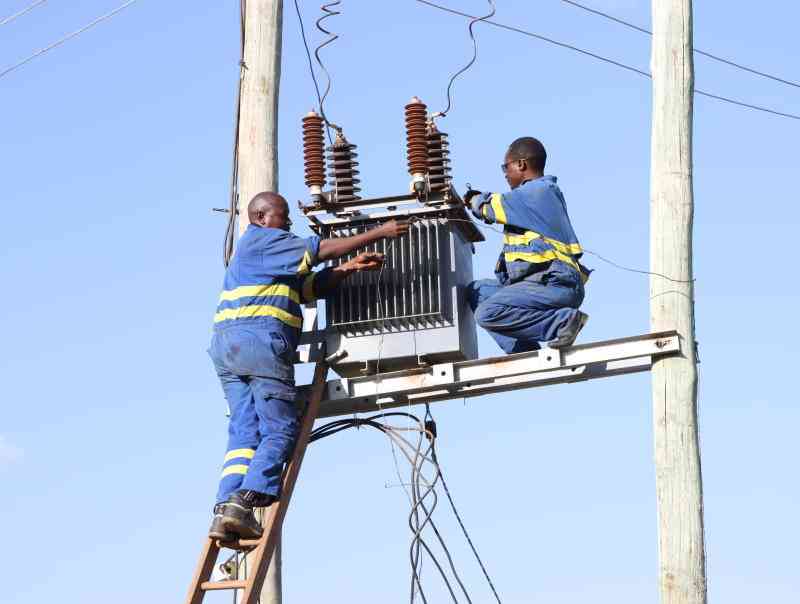
The utility says it expects nearly 500 more staff to leave by 2026, threatening its ability to maintain timely electricity services for over 10 million customers.
Over 2,000 Kenya Power employees have retired since 2020, creating urgent staffing gaps as the company struggles to keep up with a growing customer base.
The utility says it expects nearly 500 more staff to leave by 2026, threatening its ability to maintain timely electricity services for over 10 million customers.
More To Read
- Construction of Kenya’s first PPP-funded transmission lines set for August 2026
- Kenya sets ambitious energy expansion with new national policies and transport financing
- Consumers to get more units for less as electricity tariffs decline
- Auditor General flags Kenya Power for missing 30 per cent tender quota for youth, women, and PWDs
- Kenya’s electricity demand hits all-time high of 2,439 MW, straining power generation capacity
- State agencies, counties owe Kenya Power Sh4.67 billion in unpaid bills - Auditor General
Some 2,234 employees have exited Kenya Power over the past five years, the company disclosed in its latest annual report, with a further 488 expected to retire by June 2026. This will bring total retirements over the six years to 2,722, putting pressure on staffing and service delivery.
To address the shortfall, Kenya Power said it has adopted phased recruitment, particularly in technical departments, to improve response to its over 10 million customers.
“Over the last five years, 2,234 staff have exited the company due to natural attrition, with a projected 488 retirements over the next two years,” the company said.
Hamper operations
Kenya Power previously warned that staffing deficits could hamper operations. Last year, it hired 846 employees to fill gaps in key customer-facing functions, addressing a staffing shortfall of 2,981 workers. In the year ended June 2025, the company recruited 490 staff, bringing its workforce to 10,582.
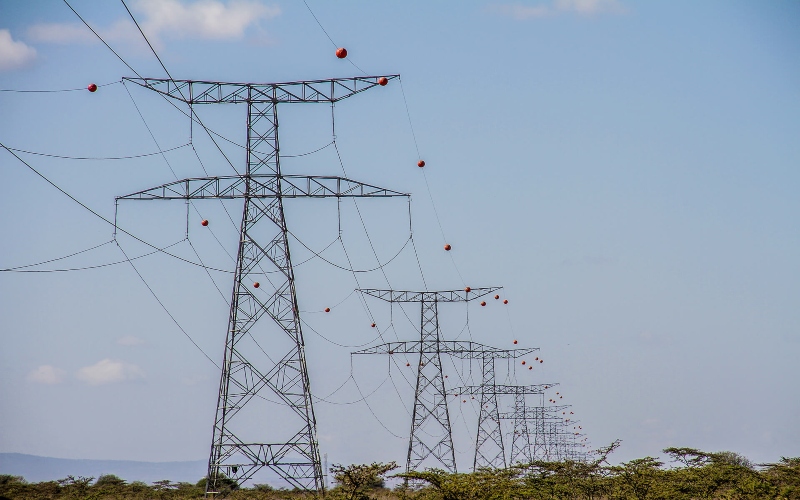
The increased recruitment has pushed salaries and allowances for permanent staff up by 8.7 per cent to Sh19.29 billion. Eighty-five per cent of employees, about 8,994 staff, work in technical roles managing the national grid, which spans 328,000 kilometres.
Kenya Power froze hiring for six years due to high costs, mainly electricity purchases and tax pressures, but resumed recruitment in the year ended June 2023 with the addition of 363 employees.
“For this reason (high retirement rate), the company is implementing a three-year manpower development plan that will address staffing gaps and succession planning while prioritising critical skills,” Kenya Power said.
The employee-to-customer ratio has widened sharply, reflecting the growth in electricity connections. In the year ended June 2025, there was one employee for every 951 customers, compared to one per 439 customers nine years ago. Customer numbers have surged to 10.06 million as of June 2025, up from 6.18 million in 2016, boosting electricity sales and revenues.
Per-unit electricity margin
Kenya Power’s per-unit electricity margin, the difference between the cost of purchasing power and the price charged to consumers, rose nearly fivefold to Sh5.10 in the year ended June 2024 from Sh1.05 in 2023 and Sh0.42 in 2022, contributing to a record net profit of Sh30.08 billion in 2024. The margin eased slightly to Sh3.58 per unit in the year ended June 2025, with net profit at Sh24.47 billion.
The average revenue per unit sold was Sh20.41 in 2025, compared with Sh16.83 per unit paid to producers. The increase followed a 2023 tariff revision, which raised the base charge for lifeline consumers using up to 30 units a month to Sh12.22 from Sh10 and increased charges for middle-class and small business consumers.
“The base electricity per unit price to consumers is reduced in tandem with the approved tariff yield reduction path,” Kenya Power noted.
Tariffs peaked in 2025 before beginning to decrease.
Despite tariff adjustments, electricity prices remain a concern for households and businesses. The utility saw a reduction in sales to Sh219.28 billion in the year ended June 2025 from Sh231.12 billion in the previous year, largely due to lower tariffs. Kenya Power, however, saved Sh5.94 billion in power purchase costs over the same period.
Parliament and the Ministry of Energy have pushed measures to curb rising power costs, including freezing power purchase agreements and auditing deals between Kenya Power and thermal power plants. Efforts to negotiate lower prices with producers failed, limiting the potential for immediate relief on consumer bills.
Top Stories Today