NSSF contributions rise to Sh6,480 a month for top earners from February
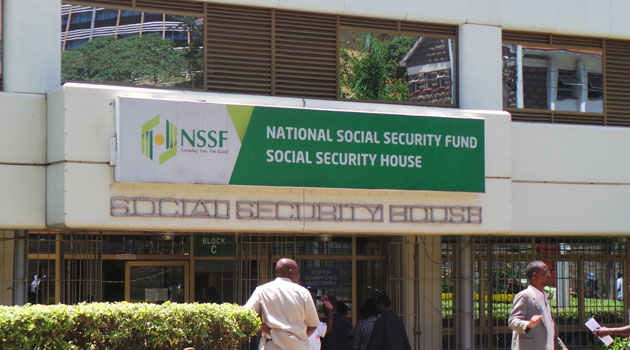
The fund continues to expand, now holding Sh558 billion in assets as of June, up from Sh476 billion at the end of last year and Sh295.6 billion in December 2022.
Starting February next year, many Kenyan workers will face larger deductions to the National Social Security Fund (NSSF), reducing their net salaries and affecting their daily spending power.
Employees earning above Sh100,000 will now contribute Sh6,480 per month, up from Sh4,320, while those with earnings below Sh50,000 will not see any change.
More To Read
- Ruto says NSSF contributions double in two years, could hit Sh1 trillion by 2027
- ICEA survey finds most Kenyan retirees struggle to survive on pensions
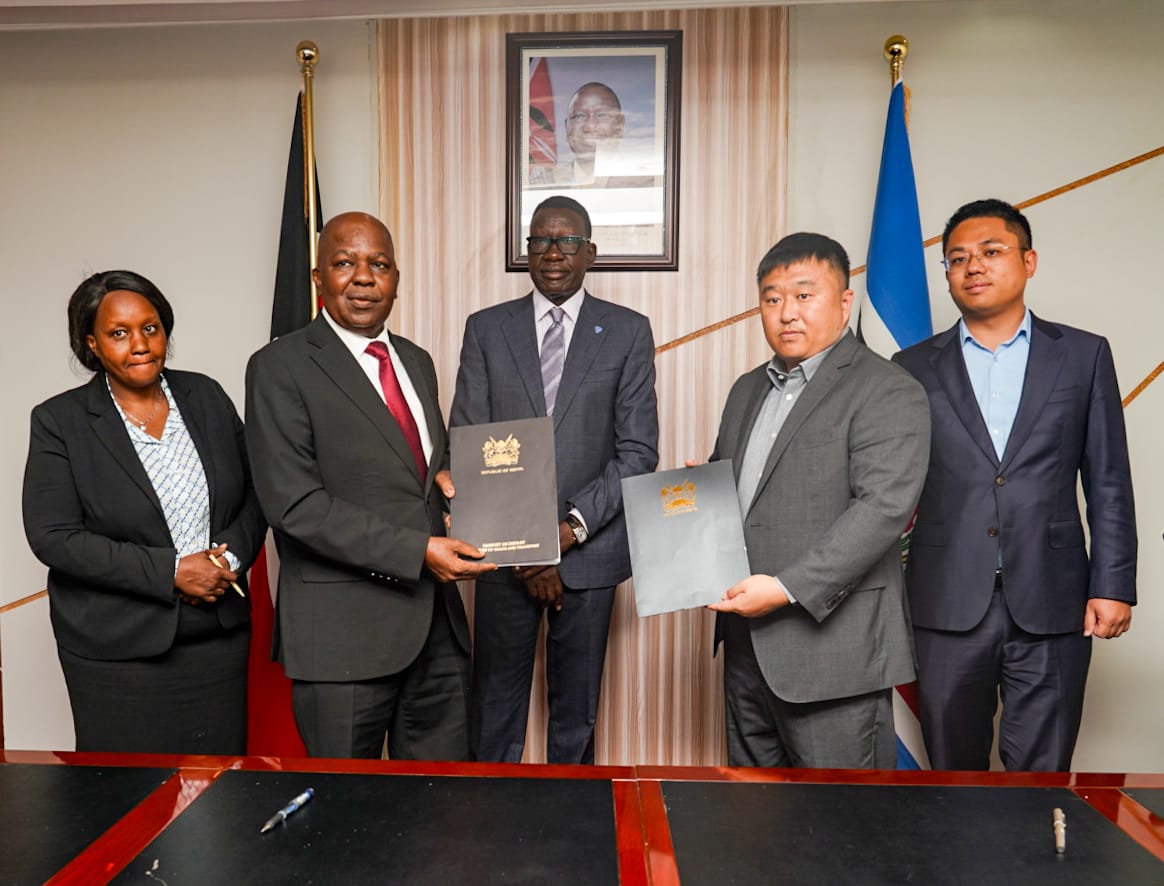
- China Road and Bridge Corporation, NSSF endorsed for mega Rironi–Mau Summit Road upgrade
- Private sector activities rise for the first time in five months in September
- Nyota programme: Sh5 billion Youth Fund now operational to boost enterprise
- Mombasa County to train employees for life after retirement
The actual reduction in take-home pay will be Sh1,512, since NSSF contributions are deducted from gross income to lower taxable earnings.
Employers are required to match the employees’ contributions, bringing the total monthly payment to Sh12,960 for the highest earners.
For workers enrolled in private pension plans, the Retirement Benefits Authority (RBA) allows companies to redirect part of the contribution to reduce the impact on payslips.
The fund continues to expand, now holding Sh558 billion in assets as of June, up from Sh476 billion at the end of last year and Sh295.6 billion in December 2022.
Annual contributions have also risen sharply, reaching Sh83.97 billion in the year to June, compared with Sh19.29 billion the previous year, and are projected to surpass Sh100 billion next year.
“Contributions to NSSF have been on steady growth over the last three years. The increase in contributions is attributed to the continued implementation of the NSSF Act 2013,” said RBA.
The increases arrive at a time when workers’ disposable income is already constrained by new levies, including the 1.5 per cent Affordable Housing tax and the 2.75 per cent healthcare insurance contribution.
Both have been widely criticised, with many Kenyans saying the additional deductions add pressure to already stretched household budgets.
Under the revised rates, an employee with a gross salary of Sh100,000 will now contribute Sh6,000 to the NSSF, while those earning Sh200,000 or more will pay Sh6,480.
The employer contribution further raises the cost for businesses while leaving employees with smaller net pay.
This is part of a continuing trend of declining real wages, marking the fifth consecutive year of erosion. Real pay fell by 4.1 per cent in 2023 and 0.3 per cent last year, with the average monthly income dropping from Sh62,256 in 2020 to Sh55,451 last year, a total reduction of Sh6,805.
Top Stories Today