Poverty levels to rise again after decades of progress - World Bank
Poverty levels to rise again after decades of progress - World Bank
Listen

Read this story aloud

Listen to the clean text version of this article.

Ready
3 min listen
Audio reading is not supported on this browser.

The report notes that the long-term decline in poverty has been driven largely by growth that created jobs, increased incomes and expanded access to essential services.

Poverty levels, which have fallen dramatically from about 60 per cent of the world’s population in 1950 to roughly 10 per cent today, could begin rising again, the World Bank has warned.
In its latest Atlas of Global Development report, the lender reckons that poverty reduction efforts have stalled in some of the world’s most vulnerable countries.
For decades, sustained economic growth helped lift more than a billion people out of extreme poverty, particularly in East and South Asia, where rapid economic expansion transformed living standards for millions.
The report notes that the long-term decline in poverty has been driven largely by growth that created jobs, increased incomes and expanded access to essential services.
As a result, hundreds of millions of people were able to move above the threshold of extreme deprivation, marking a historic shift in global development outcomes.
Advertisement
However, the World Bank says this progress is becoming increasingly uneven.
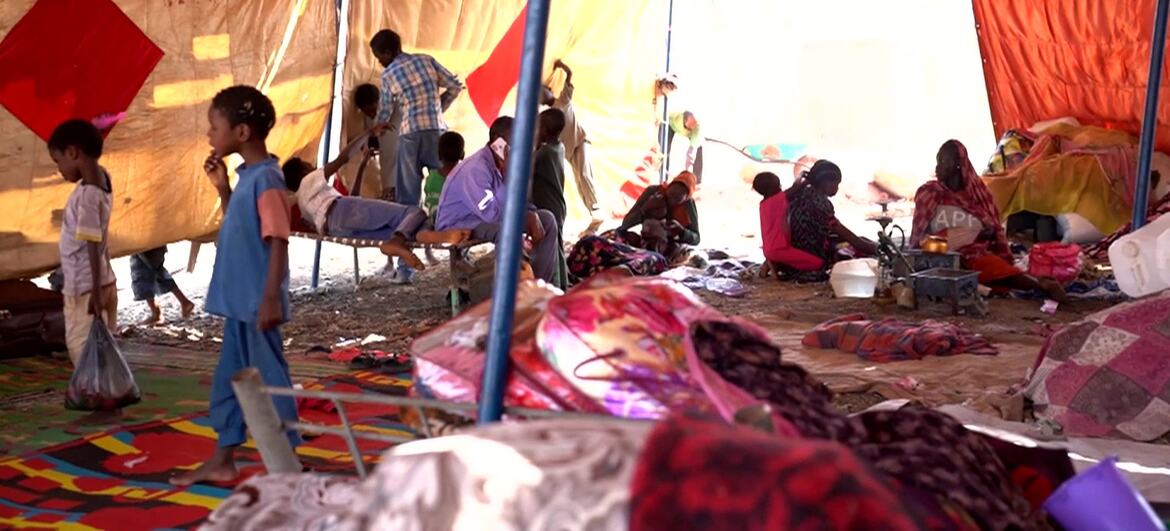
While many countries continue to record gains, poverty remains stubbornly high in a group of 43 nations where development has either slowed significantly or gone into reverse.
Many of these countries face a combination of challenges, including conflict, weak institutions, poor governance and limited economic opportunities, making it difficult to sustain poverty reduction efforts.
The 43 countries identified in the report include South Sudan, Mozambique, Malawi, Zambia, Madagascar, Sudan, Uganda and Nigeria.
Additionally, the World Bank warns that more than half of the world’s poor now live in countries where poverty is no longer declining.
This trend raises concerns that global poverty reduction could lose momentum unless governments and development partners address the structural barriers preventing economic progress.
“Looking ahead, there is a growing risk that global poverty could increase rather than continue its long-term decline,” the report states.
According to the projections, as many as 600 million additional people could fall into extreme poverty by 2050 if current trends persist.
The report further says reversing this trajectory will require targeted interventions to address conflict, strengthen institutions and improve economic opportunities in countries that have been left behind.
Advertisement

Comments

0
Loading comments...

Trending

Latest Stories

Popular Stories This Week