Clean energy progress remains uneven amidst widening affordability gap across developing countries - report
Clean energy progress remains uneven amidst widening affordability gap across developing countries - report

Listen

Read this story aloud

Listen to the clean text version of this article.

Ready
3 min listen
Audio reading is not supported on this browser.

Estimates that close to 655 million people globally still lack electricity, while about two billion rely on polluting fuels and technologies for cooking, exposing them to severe health risks.

The world’s push toward affordable and clean energy is advancing unevenly. This is according to the latest International Energy Agency (IEA) Tracking SDG 7 report, which highlights that progress over the past decade has not sufficiently addressed affordability or the needs of vulnerable communities.
It reckons that while renewable energy and electrification continue to expand, millions remain excluded from basic energy access.
Estimates that close to 655 million people globally still lack electricity, while about two billion rely on polluting fuels and technologies for cooking, exposing them to severe health risks.
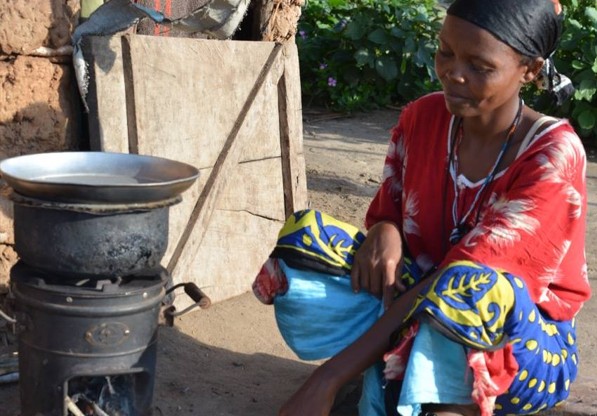
Sub-Saharan Africa remains the most affected region, with over 560 million people without electricity and around 970 million lacking access to clean cooking solutions.
“Despite global gains, the region continues to lag, with electrification efforts needing to triple in speed to meet the 2030 target,” reads the report 
“These findings highlight the critical need to focus on affordability and vulnerable communities.”
Renewable energy, however, continues to show strong growth. The report indicates that renewables now account for over 30 per cent of global electricity consumption, with generating capacity reaching a record 544 watts per person.
International financial flows supporting clean energy in developing countries also rose slightly to $24.6 billion (Sh3.19 trillion).
However, financing gaps remain a major constraint. In the least developed countries, clean energy funding fell to $3.7 billion (Sh479.57 billion), an 11 per cent decline from 2023.
Debt-based financing continues to dominate, accounting for about 80 per cent of total flows, limiting flexibility for vulnerable economies already under fiscal pressure.
Energy efficiency improvements are also slowing, dropping from 2.4 per cent in 2022 to 1.5 per cent in 2023, well below the trajectory required to meet SDG 7 targets.
The report warns that without urgent acceleration, the world risks missing its goal of universal access to affordable, reliable and sustainable energy by 2030.
The report reiterates that affordability remains a major barrier even in areas where infrastructure exists, as many households cannot afford connection fees, wiring costs or basic electricity services.
It recommends targeted subsidies and innovative financing mechanisms to ensure equitable access.
Additionally, the report recommends stronger political leadership, improved coordination and focused investment in vulnerable regions.

Comments

0
Loading comments...

Trending

Popular Stories This Week