Kenya must address four deep-rooted structural constraints if it is to sustain economic growth, reduce poverty and ensure the gains from development are shared more broadly, the World Bank has said.
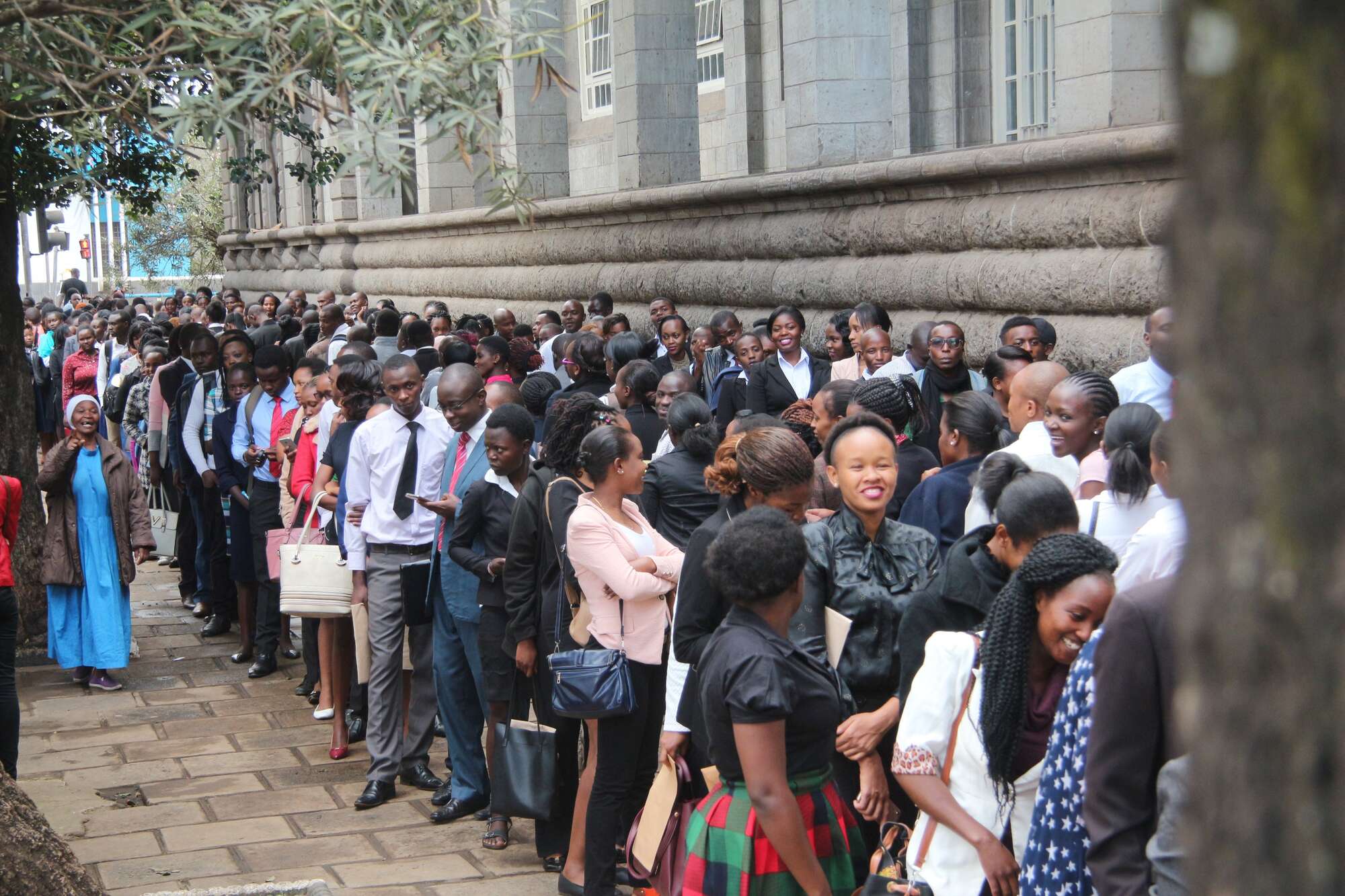
In its latest Kenya Growth and Jobs white paper, the lender says that despite recording steady economic expansion over the last two decades, Kenya's growth has not kept pace with countries at a similar income level and has become less inclusive in recent years.
According to the report, Kenya's real gross domestic product (GDP) expanded by an average of 4.5 per cent between 2001 and 2025, helping lift incomes, reduce poverty and improve access to essential services such as electricity, water, health and education.
However, the lender says the gains have been undermined by the lingering effects of the Covid-19 pandemic, rising macroeconomic vulnerabilities and persistent structural weaknesses that continue to weigh on the country's long-term economic prospects.
“To sustain economic growth, reduce poverty and make economic gains more inclusive, Kenya needs to address pressing structural challenges,” it notes.
The institution identifies fiscal pressures, external imbalances, weak productivity and climate-related risks as the four key constraints limiting Kenya's ability to achieve stronger and more inclusive growth.
On the fiscal front, the report says years of debt-financed public investment and rising government spending have pushed public debt to 71.3 per cent of GDP by the end of December 2025, increasing debt servicing costs while crowding out private sector investment.
The report also points to external vulnerabilities, noting that Kenya's exports have become less competitive, foreign direct investment remains subdued, and the country has yet to diversify its export base or deepen its integration into global value chains.
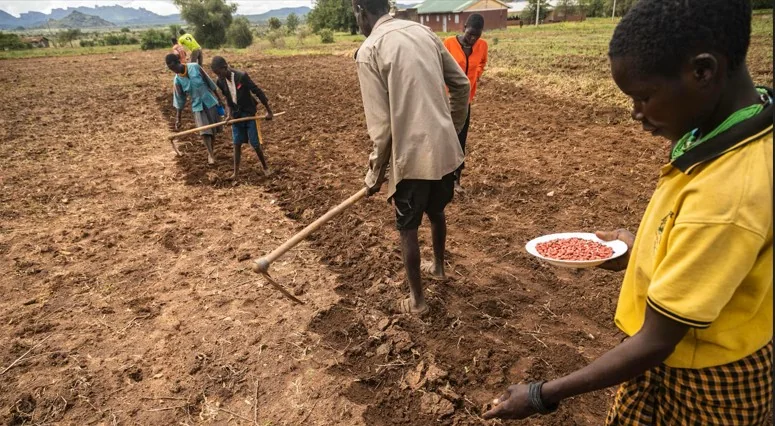
The World Bank further argues that productivity remains weak across much of the economy, with labour-intensive sectors such as manufacturing and agribusiness struggling to become more competitive, while overall productivity growth has remained largely stagnant over the past two decades.
Climate change is identified as another major constraint, with recurring floods and droughts taking an increasing toll on livelihoods, public finances and economic activity despite Kenya's leadership in renewable energy and regional climate initiatives.
“Decisive policy action is needed to rebalance and thus reinvigorate Kenya's growth,” noted the World Bank.
It adds that addressing the four constraints will require sustained fiscal consolidation, stronger export competitiveness, improved productivity, greater private investment and enhanced climate resilience to unlock more durable and inclusive economic growth.








































Comments
Sign in with Google to comment, reply, and like comments.
Continue with Google