Nairobi County failed to approve its 2026/27 budget by the legal deadline, forcing operations under strict spending limits that allow only half of the previous financial year’s allocation to run essential services.
According to the Public Finance Management Act, the arrangement will remain in place until the County Assembly passes the budget and authorises the Appropriation Act.
All county governments are required to have approved spending plans in place before the start of the new financial year on July 1, as set out in law. Nairobi City County will, however, continue to operate under interim funding controls that limit expenditure to essential services and block new spending until a full budget is approved.
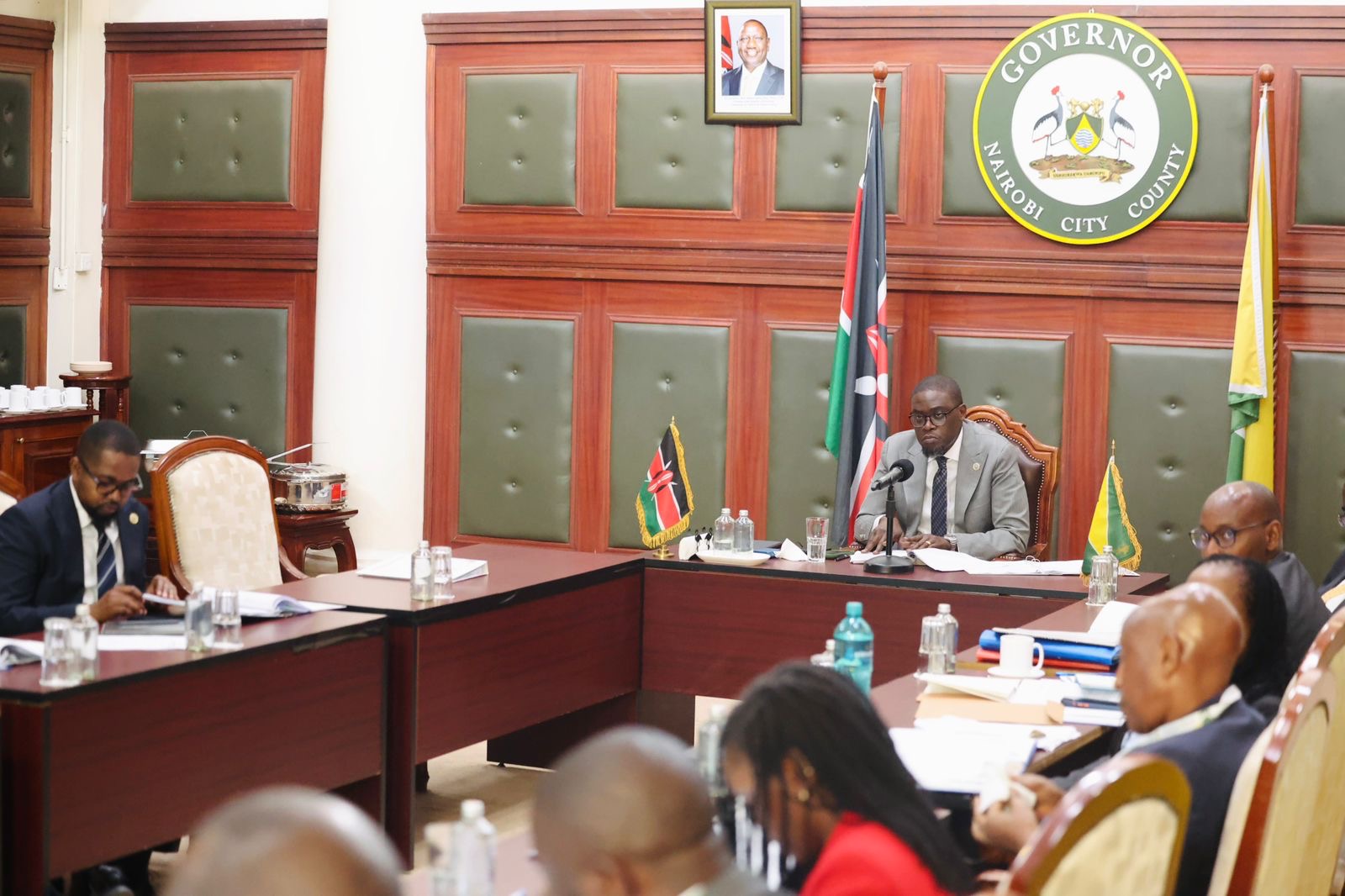
At the centre of the stalemate is a widening disagreement between Governor Johnson Sakaja’s administration and Members of the County Assembly, with MCAs accusing the executive of failing to provide full details on key financial proposals needed for approval.
County Assembly Majority Leader Peter Imwatok said the executive failed to respond to several requests to appear before the Assembly to explain the budget before MCAs went on recess. He also linked the delays to changes in the county’s finance leadership following the exit of former Finance CEC Charles Kerich.
“If they were ready, they could have requested the Assembly to convene a special sitting and pass the budget. But the issues raised by the Assembly must first be answered. We cannot process more than three documents in one sitting,” Imwatok said.
He added that MCAs were required to review multiple financial documents at the same time, including annual budget estimates, a supplementary budget and borrowing proposals, making scrutiny difficult.
“We are asking questions that have not been answered. We want details of this borrowing, why the supplementary budget is being introduced on the last day of the financial year, who prepared it and whether the Assembly was involved,” he said.
Imwatok also claimed that funds allocated to the County Assembly had not been released as required by law.
“The Assembly’s allocation as required by law has not been released. There are many outstanding issues. We have asked the government to address them, and we are waiting for a response,” he said.
Majority Whip Moses Ogeto warned that continued delays could slow down development activities across the city, saying MCAs still lacked clear information on how development funds would be used.
“The MCAs want to understand the budget, especially the development expenditure, but the Executive has not explained anything to us,” Ogeto said.
He further pointed to delays in the gazettement of Ibrahim Nyangoya Auma as substantive Finance executive, saying the Assembly should not be blamed for the current impasse.
“There is a crisis because of the delay in gazetting the Finance CECM. The law is clear. Now that he has been gazetted, he should come before the Assembly and explain the budget,” he said.
The county executive, however, maintains that it fulfilled its role in the budget process and blames MCAs for failing to pass the estimates before going on recess.
Questions have also emerged over some allocations in the proposed budget, with concerns raised about how certain programmes have been classified.
Woodley/Kenyatta Golf Course Member of County Assembly Davidson Ngibuini, also known as DNG, has written to Governor Sakaja, the Controller of Budget and other oversight bodies, raising concerns over alleged irregularities in the financial plan.
In a letter dated June 25, he said Sh1 billion allocated to the Dishi na County school feeding programme was wrongly categorised as development expenditure instead of recurrent expenditure.
Ngibuini argued that the programme involves routine operational costs and should not be treated as development spending.
He further said that after the Health Committee adjusted the classification, the county’s development budget fell below the legal requirement that at least 30 per cent of total expenditure must go to development projects.
He said MCAs will not approve the budget until the issue is resolved.
“The School Feeding Programme has been illegally and irregularly misappropriated as a Development Vote instead of a Recurrent Vote to the tune of Sh1 billion. Clearly, feeding school children, as it is, does not fall under the Development Expenditure threshold. It is a recurrent expenditure,” he said.
Despite the dispute, county operations continue under the restricted arrangement. The law allows access to part of the previous year’s budget, mainly to fund salaries and essential services.
However, new development projects remain halted, procurement for capital investments is restricted, and related payments may be delayed until the County Assembly passes the budget and the Controller of Budget grants full spending authority.






































Comments
Sign in with Google to comment, reply, and like comments.
Continue with Google