Refugees living in Mombasa have raised concerns over the growing cost of living, saying economic hardships are making it harder for them to rebuild their lives despite finding safety in Kenya after fleeing conflict and insecurity.
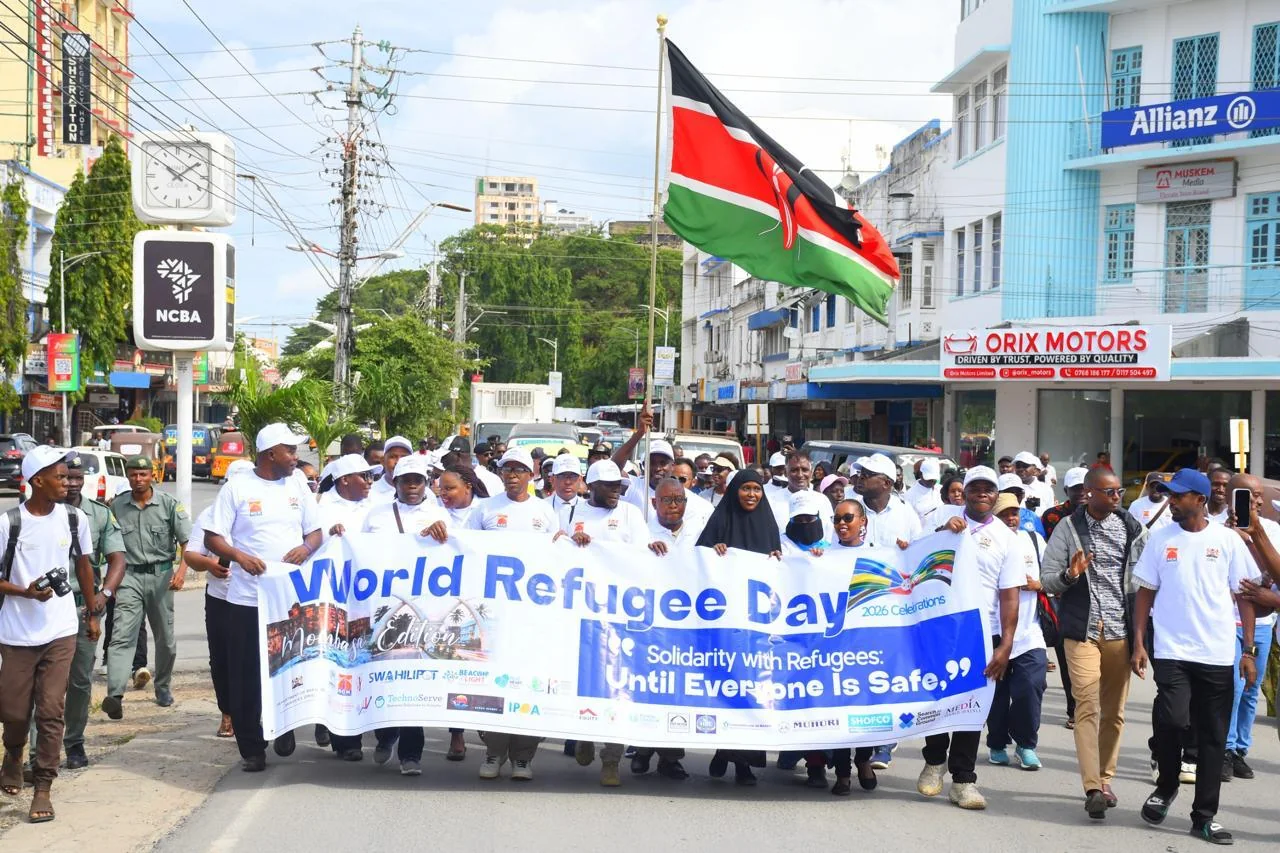
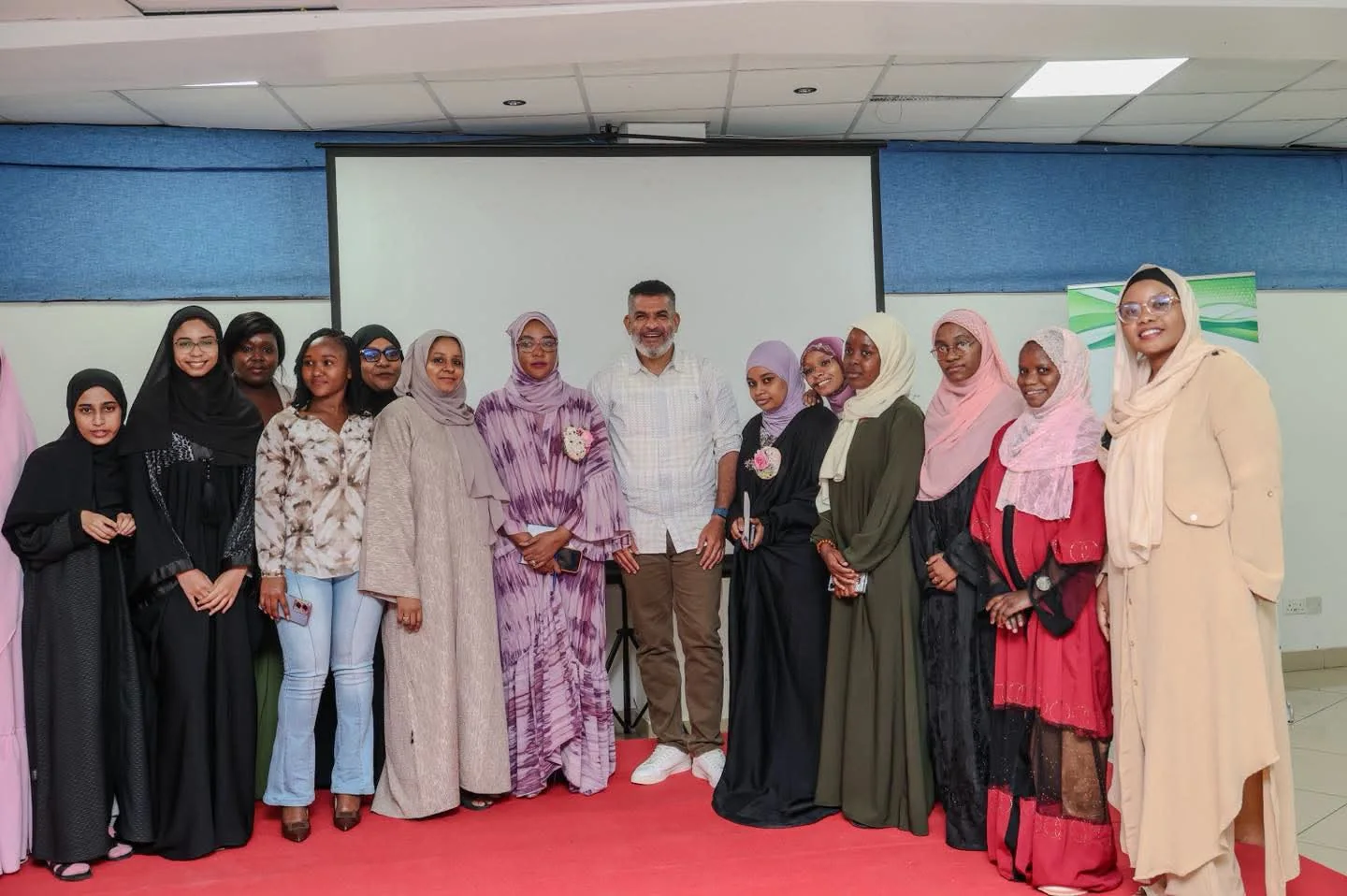
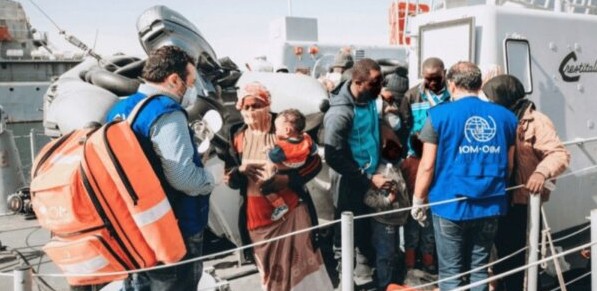
The concerns emerged during World Refugee Day commemorations in the coastal city, where refugees, government representatives, human rights organisations and partners gathered to recognise the resilience of displaced communities.
Nawal Abdulkadir Ali, who arrived in Kenya from Somalia in 2007 as a child, said she has established roots in the country but remains concerned about the limited opportunities available to many refugee families.
“Many refugees are willing to work and provide for themselves, but unstable employment and increasing expenses continue to affect the ability to plan for the future,” she said.
Refugees and human rights groups say access to formal employment remains a major challenge, with some facing difficulties linked to documentation, recognition of refugee status and limited access to financial services.
Fatuma Musa Farah, a Somali refugee who has lived in Kenya for over 20 years after escaping conflict, said the country gave her a safe environment to restart her life, but the current economic situation has created fresh challenges.
She said refugees appreciate Kenya’s hospitality, but “Many families are struggling to keep up with the rising cost of necessities, including housing, food and education.”
Farah’s experience reflects the situation of many refugees living outside camps, who often depend on informal employment and small businesses to support themselves without regular assistance.
Makasi Hamisi, a refugee from the Democratic Republic of Congo who has spent 15 years in Kenya, said displaced people should be recognised for their skills and ability to contribute to society.
He said many refugees have the capacity to create businesses, find employment and support the economy, but require opportunities and acceptance to do so.
Kenya currently hosts more than 800,000 refugees and asylum seekers, according to government and United Nations figures, with many living in both refugee settlements and urban areas.
Gatobu Kirera from the Department of Refugee Services in Mombasa said refugees living in towns should not be overlooked, noting that many are already involved in businesses and community activities.
He said urban refugees are part of Kenyan communities and contribute to local economies in different ways.
The Kenya National Commission on Human Rights has called for stronger inclusion measures, saying refugees require more than protection from conflict; they also need access to opportunities that allow them to live independently.
Brenda Dosio from the commission said Kenya has demonstrated commitment in hosting refugees, but ensuring they can access livelihoods and live without discrimination remains an important step.
































Comments
Sign in with Google to comment, reply, and like comments.
Continue with Google