The Kenyan government has moved to provide safety and facilitate repatriation for citizens affected by violent xenophobic attacks as the June 30 deadline for undocumented migrants to leave approaches.
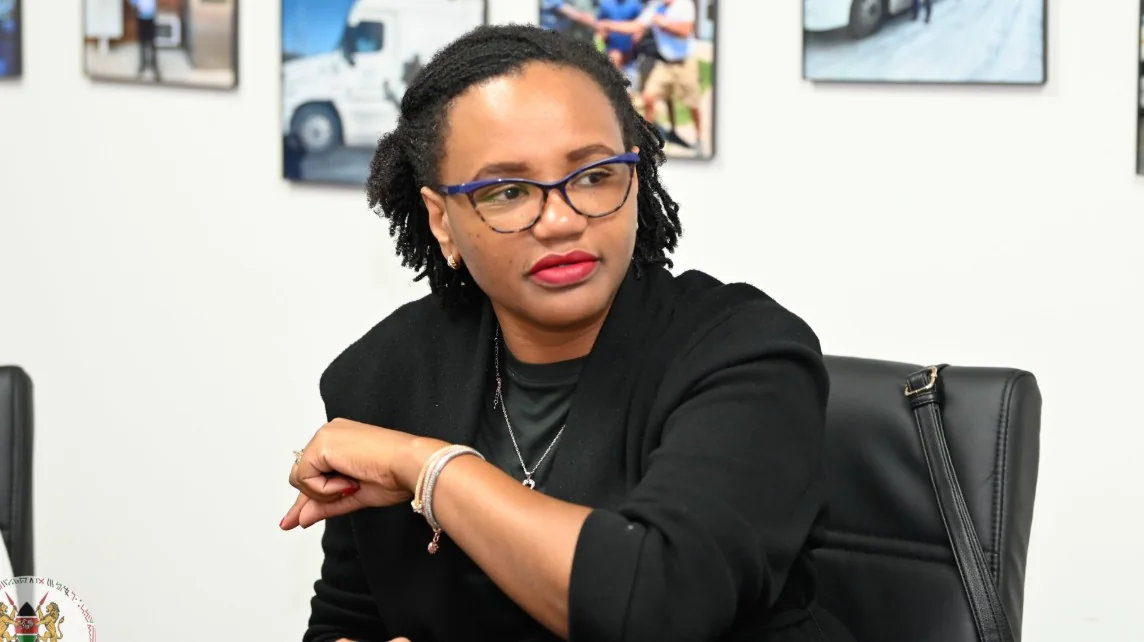
Speaking to The Eastleigh Voice, Diaspora Affairs Principal Secretary Roseline Njogu said the Ministry has organised safe houses and is assisting Kenyans who wish to be repatriated to Nairobi.
Njogu said that, among other measures, the Ministry has issued travel documents to a Kenyan who was in danger and sought repatriation from Cape Town. She also indicated that the Ministry has engaged the leadership of the Kenyan Diaspora in South Africa (KEDASA) to support those who want to return home.
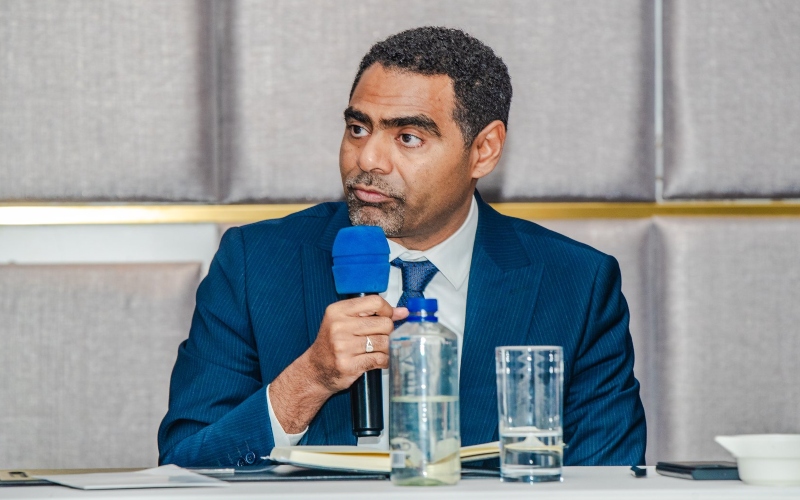
KEDASA Secretary General William Thegeya confirmed they held a virtual meeting with PS Njogu on Thursday evening, during which the government directed the Kenyan High Commission in South Africa to organise safe houses for displaced Kenyans and facilitate repatriation.
“We are happy that the government has moved to secure Kenyans who are affected by the violence in South Africa. PS Njogu directed that safe houses be availed and Kenyans who want to be repatriated be issued with emergency travel documents,” said Thegeya.
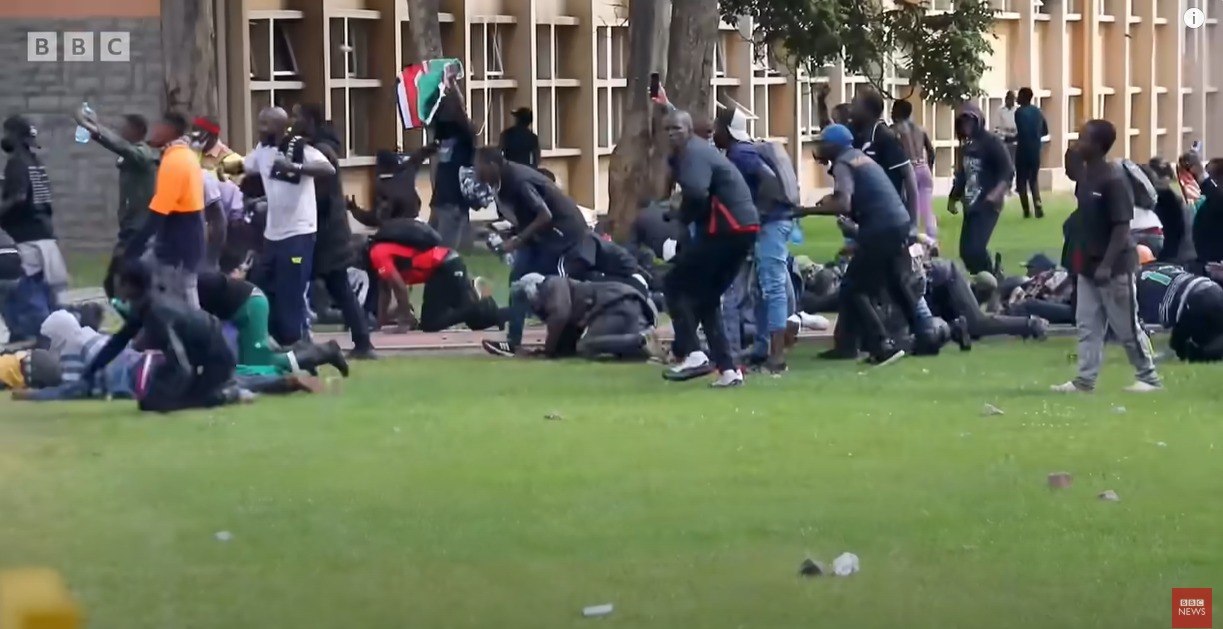
Thegeya added that the government’s intervention has come at an opportune time, with more than 50 Kenyans across various provinces seeking assistance after being attacked and having their properties torched or confiscated.
He explained that KEDASA has compiled a list of Kenyans who have volunteered for repatriation, noting growing fear among foreigners living in black townships and informal settlements.
"There is now open hatred and advocacy for all African foreigners to leave South Africa as some local organisers of marches are going door to door threatening and even forcing landlords to evict foreigners," he noted.
As the June 30 deadline set by protesters for undocumented migrants to leave the country approaches, protest organisers deny their actions are xenophobic.
Led by the anti-migrant group March and March, opposition party ActionSA and others, they accuse other Africans of abusing South Africa’s immigration system. According to March and March leader Jacinta Ngobese-Zuma, Africans are "playing the victim card."
Sticks in hand, the marchers have been chanting Mabahambe, a Zulu phrase meaning "They must go".
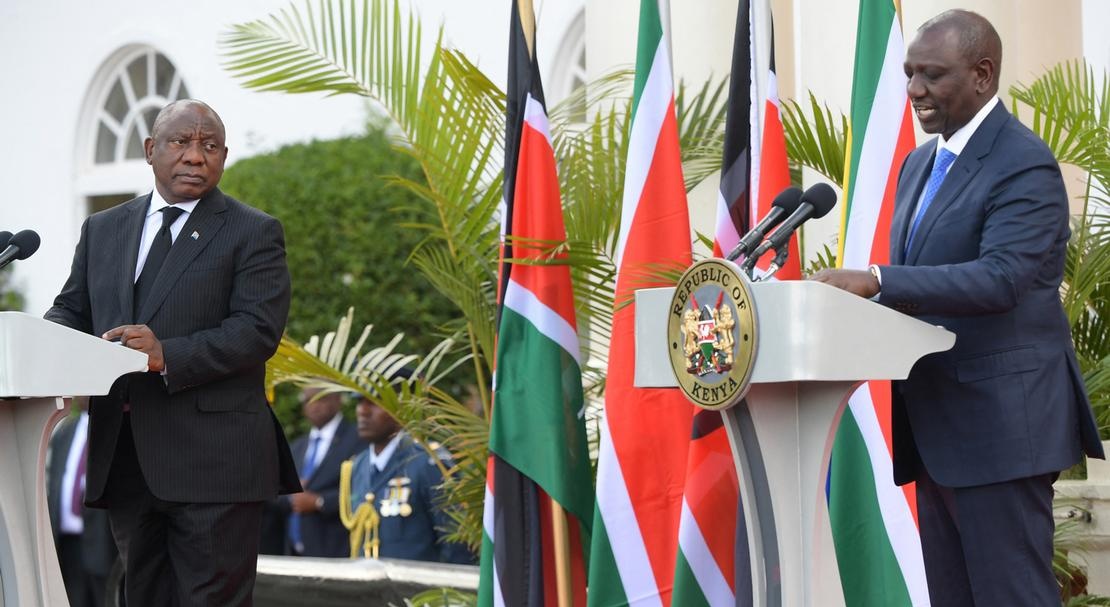
On Tuesday, however, President Cyril Ramaphosa warned South Africans that the "scapegoating of vulnerable people" was not the solution to the country’s complex economic challenges.
The country has one of the highest unemployment rates in the world at 32.7 per cent, according to Statistics South Africa, which recorded 350,000 job losses in the first quarter of 2026, the majority among young people.
Latest figures show it is home to more than three million foreigners, about 5 per cent of the population, most from neighbouring countries.
But the statistics do not account for the many more migrants believed to be in the country without papers, a major point of contention for protesters.
Their anger is rooted in worsening hardship as the country grapples with rising youth unemployment and economic inequality.
In response to the violence, Ghana, Mozambique, Nigeria and Zimbabwe have organised repatriations by air or bus over the last few weeks, with about 3,500 people volunteering to leave so far.
South African authorities said 500 Nigerians recently repatriated had been in the country illegally, though this was disputed by Nigerian officials.




























Comments
Sign in with Google to comment, reply, and like comments.
Continue with Google