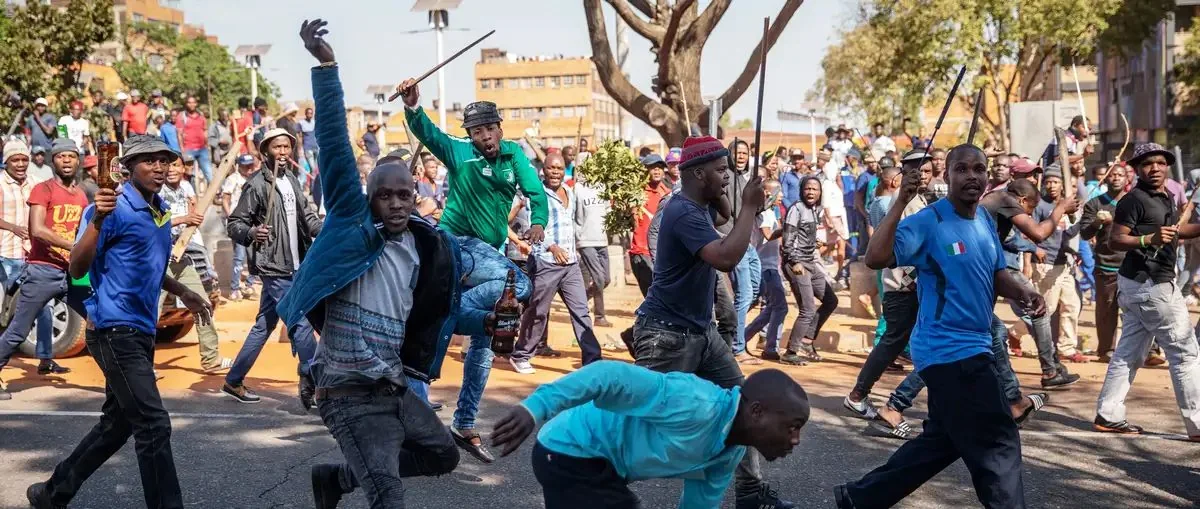
The Presidency of South Africa has pushed back against growing international concern over recent deaths of Ethiopian and Mozambican nationals, saying the incidents are linked to organised crime and suspected human trafficking rather than migration policy failures, as the World Health Organisation (WHO) warned of escalating xenophobic violence in the country.
In a statement released on Monday, the Presidency said it would engage the WHO through the Department of International Relations and Cooperation (DIRCO) to ensure that information shared internationally reflects “verified findings” by South African authorities.
The government said the deaths of Ethiopian nationals are being investigated as part of organised criminal activity, while also confirming that probes are ongoing into the deaths of Mozambican citizens. Authorities reiterated that only law enforcement agencies are mandated to handle immigration and criminal investigations, warning against misinformation and vigilantism.
The statement comes in response to remarks by WHO Director-General Tedros Adhanom Ghebreyesus, who condemned what he described as a surge of xenophobic violence in South Africa, saying at least five Ethiopians and five Mozambican nationals had been killed and thousands displaced.
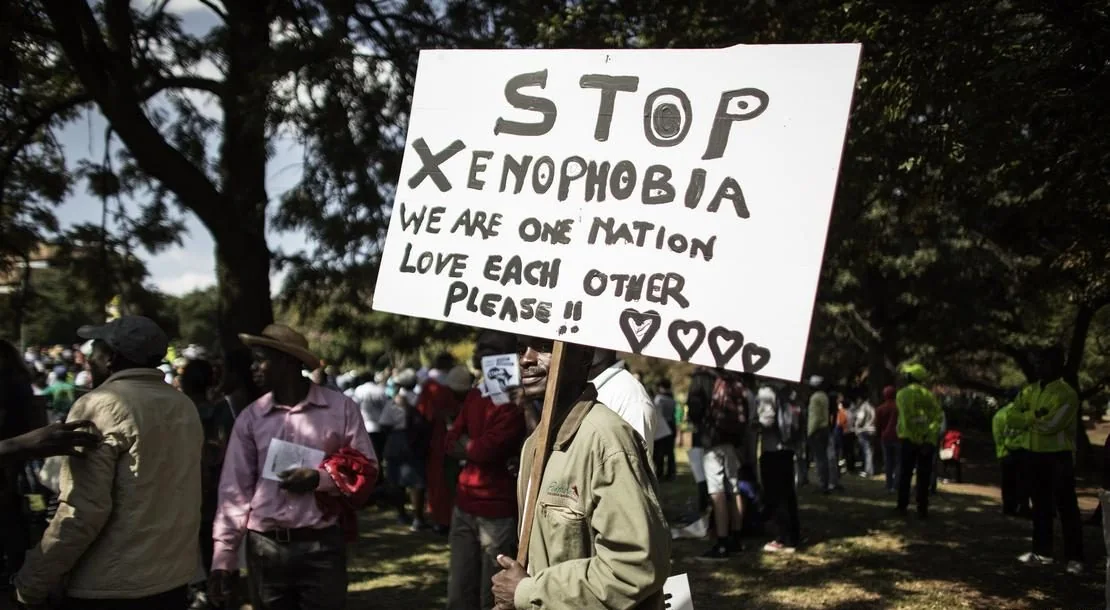
Tedros described the situation as “profoundly heartbreaking”, adding that hundreds had marched on Parliament and that violence had forced large-scale displacement of migrant communities. He warned against targeting vulnerable groups, stressing that grievances must be addressed through legal and judicial institutions rather than vigilante action.
“To see South Africa turn to xenophobia is a tragic betrayal of the country’s struggle for independence and freedom,” Tedros said, calling for the protection of migrants and an end to collective punishment.
The South African government, however, maintained that current investigations point to organised crime networks, including suspected human trafficking operations, as the primary driver behind the deaths rather than broader anti-migrant violence.
The Presidency also said it would continue coordinating migration policy through an Inter-Ministerial Committee on Migration established by President Cyril Ramaphosa, amid ongoing public debate over illegal migration, border control, and cross-border crime.
The developments come amid heightened concern within migrant communities in South Africa, including Ethiopians, who have reported fear and insecurity following recent incidents. Community representatives have also raised concerns over intimidation and sporadic violence in some areas, despite assurances from authorities that foreign nationals will be protected.
Last week, Ethiopian authorities sought to reassure citizens in South Africa following a series of engagements led by officials from the Ministry of Foreign Affairs and the Ethiopian Embassy in Pretoria, who met with community members and South African officials. The delegation said it had received assurances from South African authorities regarding the protection and safety of foreign nationals, and urged Ethiopians to remain calm while staying vigilant.
Despite these assurances, members of the Ethiopian community continue to express concern over their security, citing reports of killings, displacement, and attacks linked to anti-foreigner sentiment. Community representatives say fear and uncertainty remain widespread among migrants, particularly in areas affected by recent unrest.
Ethiopian community members in South Africa told Addis Standard that threats associated with anti-migrant mobilisations, including those linked to the “Operation Dudula” movement, have heightened anxiety among foreign communities. They reported cases of intimidation, potential violence, looting, and forced displacement, despite official assurances that all residents would be protected.
Some migrants have also criticised what they describe as a delayed response from Ethiopian authorities, saying officials did not act with sufficient urgency as anti-foreigner rhetoric intensified and calls for undocumented migrants to leave the country grew louder.
At the time, the Ethiopian Embassy in Pretoria said it was actively engaging South African authorities and community representatives, closely monitoring the situation, and pursuing diplomatic efforts to safeguard Ethiopian nationals.




























Comments
Sign in with Google to comment, reply, and like comments.
Continue with Google