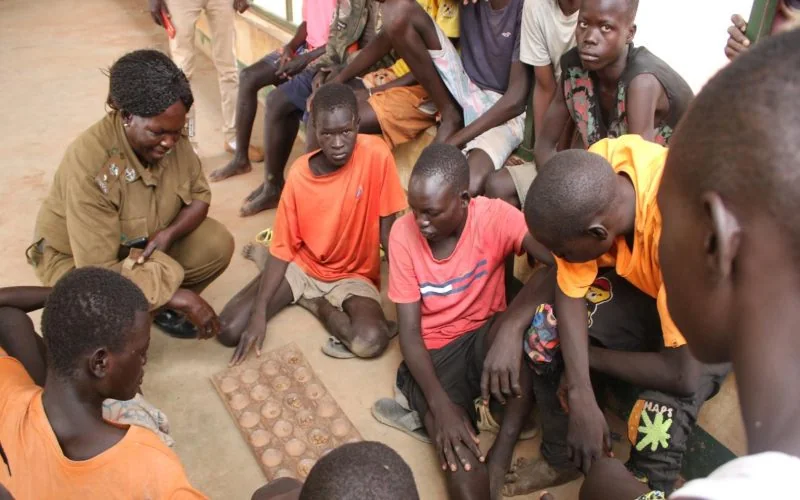
Severe overcrowding has pushed South Sudan’s main juvenile detention facility in the capital far beyond its intended capacity, leaving hundreds of children held for years without trial, officials have reported.
Figures released by prison authorities show that the Juba Juvenile Prison is holding 314 juveniles, despite being built to accommodate just 100 inmates, according to the facility's Director, Akol Michael. According to Radio Tamazuj, the data was released on Tuesday during an event marking the Day of the African Child.
The Day of the African Child is observed every year on June 16 in memory of the 1976 Soweto uprising in South Africa, when students who protested against the apartheid government’s education policies were met with violent crackdowns by police, leaving many young people killed and injured. The day is also used across Africa to highlight children’s rights and the need to strengthen their protection and welfare.
According to Michael, 233 of the juveniles are being held on remand pending trial, while 81 have already been convicted. Offences including rape and murder are among the most common cases involving juveniles currently in detention. The Director added that many children remain in custody for years without access to justice.
“Some of them stay for three to four years without seeing any justice, without seeing a court,” Michael said, attributing the delays to logistical constraints within the justice system, including shortages of fuel.
Michael also raised concerns that the extreme congestion in the facility has worsened day-to-day living conditions, making it harder to provide sufficient food and manage growing health issues among the inmates.
“The issue of food is also very important; one meal cannot be enough,” he said, noting that budget constraints have at times reduced meals from two a day to one.
Jennifer John Jada, Secretary General of the youth group Tribe 64, one of the event’s organisers, said many of the children in detention were affected by challenging life circumstances they had little or no control over.
“We wanted to make them feel that just because they are here, it is not the end of everything. They can still build a life and do better,” she said.


















Comments
Sign in with Google to comment, reply, and like comments.
Continue with Google