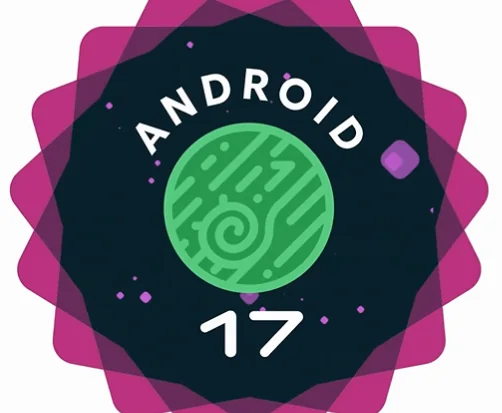
Google this week officially launched Android 17, introducing one of its biggest software updates in recent years with a stronger focus on multitasking, artificial intelligence, creator tools, and security.
The rollout will first begin with Pixel devices and will gradually expand to eligible Android smartphones throughout 2026.
For users in Kenya, the update is less about dramatic visual changes and more about making smartphones work more intelligently in everyday life. One of Android 17’s biggest additions is a multitasking feature dubbed Bubbles.
Users can now convert supported apps into floating windows that stay visible while using other apps. Google has also introduced a new Bubble Bar on larger screens, making it easier to move between conversations, videos, and productivity apps without repeatedly switching screens.
For Kenyan users, the practical impact could be immediate. Imagine attending an online class while taking notes, replying to messages while watching a tutorial, or comparing prices while shopping online, all without constantly opening and closing apps.
Gemini is moving beyond a Chat Assistant
Android 17 also pushes Google’s AI ambitions further through expanded Gemini integration.
Google says selected devices will receive Gemini Intelligence later this year, introducing features designed to help users complete tasks proactively rather than simply respond to commands.
Future updates are expected to support automation across apps, smarter suggestions, and context-aware assistance. Instead of opening multiple apps separately, users may increasingly rely on AI to organise information, assist with tasks, and reduce manual steps.
Content creation is also receiving attention this year. Android 17 introduces Screen Reactions, allowing users to record both their screen and front-facing camera at the same time. The feature is designed for reaction videos, tutorials, explainers, and social content creation.
This could appeal to Kenya’s growing creator economy, where smartphones often serve as cameras, editing studios, and publishing tools all at once.
Privacy gets more serious
Security improvements are another major theme of Android 17.
The update introduces temporary precise location permissions, stronger anti-theft tools, improved scam detection, and enhanced protection for lost devices. Google has also added tighter controls over what information apps can access.
For users increasingly conducting banking, shopping, and work from mobile devices, these updates could become some of the most valuable changes.
Users will not get Android 17 immediately, but Google is releasing Android 17 first to Pixel phones, with broader rollout depending on smartphone manufacturers. Brands commonly used in Kenya, like Samsung, Xiaomi, Oppo, Tecno, Infinix, and others, typically adapt Android updates before releasing them to their own devices.
That means availability will vary by brand and model. The biggest question may no longer be whether their phone can run the latest apps, but whether it can keep up with the next generation of AI-powered features.
















































Comments
Sign in with Google to comment, reply, and like comments.
Continue with Google