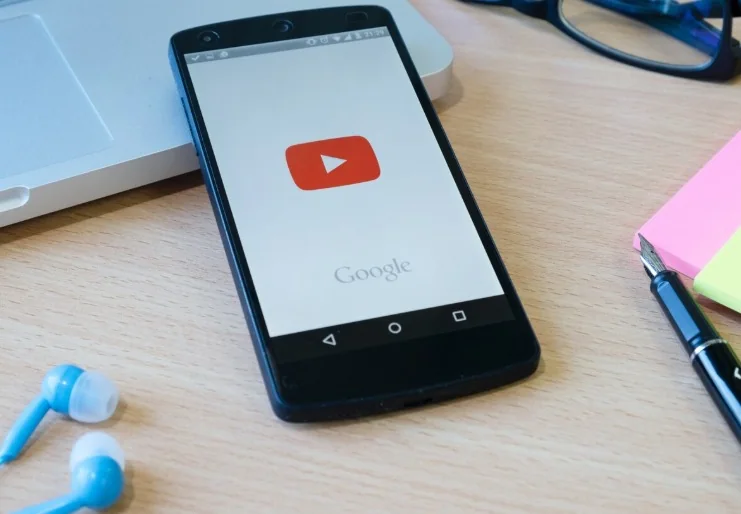
Google has argued in a new court filing that musicians who upload their music directly to YouTube may have already granted the company permission to use that content for artificial intelligence-related purposes under the platform's existing terms of service.
The argument emerged as Google seeks to dismiss a lawsuit filed by a group of independent artists, songwriters and producers who allege that the tech giant used their music without consent to train its AI music-generation model, Lyria 3.
The plaintiffs claim their copyrighted works were used to develop the system without compensation or authorisation.
In its legal response, Google maintains that creators who upload content to YouTube agree to a broad licensing arrangement that allows the company to reproduce, distribute and create derivative works from uploaded material.
According to Google, these rights are extensive enough to cover the activities alleged in the lawsuit, including potential AI-related uses.
However, the company has stopped short of explicitly confirming whether music uploaded to YouTube was used to train Lyria 3.
Instead, Google argues that even if such training occurred, creators had already granted the necessary permissions through YouTube's user agreement.
The case highlights a growing legal battle over how AI companies obtain and use training data.
While many technology firms have relied on "fair use" defences in copyright disputes, Google's latest argument focuses on contractual rights contained within platform terms and conditions.
Legal experts say the outcome of the case could have far-reaching implications for the creative industry.
If courts accept Google's interpretation of YouTube's terms of service, digital platforms may gain broader authority to use user-generated content in the development of AI systems.
Conversely, a ruling in favour of the artists could strengthen calls for explicit consent and compensation mechanisms when copyrighted works are used to train generative AI models.
The dispute also raises questions about how much control creators retain over content they upload to online platforms.
Many artists have expressed concerns that AI systems trained on their work could eventually generate music that competes with human creators, potentially affecting revenue and creative ownership.
Additionally, the lawsuit comes amid increasing scrutiny of AI training practices across the technology and entertainment sectors.
Record labels, publishers, musicians' unions and independent creators have launched multiple legal challenges against AI developers, arguing that copyrighted content should not be used to train commercial systems without permission or payment.
As the case proceeds, it is expected to become a key test of whether platform agreements can serve as a legal foundation for AI training in the rapidly evolving digital economy.









































Comments
Sign in with Google to comment, reply, and like comments.
Continue with Google