The World Health Organisation’s latest rapid risk assessment on the Ebola outbreak caused by the Bundibugyo virus indicates a worsening situation in the Democratic Republic of the Congo (DRC) and Uganda, while the risk remains low across the wider African region and globally.
At the global level, the risk is still assessed as low. However, the situation in affected areas is far more serious. The DRC is now classified as very high risk, Uganda as high risk, and countries sharing land borders with both are also considered high risk due to ongoing population movement and limited preparedness.
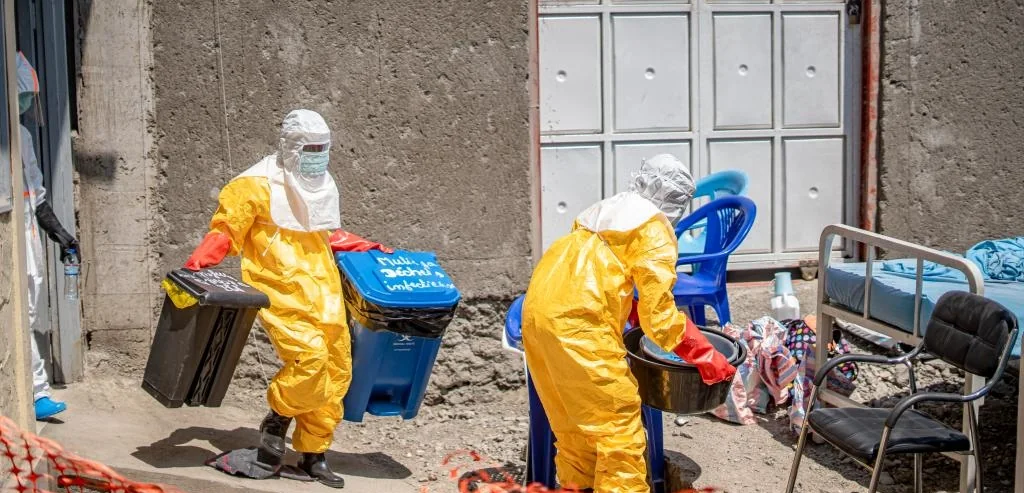
In the DRC, the outbreak has expanded rapidly, with reported cases now exceeding 600. A total of 159 health zones are currently affected, at risk, or high risk, showing a wide geographic spread across provinces, including Ituri and North Kivu.
Health authorities say transmission chains are not yet fully understood, and the source of the outbreak remains under investigation. Early evidence suggests the virus may have been circulating undetected since March 2026, allowing multiple transmission chains to establish before detection.
The outbreak is being driven by several factors, including high population movement linked to mining, trade, displacement, and healthcare seeking.
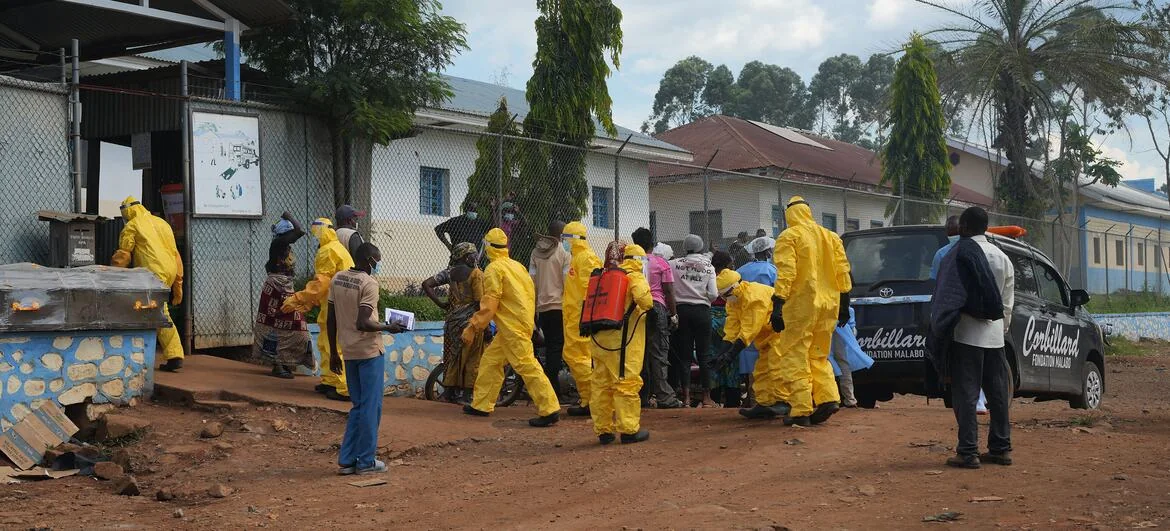
Insecurity and ongoing conflict are limiting surveillance and response efforts, while weak health systems, delays in testing, limited isolation capacity, and gaps in infection prevention and control are worsening the situation.
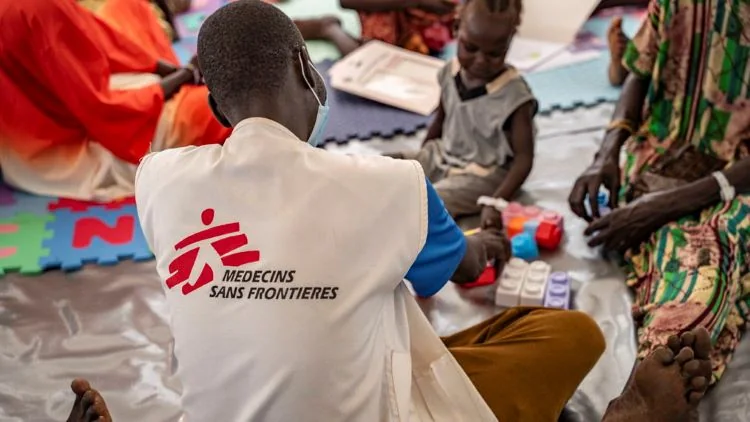
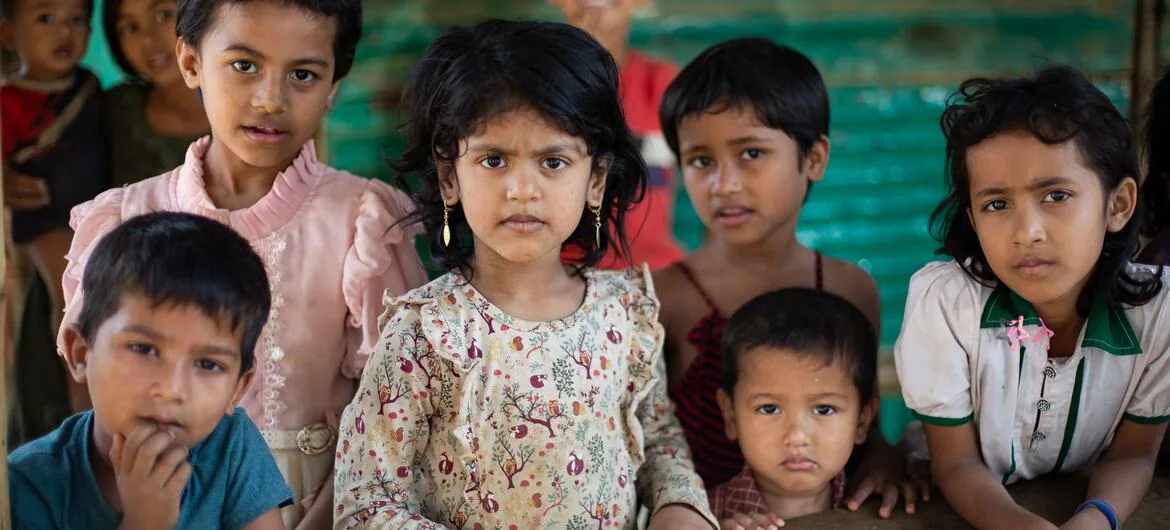
At least 16 healthcare workers have been infected, and children have been identified as a particularly vulnerable group. There is currently no licensed vaccine or specific treatment.
Community mistrust, fear, misinformation, and poor uptake of safe burial practices are also contributing to continued transmission. As the WHO notes, "Community fear and misinformation hinder case detection, contact tracing, and isolation and may facilitate disease spread.”
Uganda is assessed as high risk following confirmed imported cases linked to the outbreak in the DRC. As of 6 June 2026, 19 cases have been reported, including infections among healthcare workers. Cross-border movement through porous borders remains a major concern despite travel restrictions, with continued movement driven by trade, mining, and family ties.
Countries sharing land borders with affected areas are also considered high risk due to mobility, weak preparedness, and gaps in laboratory and surveillance capacity. However, for the wider African region and globally, the risk remains low, as transmission is still largely confined to the DRC and limited cross-border areas in Uganda, with no evidence of sustained international spread.
Kenya has not recorded any confirmed Ebola cases linked to the ongoing Bundibugyo virus outbreak in the DRC and Uganda. Health authorities continue to maintain high surveillance due to regional movement and proximity to affected areas.
According to recent public health updates, over 100,000 travellers have been screened at Kenya’s points of entry, including airports and land border posts. These screenings involve temperature checks, health declarations, and risk assessments for travellers arriving from or transiting through affected countries.
The Ministry of Health has also strengthened monitoring systems at major entry points, with rapid response teams on standby to investigate any suspected cases.


































Comments
Sign in with Google to comment, reply, and like comments.
Continue with Google