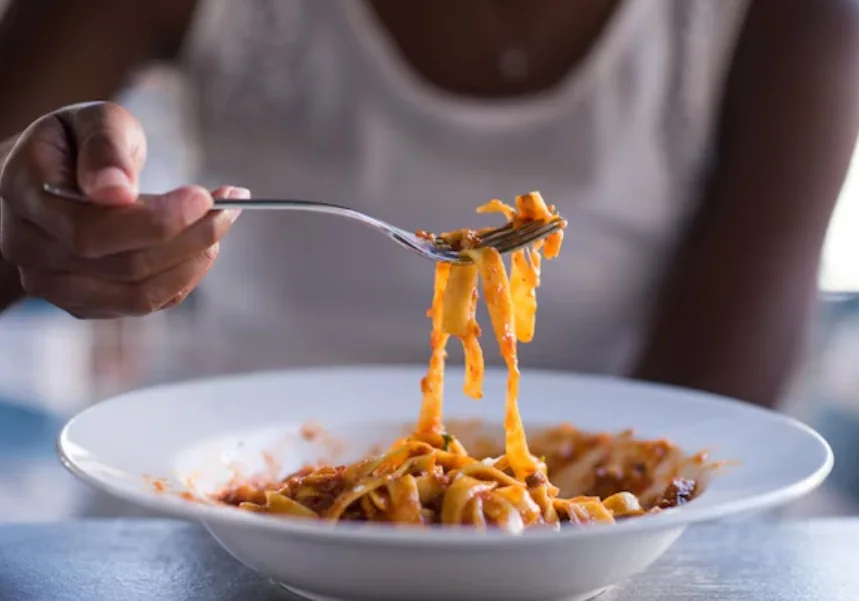
A plate of spaghetti may seem like a simple meal, but for many Somalis and residents of Kenya’s Coast, it carries far more than flavour.
It evokes childhood memories, family gatherings, festive celebrations, and a deep sense of home.
From Mogadishu to Mombasa, and from Eastleigh to Lamu, spaghetti has become woven into the cultural fabric of communities shaped by centuries of trade across the Indian Ocean.
Though its origins lie thousands of kilometres away in Italy, its journey into East Africa tells a wider story of commerce, migration, adaptation, and identity.
From “little strings” to a global staple
The word spaghetti comes from the Italian spaghetto, meaning “little string” or “thin cord,” a reference to its long, slender shape. It is derived from spago, meaning string or twine.
While spaghetti is closely associated with Italy today, the broader history of noodles and pasta stretches back much further.
Historians believe early forms of noodles emerged independently across Asia, the Middle East, and Europe over centuries.
What made dried noodles and pasta especially valuable was their practicality. Unlike fresh foods, they could be stored for months without spoiling, making them ideal for merchants, sailors, and travellers crossing deserts and oceans.
Food historians note that Arab, Persian, and Indian traders often carried dried grains, noodles, and pasta-like foods on long journeys because they were lightweight, easy to transport, and quick to prepare with limited ingredients.
Long before modern refrigeration, such foods became essential provisions along trade routes linking the Arabian Peninsula and Persia to the Horn of Africa and the Swahili Coast.
How pasta reached East Africa
For more than a millennium, the East African coastline has been one of the world’s most important trading corridors.
Ports such as Mogadishu, Barawa, Zeila, Kismayo, Mombasa, Lamu, Pate, and Zanzibar connected merchants from Africa, Arabia, Persia, India, and later Europe.
These exchanges went beyond goods. They included languages, architecture, religion, fashion, and food traditions.
Spices such as cardamom, cloves, cinnamon, and cumin entered local cuisines through these networks, alongside wheat-based foods such as breads, chapatis, noodles, and eventually modern spaghetti.
By the time commercially produced Italian spaghetti became widely available during the colonial and post-colonial periods, many coastal communities were already familiar with noodle-like dishes. Its adoption was therefore smooth, and it quickly found a place in local kitchens.
Why Somalis embraced spaghetti
Few communities in Africa have embraced spaghetti as strongly as Somalis in Kenya’s North Eastern region.
Known locally as baasto, spaghetti is a staple in many Somali households, typically served with richly spiced tomato-based meat sauces flavoured with cumin, coriander, garlic, onions, cardamom, and other aromatics.
Unlike Italian dining traditions, Somali families often serve spaghetti as a complete meal rather than a separate course.
In some households, it is even combined with rice in a popular mix known as “federation.”
Its popularity is partly rooted in history. Somalia’s long-standing position along Indian Ocean trade routes exposed its people to diverse ingredients and culinary influences over centuries.
As a result, pasta blended naturally with existing Somali cooking traditions, which already emphasised spices, wheat-based foods, and communal dining, often served in shared platters known as sinia.
For many families, spaghetti is also closely tied to celebration. It is commonly prepared during Eid, weddings, family gatherings, and special occasions.
Over generations, it has come to represent not just food, but togetherness.
The Swahili connection
Along Kenya’s Coast, spaghetti holds a similar place in everyday life.
Swahili cuisine is known for blending African, Arab, Persian, and Indian influences into richly spiced dishes.
While rice often dominates discussions of coastal food, noodle-based meals have long been part of the region’s culinary tradition.
One of the most popular examples is tambi za sukari, a sweet vermicelli dish made with spaghetti or thin noodles, sugar, cardamom, cinnamon, raisins, and sometimes coconut milk.
Often served during Ramadan, Eid, weddings, and family gatherings, tambi za sukari shows how noodle traditions became deeply embedded in Swahili culture, extending even to sweet snacks and festive dishes.
Many coastal families associate it with childhood memories and celebratory mornings shared with relatives. Its continued popularity reflects centuries of exchange across the Indian Ocean world.
Why spaghetti feels like comfort food
Psychologists say comfort foods are not defined only by ingredients, but by emotional association.
They are foods that trigger memories of safety, family, and belonging.
Research shows that meals frequently eaten during childhood become linked to emotional experiences and social bonding. Later in life, they can evoke those same feelings almost instantly.
This helps explain why spaghetti holds strong emotional meaning for many Somalis and coastal residents.
The smell of onions frying, the aroma of cardamom and cumin, or the sight of a familiar family recipe can trigger deeply stored memories.
Food psychologists argue that such sensory cues create continuity and belonging, especially during periods of stress or uncertainty.
For members of the Somali and Swahili diaspora, preparing traditional spaghetti dishes also becomes a way of maintaining cultural identity.
A simple plate of baasto or tambi becomes more than a meal; it becomes a link to home, heritage, and family.
Spaghetti’s popularity among Somalis and coastal communities is therefore not accidental.
Its history mirrors the history of the region itself: shaped by trade, migration, adaptation, and cultural exchange.
What began as a practical food carried across oceans eventually evolved into a beloved staple reflecting the character of East Africa’s coastal societies.
Today, whether served as Somali baasto with a rich meat sauce, enjoyed as sweet tambi za sukari during Eid, or prepared in a modern Nairobi kitchen, spaghetti continues to bring people together.
And that is perhaps its real significance. Beyond taste, it represents memory, identity, family, and the quiet comfort of foods that remind people where they come from.















































Comments
Sign in with Google to comment, reply, and like comments.
Continue with Google