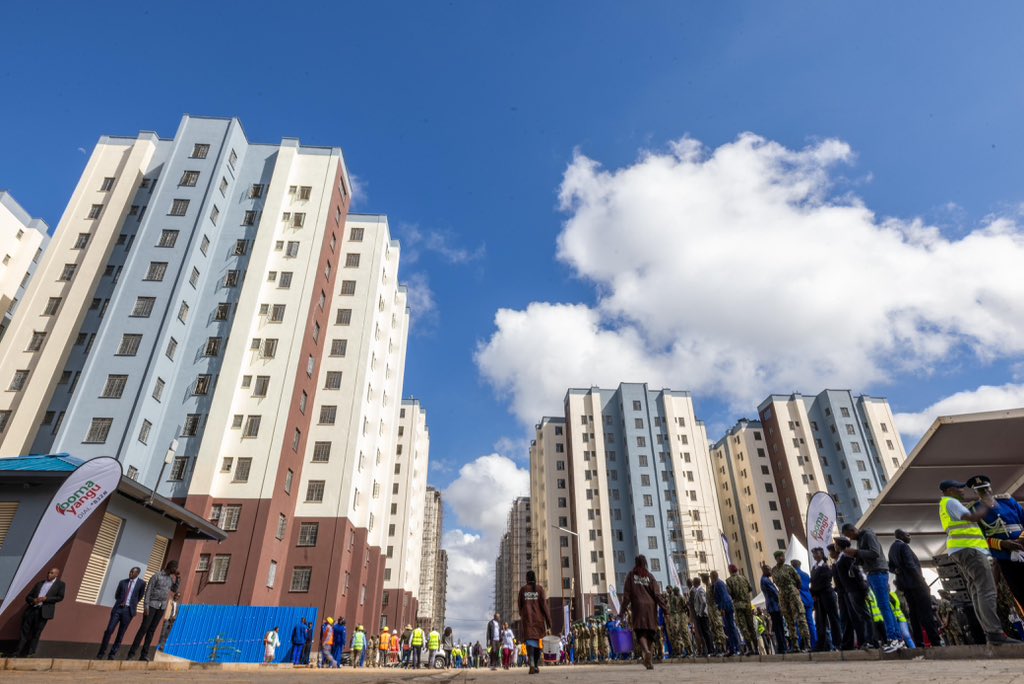
The Affordable Housing Fund Board has urged Parliament to grant the Kenya Revenue Authority (KRA) stronger enforcement powers to tackle evasion of the 1.5 per cent affordable housing levy, arguing that gaps in the current legal framework are undermining compliance and limiting revenue collection.
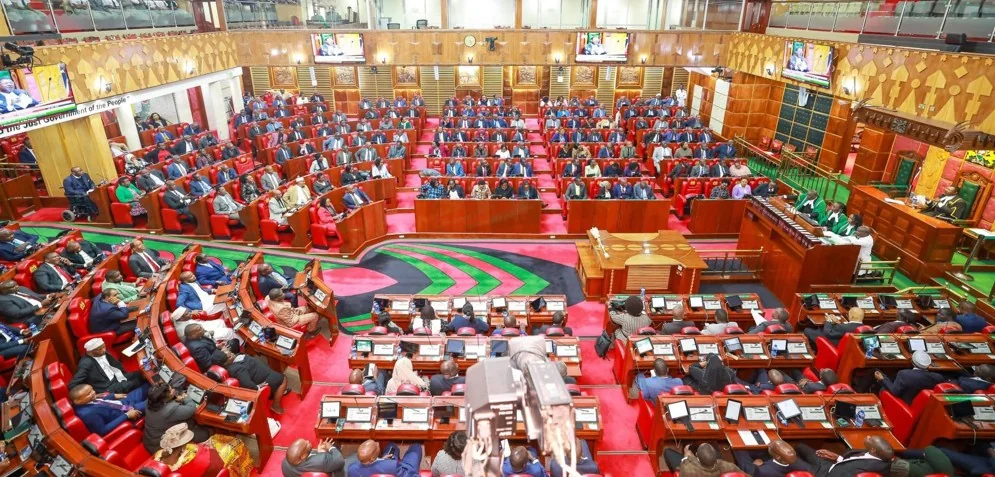
Appearing before the National Assembly Departmental Committee on Finance and National Planning during a stakeholder engagement in Kiambu County on Wednesday, June 10, 2026, the Board said equipping KRA with additional legal enforcement tools would significantly boost levy collections.
Board Chairperson Jeremiah Simu told the committee that existing legal provisions have created enforcement challenges, allowing some employers and individuals to evade their contributions. He said KRA already has the infrastructure needed to enforce compliance but lacks the necessary legal backing.
“We are currently collecting about 5.6 billion per month, and we believe that if KRA is given the power to enforce payment of the Housing Levy, we would collect a further 3 billion,” Simu said.
The Board has proposed amendments to the Tax Procedures Act to explicitly empower KRA to recover unpaid housing levy contributions as a civil debt owed to the government, using enforcement mechanisms similar to those applied in tax collection.
Simu also referenced findings from the Auditor-General’s audit of the Affordable Housing Fund, saying the report identified cases of levy evasion. He added that KRA had acknowledged its limitations, noting that while it is mandated to collect the levy, it currently lacks the legal authority to enforce compliance.
Members of Parliament, however, raised concerns about the implications of expanding KRA’s mandate. Committee Chairperson Kuria Kimani noted that additional responsibilities could strain the authority’s resources and questioned whether the Board would be willing to allocate a portion of the collections to support enforcement activities.
“What you are asking will give more responsibility to KRA and strain their resources. Would you be willing to cede up to 2 per cent of the collections to enable them to do the enforcement?” he asked.
The Board maintained that the proposal would neither introduce a new tax nor increase existing rates, but would instead enhance fairness by ensuring compliance across both the formal and informal sectors.
It also defended the affordable housing programme against proposed changes in the Finance Bill, 2026, which seek to remove VAT exemptions on construction materials. The Board warned that the move could significantly increase construction costs, drive up house prices and slow the delivery of affordable housing projects.
According to the Board, scrapping the VAT exemption would undermine the government's housing targets by making projects more expensive to implement.








































Comments
Sign in with Google to comment, reply, and like comments.
Continue with Google