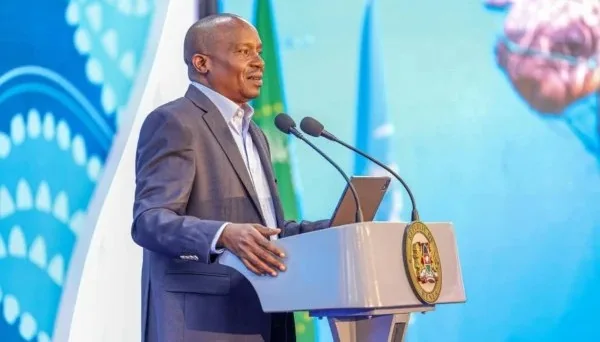
Deputy President Kithure Kindiki has called for stronger international cooperation to address the growing challenges facing the world's oceans as the 11th Our Ocean Conference officially opened in Mombasa.
The conference, being held in Africa for the first time, has brought together government officials, scientists, conservation organisations, international agencies and private sector representatives to discuss marine conservation, climate resilience and the Blue Economy.
Representing President William Ruto at the summit, Kindiki urged countries to move beyond pledges and translate commitments into concrete action to protect marine ecosystems.
He noted that oceans have long supported global trade, food systems and cultural connections while playing a critical role in the world economy.
"The ocean has been our highway of trade, our source of nourishment, our cradle of heritage, and our bridge to the world," Kindiki said.
He said the global ocean economy is currently valued at about $3.3 trillion annually, accounting for roughly 2.5 per cent of global GDP. The sector is expected to grow further by 2030, driven by industries such as shipping, fisheries, tourism, offshore energy and marine biotechnology.
Kindiki emphasised that the Blue Economy should not be viewed solely as a source of economic gain but also as a vehicle for protecting marine ecosystems and securing ocean resources for future generations.
"However, the Blue Economy is not simply about extracting value from the ocean. It is about stewardship, equity, and resilience," he said.
He highlighted the need to protect coastal ecosystems such as mangroves and coral reefs, warning that their degradation threatens biodiversity and the livelihoods of communities that depend on marine resources.
"There is no doubt these extraordinary challenges continue to alter and undermine the fragile ocean ecosystem, threatening biodiversity and the livelihoods of people and communities that depend on the ocean. This state of affairs is unsustainable," Kindiki said.
The Deputy President reaffirmed Kenya's support for international efforts to improve ocean sustainability, including commitments under the Paris Agreement, the Kunming-Montreal Global Biodiversity Framework, and the global target of protecting 30 per cent of marine and coastal areas by 2030.
He also reiterated Kenya's backing for the implementation of the Biodiversity Beyond National Jurisdiction (BBNJ) Agreement and global efforts to combat plastic pollution.
"Recognising that marine pollution continues to be a serious environmental, economic and public health concern, Kenya reinforces its commitment to global efforts to end plastic pollution," Kindiki said.
He added that Kenya is expanding marine protected areas, restoring mangrove and seagrass ecosystems, supporting coastal communities, creating maritime employment opportunities and investing in green port systems and ocean-based renewable energy.
Kindiki stressed that international partnerships will be essential in mobilising the financing, technology and innovation needed to address mounting ocean challenges.
The conference has attracted government representatives, scientists, conservation groups and private sector actors from around the world to discuss marine conservation, climate resilience and sustainable ocean use.
Former United States Secretary of State John Kerry warned that climate change, plastic pollution, overfishing and habitat destruction are placing increasing pressure on ocean ecosystems.
"We cannot have a healthy planet unless we have a healthy ocean," Kerry told delegates.
He noted that oceans produce nearly half of the oxygen people breathe, support food systems for billions of people and absorb a significant share of the excess heat generated by greenhouse gas emissions.
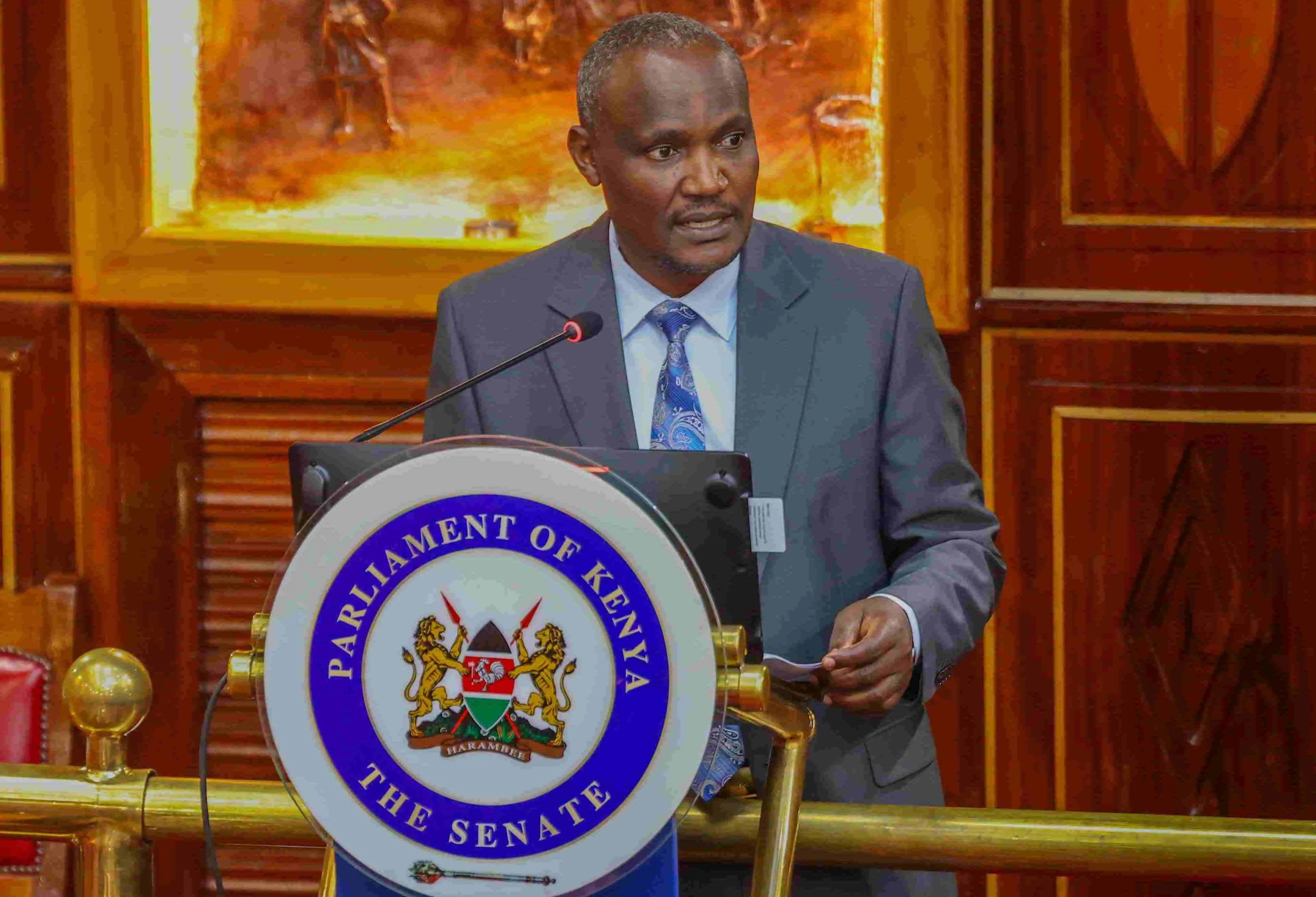
Cabinet Secretary for Mining, Blue Economy and Maritime Affairs Ali Hassan Joho said discussions at the conference should prioritise tackling illegal, unreported and unregulated fishing, marine pollution and biodiversity loss.
Mombasa Governor Abdulswamad Shariff Nassir said the county government is working to reduce pollution entering the Indian Ocean through improved waste management systems and measures targeting waste generated by vessels docking at the Port of Mombasa.
He also said a wastewater treatment project supported by a $3 million investment pledged by the national government is underway to strengthen environmental management in the county.
Delegates attending the conference are expected to announce new commitments and partnerships aimed at advancing marine conservation, climate adaptation and support for communities that depend on ocean resources.
The summit is being held under the theme, "Our Ocean, Our Heritage, Our Future", with discussions focused on turning global ocean commitments into measurable action.


























Comments
Sign in with Google to comment, reply, and like comments.
Continue with Google