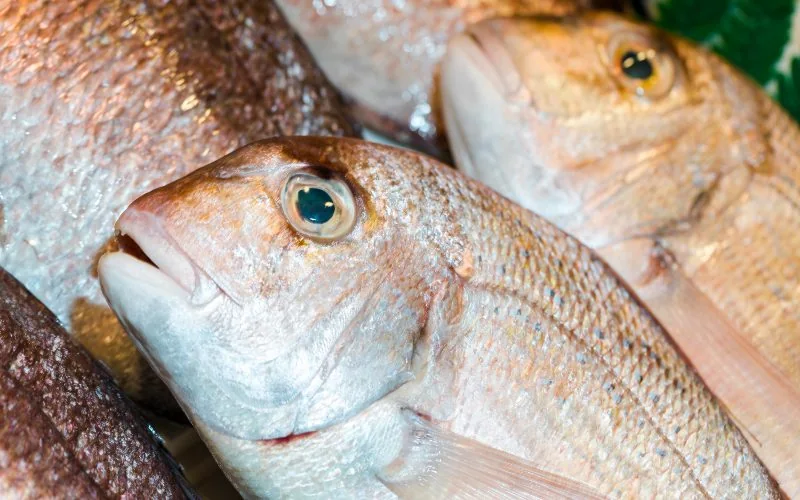
Global fisheries and aquaculture production reached its highest level on record in 2024, but a new United Nations (UN) report has warned that Africa could struggle to maintain current levels of fish consumption unless production increases significantly over the coming decades.
The findings were released in Mombasa during the launch of the 2026 State of World Fisheries and Aquaculture (SOFIA) report by the Food and Agriculture Organisation (FAO).
According to the report, worldwide fisheries and aquaculture output rose to 235 million tonnes in 2024. The total included 195 million tonnes of aquatic animals and a further 40 million tonnes of algae and seaweed products.
The report indicates that aquaculture continues to account for a growing share of global aquatic food production. For the first time, farmed aquatic animal production exceeded 100 million tonnes, marking a significant increase compared with previous years.
Meanwhile, capture fisheries produced 92 million tonnes, maintaining a relatively stable trend that has persisted for several decades.
Researchers found that 46 countries now produce more aquatic animals through aquaculture than through wild capture fisheries, reflecting a shift in how fish and other aquatic foods are supplied to consumers.
The report also highlights the growing importance of aquatic foods in global diets. Nearly nine out of every 10 aquatic animals produced worldwide are consumed directly by people. Average annual consumption reached 21.3 kilograms per person in 2024, the highest figure recorded to date.
While Asia remains the dominant producer of farmed aquatic foods, accounting for almost nine-tenths of global aquaculture output, Africa has registered some of the fastest growth rates in the sector over the past two decades.
However, the report warns that the continent's production growth is unlikely to match projected population increases. FAO estimates that Africa will need to raise aquatic food supplies by 67 per cent by 2050 to maintain current levels of per-capita consumption.
By comparison, the global increase required over the same period is estimated at 19 per cent.
The report further raises concerns about the condition of global fish stocks. Assessments show that 62.4 per cent of marine fish stocks are being harvested within biologically sustainable limits, while almost 38 per cent are classified as overfished.
Globally, the fisheries and aquaculture sector remains a major source of employment and income. More than 65 million people work directly in the industry, while hundreds of millions more depend on related activities across processing, transport and trade.
The report estimates that the sector generated a first-sale value of approximately $545 billion (Sh71.4 trillion) in 2024. International trade in aquatic products reached $184 billion (Sh24.1 trillion) during the same period, underlining the sector's contribution to food security and national economies.
The findings come as governments and international agencies increasingly focus on expanding sustainable food production while addressing pressure on marine resources and the impacts of population growth.















































Comments
Sign in with Google to comment, reply, and like comments.
Continue with Google