Members of Parliament have been warned against voting in the Finance Bill, 2026, in its current form, amid concerns that several proposals could undermine local manufacturing, increase production costs and threaten jobs created by Kenyan industries.
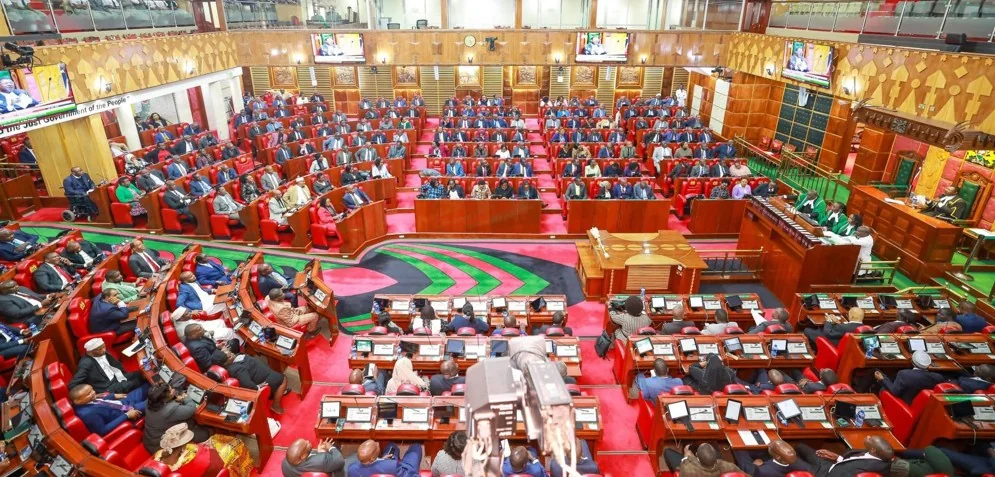
The National Assembly will today take a vote on the Bill, as legislators decide the fate of the proposed tax changes that have attracted support and opposition from different sectors.
In a statement on Thursday, Kiambu Senator Karungo wa Thang’wa urged the legislators to reject or amend the Bill, arguing that it favours imported finished goods at the expense of local assembly companies.
He said the Bill should have focused on creating jobs, supporting industries, improving youth livelihoods and growing local manufacturing, but instead risks hurting businesses and workers.
“It is a jobs destruction Bill. It is an industry-killing Bill. It is a Bill that punishes local assembly, rewards importation and threatens to render our youth jobless," he said.
He noted that the biggest concern was the impact of the proposed measures on locally assembled phones and electric motorbikes, which he said have created employment opportunities, trained technicians, supported sales agents and improved access to digital services.
He said the sectors had also helped strengthen the creative economy, modernise boda boda transport, reduce dependence on fuel and save Kenya's foreign exchange.
Karungo argued that the Bill would make it cheaper to import finished products while increasing costs for Kenyan companies that assemble products locally.
“The Finance Bill 2026 makes it cheaper to import finished products while making it more expensive for Kenyan companies to assemble locally. It gives comfort to importers of finished goods while exposing local assemblers to taxes on components, raw materials, spare parts and production inputs,” he said.
He questioned why local assembly companies were facing increased taxes while imported finished products received favourable treatment.
“This raises a serious national question: Why is the Government taxing local assembly companies heavily while empowering the importation of finished goods? Why should the cost of locally assembled phones rise by about 44 per cent, while imported finished phones reduce by about 24 per cent?” he posed.
The Senator clarified that the concern was not about punishing importers and traders, saying they also contribute to the economy.
“Let me be clear: we are not asking Parliament to punish importers by taxing them heavily. Importers and traders are also Kenyans, and they, too, contribute to our economy. What we are asking for is fairness. What is good for the goose must also be good for the gander. If the Government has zero-rated or exempted finished imported products, then the same treatment must apply to the components, raw materials, spare parts and production inputs used by local assemblers," he said.
He warned that passing the Bill without amendments could force companies to shut down, affect investments and increase costs for workers and consumers.
“Why should a phone or e-bike assembled by Kenyan youth become more expensive than a finished product imported from outside Kenya? If this Bill passes as it is, companies will close, assembly lines will go silent, investors will withdraw, factory jobs will be lost, sales agents will lose income, boda boda riders will face higher costs, and Kenya's dream of becoming a tech-manufacturing and e-mobility hub will be betrayed," Karungo said.
He emphasised that Kenya cannot achieve industrial growth by increasing pressure on local manufacturers while encouraging imports.
“A country cannot import its way into industrialisation. A country cannot tax its factories to death and still claim to be creating jobs. A country cannot preach Buy Kenya, Build Kenya while taxing the Kenyan assembly and rewarding finished imports. If these job-killing clauses cannot be removed, then the Bill must be rejected in its entirety," he said.
Meanwhile, DCP Party leader Rigathi Gachagua has instructed members allied to the party in the National Assembly to vote against the Bill and remain in the House to ensure a Division vote.
He noted that the vote on the Bill would determine whether elected leaders stood with Kenyans or supported measures he described as harmful to citizens.
"At the end of the day, the people of Kenya will know whether their elected representative supports measures that oppress them more or cares for them. Our DCP allied members have instructions to vote against the Finance Bill 2026 and stay in the House to force a Division. The People of Kenya must know who is for or against them," he said.
At the same time, the Consumer Federation of Kenya (COFEK) has moved to court, challenging several provisions of the Finance Bill, 2026 and seeking conservatory orders to stop their enactment and implementation pending determination of the petition.
COFEK argues that the proposed tax measures could affect consumer protection, privacy, public participation and fair administrative action.
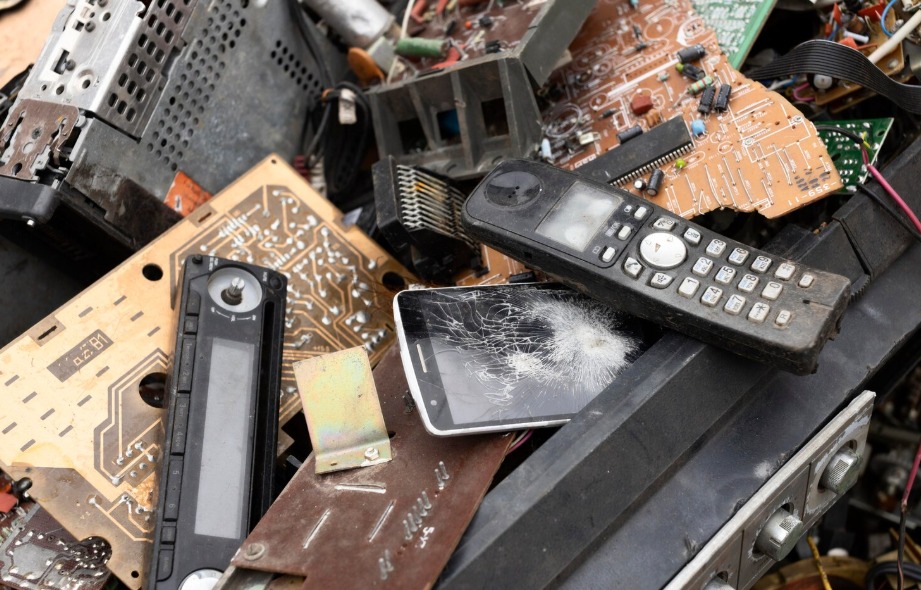
The federation has challenged changes affecting digital payments, scrap metal transactions, virtual assets and the removal of some VAT exemptions and zero-rated supplies. It warned that the measures could increase costs for consumers, including through higher transaction charges, increased prices of essential goods and added pressure on small traders.




































Comments
Sign in with Google to comment, reply, and like comments.
Continue with Google