A proposal to exempt Kenyans earning below Sh30,000 from Pay-As-You-Earn (PAYE) has been shelved by Members of Parliament, despite support from tax experts and industry players who argued that the move would increase household income and boost economic activity.
Legislators sitting at the National Assembly Finance and National Planning Committee argued that the Treasury should first explore ways of improving fairness in the personal income tax system without affecting government revenue.
The proposal sought to raise the tax-free income threshold from the current Sh24,000 to Sh30,000 per month and increase personal relief from Sh2,400 to Sh3,000.
During public participation on the Finance Bill 2026, stakeholders, including the Institute of Certified Public Accountants of Kenya (ICPAK), Kenya Bankers Association (KBA) and Deloitte and Touche, backed the proposal, saying it would help workers cope with increased deductions and improve their spending power.
The committee, however, declined to adopt the recommendation, saying the National Treasury should continue examining ways of improving progressivity in the personal income tax system while protecting government revenue.
“The committee therefore recommended that the National Treasury explore the proposal with a view to addressing stakeholders’ concerns,” reads the Committee’s report.
The proposed PAYE changes were among several recommendations presented by stakeholders who argued that workers had faced increased deductions through the Social Health Insurance Fund (SHIF), affordable housing levy and enhanced National Social Security Fund (NSSF) contributions.
The Kenya Bankers Association said Kenya’s PAYE system had high tax rates applied to relatively low income levels compared to other countries.
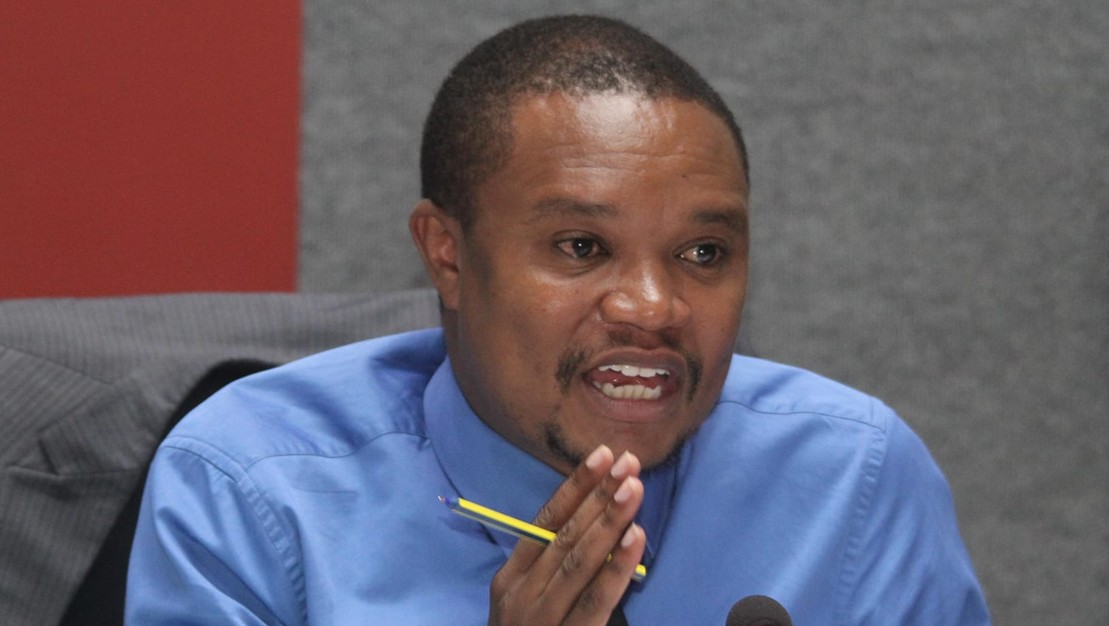
“Kenya’s PAYE tax bands are narrow and steep, with high marginal rates applying at much lower incomes than in peer countries,” KBA Chief Executive Officer Raymond Molenje said in a memorandum to the committee.
“A five per cent PAYE cut expands the economy, creates jobs and increases the country’s tax revenue.”
The bankers’ association argued that reducing PAYE would release more money into households, support businesses that depend on consumer spending and improve economic activity.
A simulation by KBA showed that a uniform five per cent reduction in PAYE across all income bands would release Sh28.1 billion into the economy annually, generate Sh42 billion “in immediate GDP output”, create 36,000 new jobs annually and unlock Sh140 billion in formal lending capacity.
The association further estimated that reducing PAYE by five per cent would generate between Sh27.1 billion and Sh31.5 billion in additional revenue, recovering the revenue lost from the tax reduction within the first year.
Currently, individuals earning up to Sh24,000 per month pay 10 per cent PAYE, while the next Sh8,333 is taxed at 25 per cent. Income on the next Sh467,667 attracts a 30 per cent rate, the next Sh300,000 is taxed at 32.5 per cent, while income above Sh800,000 attracts a 35 per cent tax rate.
Under the KBA proposal, the first Sh30,000 would be taxed at 10 per cent, the next Sh8,333 at 20 per cent, the next Sh461,667 at 25 per cent, the next Sh300,000 at 27.5 per cent, while income above Sh800,000 would be taxed at 30 per cent.
ICPAK said the proposed changes would also bring Kenya’s PAYE system closer to those of other African countries, including Ghana and South Africa.
The institute noted that Ghana has tax bands of 0 per cent, five per cent, 10 per cent, 17.5 per cent, 25 per cent, 30 per cent and 35 per cent, with wider income ranges.
It added that Ghana’s 30 per cent tax rate applies to monthly income above Sh255,000, compared with Kenya, where the same rate applies to income above Sh32,333.
The Finance and National Planning Committee said its decision was guided by the need to balance tax relief measures with the government’s revenue needs as it considered amendments to the Finance Bill 2026.
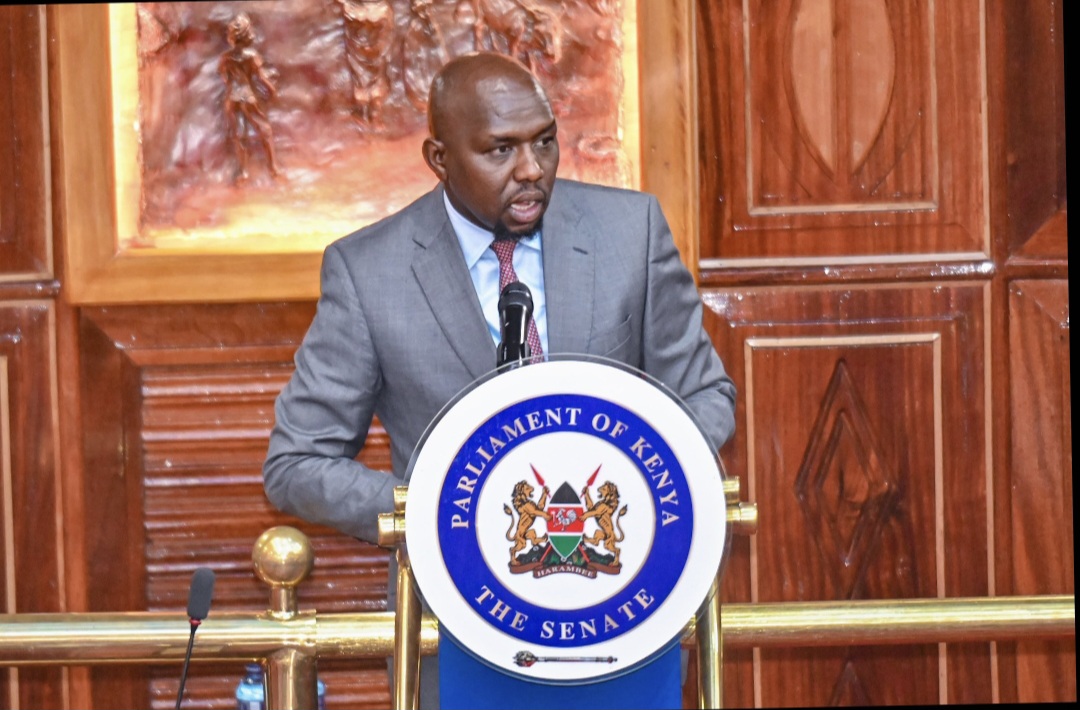
The committee, chaired by Molo MP Kuria Kimani, also recommended changes that would reduce the expected revenue from the Bill from Sh120 billion to Sh98.5 billion.
The Bill was initially projected to raise an additional Sh120 billion for the government as it seeks to finance the Sh4.82 trillion budget for the 2026/27 financial year.
During the second reading of the Bill, Kuria said the committee had to balance revenue collection with protecting taxpayers and supporting economic growth.
“Throughout this process, the Committee was guided by the need to balance revenue mobilisation through administrative reforms with the imperative to support economic recovery, safeguard taxpayers’ rights and promote sustainable growth,” he said.
The committee also rejected several tax proposals contained in the Bill, including measures that would have moved some essential goods and services from VAT zero-rated status to VAT exempt status.
The affected items included locally assembled and manufactured mobile phones, electric motorcycles, electric buses, electric bicycles, solar batteries, lithium-ion batteries, transportation of sugarcane from farms to milling factories and raw materials used in animal feeds.
The committee said these products were recently granted zero-rated status under the Finance Act 2023 to support local manufacturing and reduce the cost of essential goods.
“Reversing this position would increase production costs, discourage investment and undermine predictability in the tax system as well as the objectives of that reform and create uncertainty in the framework,” reads the committee’s report.
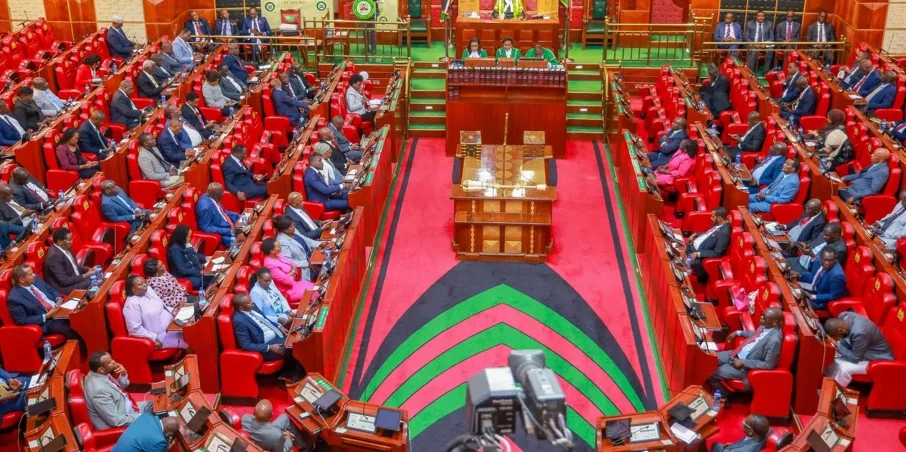
Debate on the Bill is set to continue in the National Assembly today.

























Comments
Sign in with Google to comment, reply, and like comments.
Continue with Google