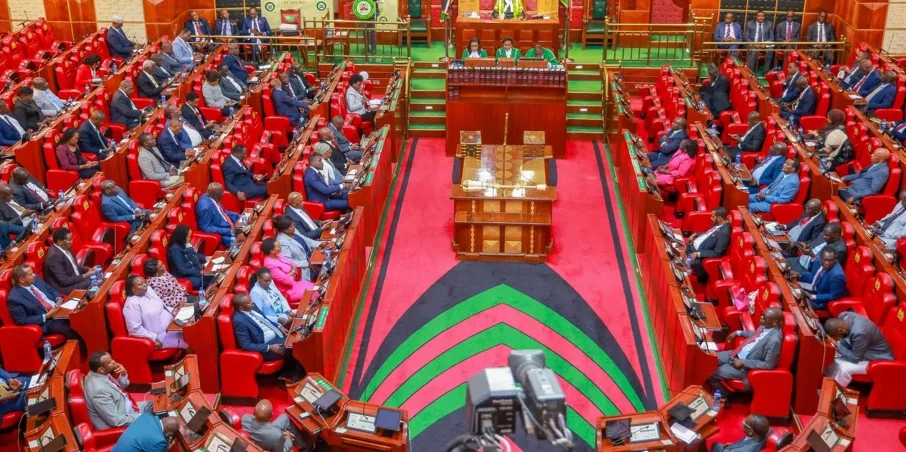
The Finance Bill, 2026, sailed through Second Reading in the National Assembly on Wednesday amid sharp disagreement between Kenya Kwanza MPs and opposition MPs over the pace of debate and proposed tax measures.
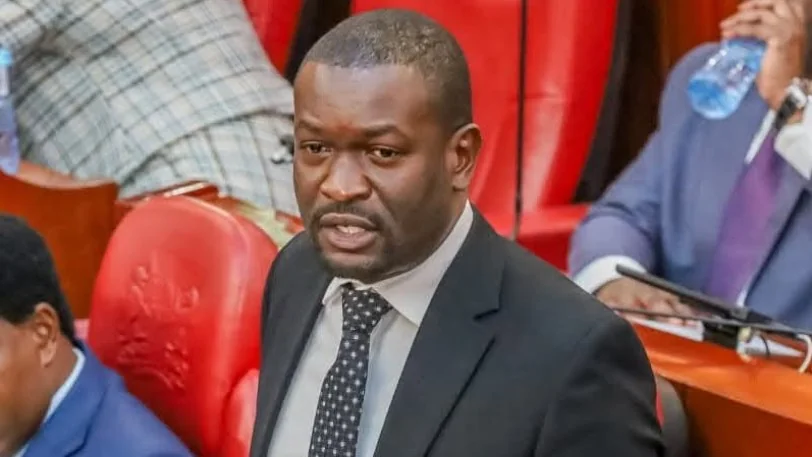
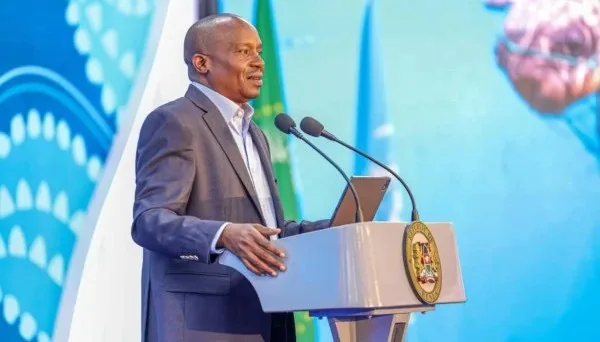
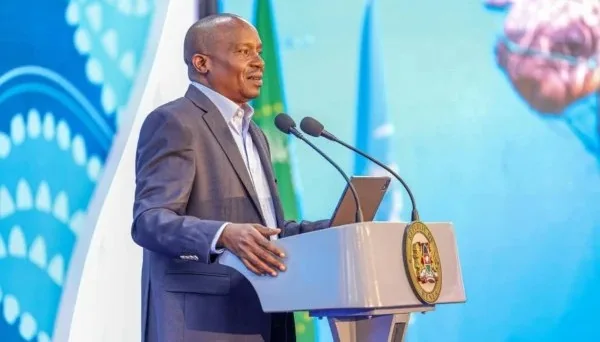
Majority Leader Kimani Ichung’wah dismissed claims by opposition MPs that the Bill was being rushed through Parliament or contained contentious tax provisions, insisting that the legislative process was being conducted in line with parliamentary procedure.
“Every Bill that we legislate will have clauses, and therefore there's nothing that you will ever superimpose on a Bill,” Ichung’wah told journalists at Parliament Buildings.
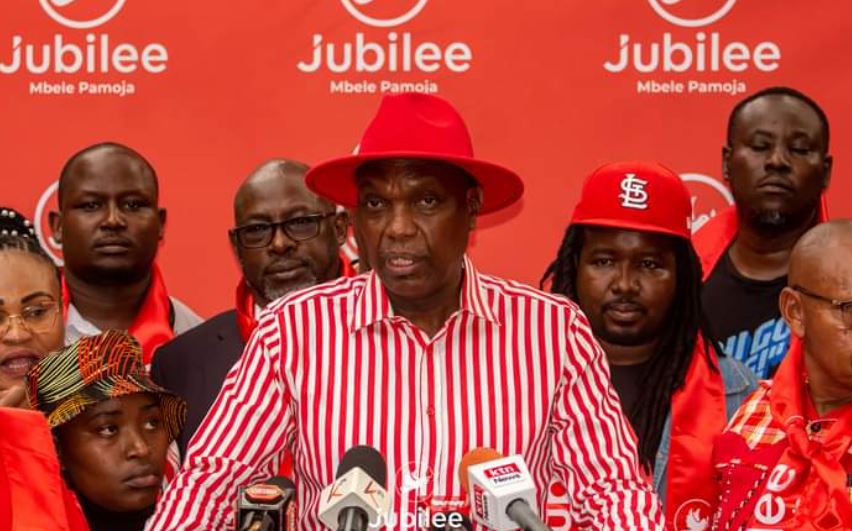
His remarks came shortly after opposition MPs addressed a separate press conference at the same venue, where they accused the Majority side of trying to curtail debate and prematurely move the House towards voting on provisions they said had not been adequately scrutinised.
The claims were dismissed by the Kenya Kwanza side, led by Ichung’wah, who said it was procedurally impossible to introduce new clauses at the Bill’s current stage.
Opposition MPs, however, accused the Majority side of fast-tracking the Bill and limiting adequate scrutiny of its tax proposals. They argued that MPs were not given sufficient time to interrogate key provisions of the proposed law.
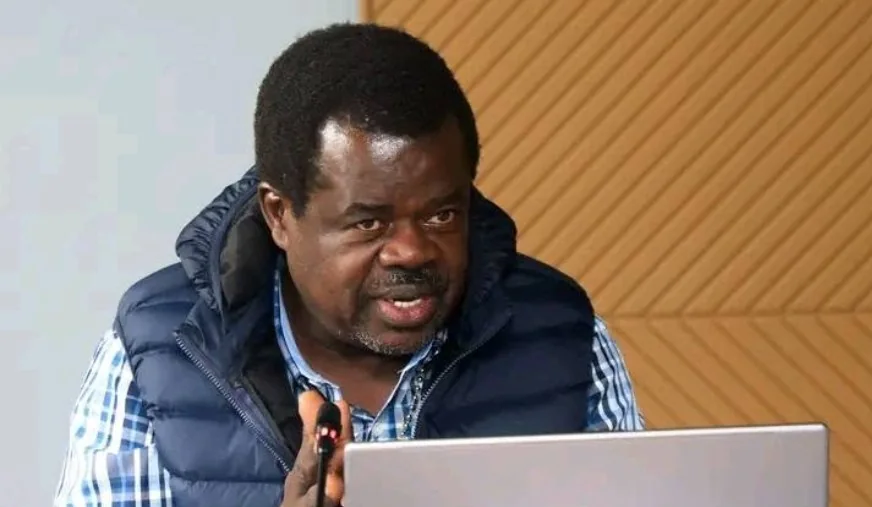
Kajiado North MP Onesmus Ngogoyo claimed that a request for a division vote was declined during the proceedings, raising concerns over how decisions were being made in the House.
“We called for a division, 31 members, and the Speaker refused for us to be head-counted so that people would know who voted yes and who voted no to the Finance Bill as it was proposed,” he said.
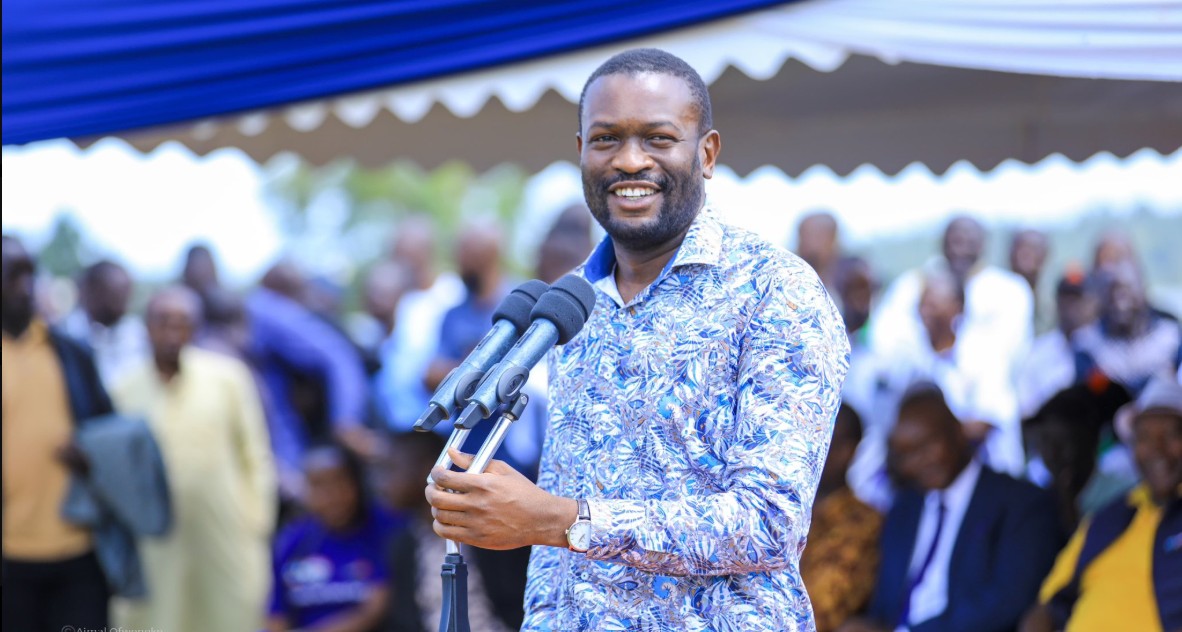
Bumula MP Jack Wamboka also claimed that fewer than 20 MPs were allowed to contribute meaningfully, raising concerns over the depth of parliamentary scrutiny.
Wamboka argued that the Bill imposes broad-based taxation on digital platforms and everyday transactions, warning of rising cost pressures across essential services.
“They are taxing digital platforms big time. People paying for medical services in hospitals are going to be taxed. Parents paying school fees as low as Sh200 are going to be taxed,” he stated.
Kathiani MP Robert Mbui, while defending parliamentary procedure, said detailed clause-by-clause examination would take place at the Committee stage, where amendments are normally introduced.
The Bill now proceeds to the Committee of the Whole House stage, where MPs will consider individual clauses and proposed amendments before a final vote at Third Reading.






























Comments
Sign in with Google to comment, reply, and like comments.
Continue with Google