The Law Society of Kenya (LSK) has pledged to challenge any unconstitutional provisions in the Finance Bill 2026, expressing concern that some proposals could mask public debt and weaken fiscal discipline.
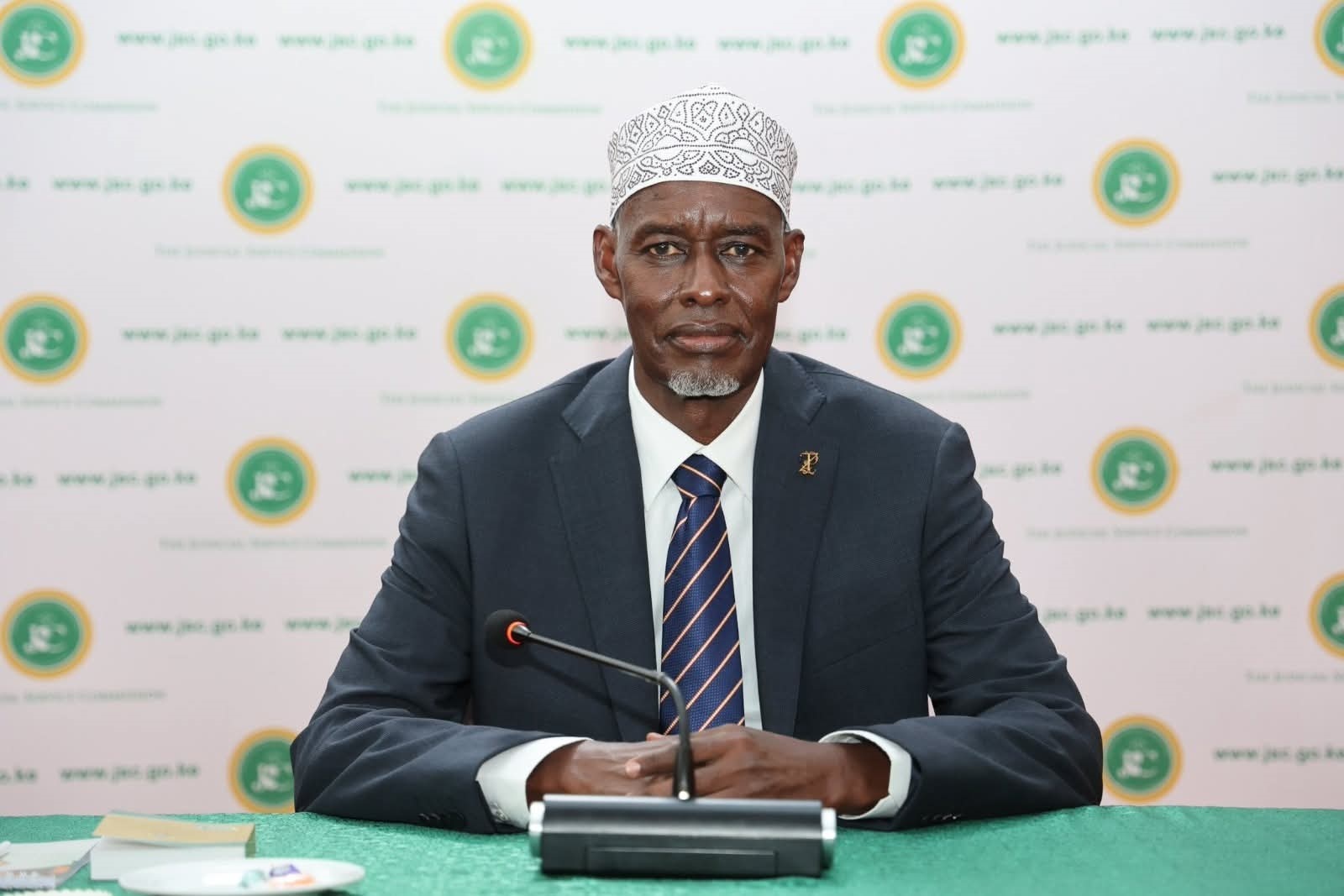
In a statement on Thursday, LSK president Charles Kanjama said the society supports the government’s focus on priority sectors but is wary of the structure of the budget and its financing approach.
“As Treasury CS John Mbadi presents a massive Sh4.8 trillion budget for the 2026/27 financial year, the Law Society of Kenya positioned itself as a constitutional watchdog, scrutinising both the Finance Bill and the Appropriation Bill,” he said.
Kanjama warned that the election-year budget carries a Sh1.11 trillion deficit, which he said does not reflect the economic pressures facing ordinary Kenyans. He added that financing nearly 90 per cent of the deficit—about Sh997.8 billion—through domestic borrowing could tighten credit access for businesses, weaken the private sector, and contravene public finance principles under Article 201 of the Constitution.
While he acknowledged allocations to health and education, Kanjama maintained that public spending must remain transparent, efficient, and free from wastage.
He also raised concerns over proposed “securitisation” measures in the Finance Bill 2026, arguing that pledging future revenue streams such as housing, road maintenance, and railway development levies outside the Consolidated Fund could amount to a hidden debt framework.
According to him, this approach risks understating national liabilities and exposing state agencies to future financial instability.
Kanjama said the Law Society would closely scrutinise the proposals, actively participate in public consultations, and pursue legal action where necessary to safeguard constitutional standards, fairness, equity, and public participation.
“The LSK will not sit idly by as our national liabilities are understated. We will analyse these proposals in meticulous detail, aggressively engage in public consultation phases, and take swift legal action against any provisions that violate constitutional standards on fairness, equity, or mandatory public participation,” he said.
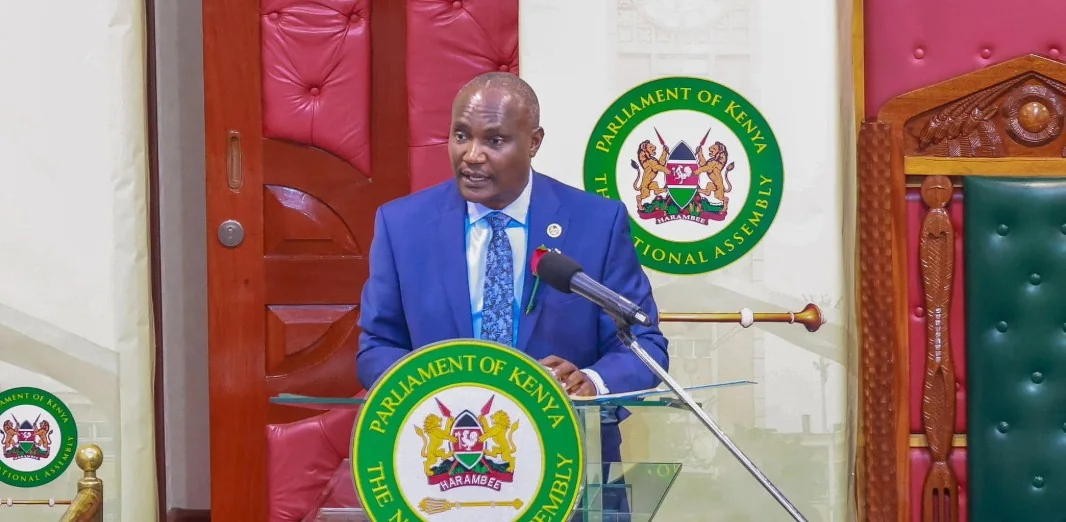
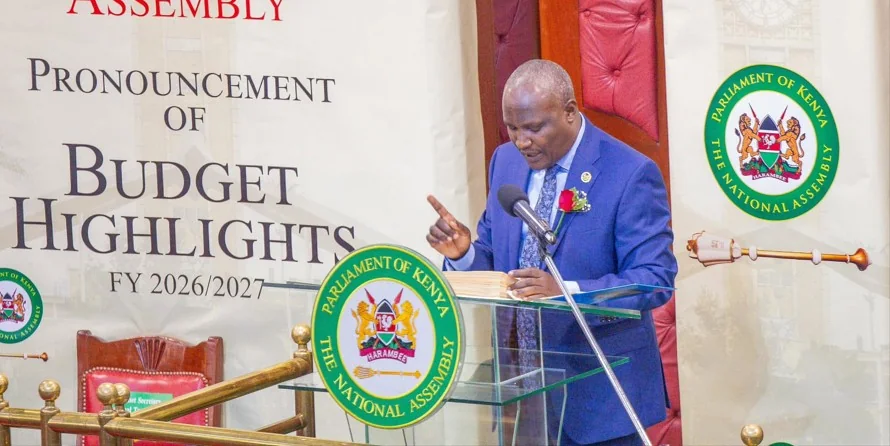
The National Treasury on Thursday unveiled the Sh4.8 trillion national budget for the 2026/27 financial year, outlining how spending will be financed through revenue collection, tax reforms, and borrowing.
In his address before Parliament, Treasury Cabinet Secretary John Mbadi said total revenue is projected at Sh3.631 trillion, including Appropriations-in-Aid, alongside Sh44 billion in grants. Net foreign financing is expected at Sh0.116 trillion, while net domestic financing will amount to Sh1.030 trillion, making local borrowing the primary source of deficit funding.
To bridge the gap, the government has introduced broad tax reforms covering VAT, income tax, excise duty, and customs duty, aimed at widening the tax base and improving compliance. VAT on Mitumba will now apply only at the import stage, with local sales exempt, while the duty-free baggage allowance for travellers has been raised from USD 300 to USD 2,000.
Key VAT exemptions include large commercial aircraft and spare parts, dialysers, public-private partnership projects, and scrap metal.
Income tax changes include exemptions on Capital Gains Tax and Stamp Duty for property transferred into Real Estate Investment Trusts (REITs), a reduction of corporate tax for non-resident petroleum contractors from 37.5 per cent to 30 per cent, and clarification of a 15 per cent tax on repatriated income.
Other measures include simplified taxation for non-resident landlords, revised filing timelines, a 20 per cent withholding tax on winnings, and a 1.5 per cent levy on scrap metal transactions.
On excise duty, Mbadi said bottled water will be exempted to improve affordability, while sugar-sweetened beverages will face higher taxation.
“In recognition of the health associated with excessive sugar consumption, the Bill proposes to increase excise duty on sugar-sweetened beverages from Sh14.14 per litre to Sh20 per litre,” he said.
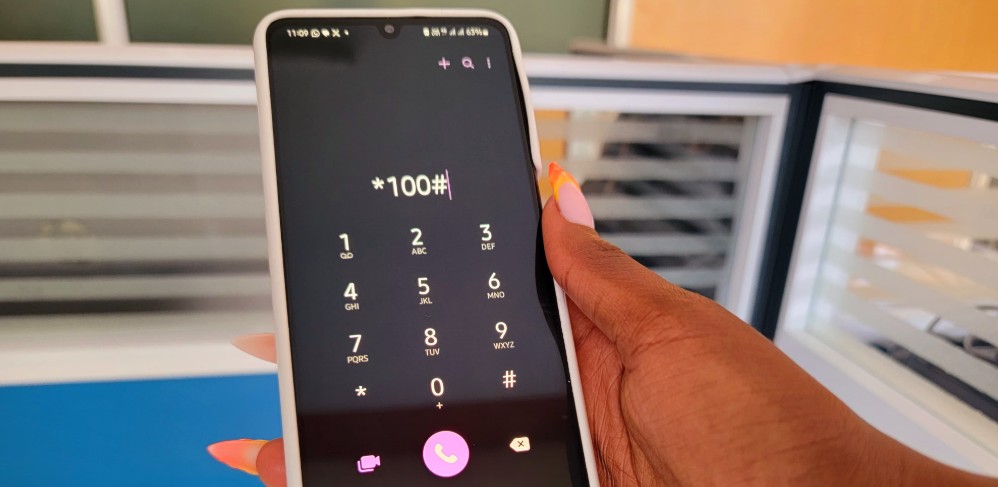
Mobile phone taxation will be consolidated into a single 25 per cent excise duty at activation, while plastic goods will attract a 10 per cent levy aimed at supporting environmental goals. Excise duty on Extra Neutral Alcohol will drop from Sh500 to Sh80 per litre, with the removal of preferential treatment for small brewers.
Customs duty measures include duty-free importation of inputs for smart device assembly and motorcycle parts, with CKD kits attracting a 10 per cent remission. Finished textiles and selected processed agricultural goods will face a 35 per cent duty to protect local industries, while wheat imports will be taxed at 10 per cent under remission and rice will be maintained at 35 per cent. Public-private partnership imports will also be exempt.
The Treasury maintains that the combined approach of tax reforms, compliance improvements, and borrowing will finance the Sh1.146 trillion deficit while supporting priority sectors including health, agriculture, manufacturing, and infrastructure.


















Comments
Sign in with Google to comment, reply, and like comments.
Continue with Google