The National Treasury has proposed allocating Sh8.6 billion to the Digital Superhighway programme in the 2026/2027 financial year, extending a continued decline in spending on Kenya’s ICT sector compared to previous budgets.
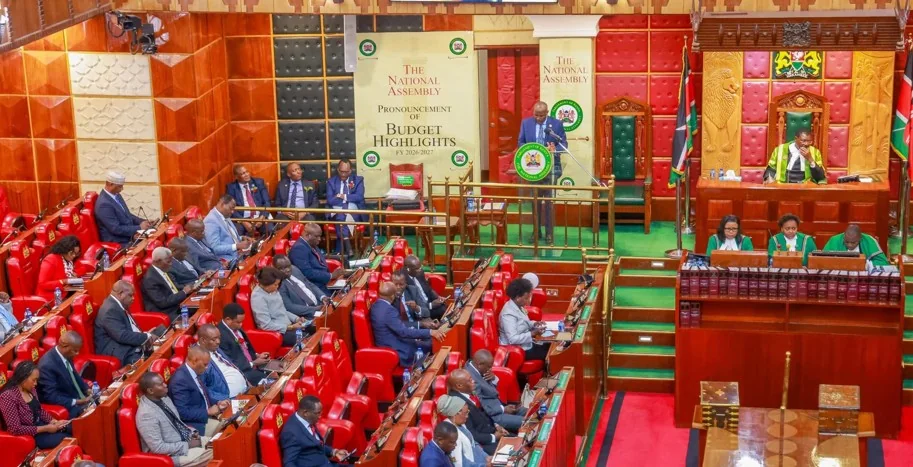
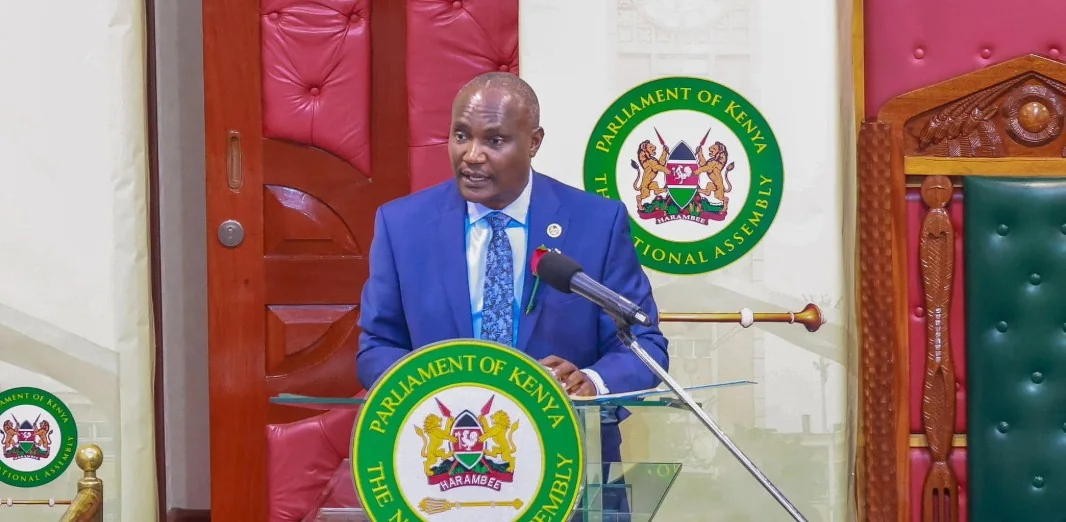
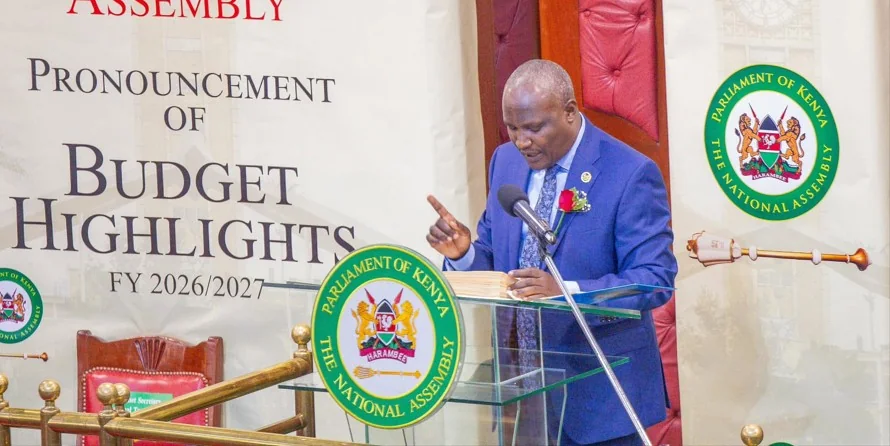
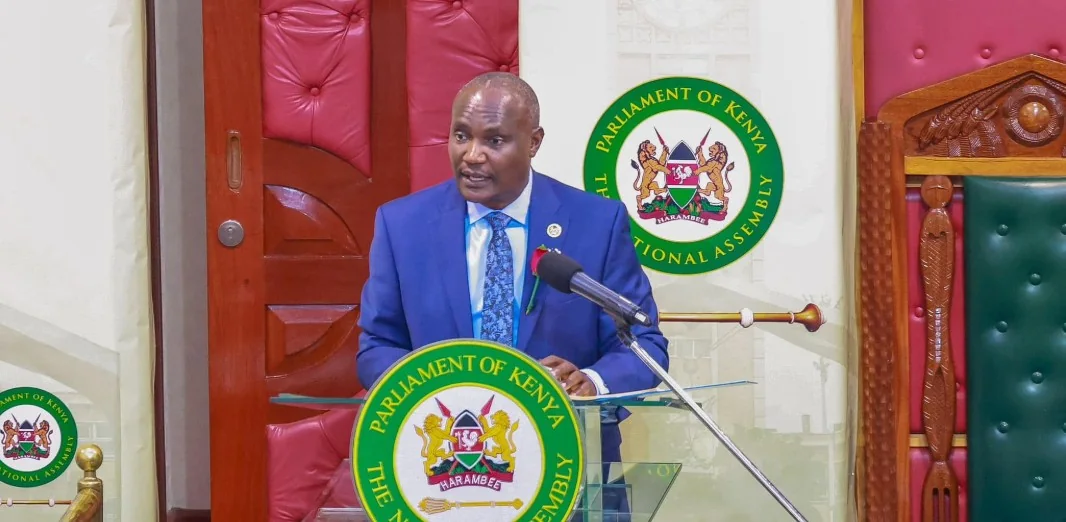
Treasury Cabinet Secretary John Mbadi told the National Assembly on Thursday during the budget estimates presentation that the allocation reflects ongoing fiscal tightening under the Bottom-Up Economic Transformation Agenda (BETA), amid competing national priorities and external economic pressures.
The proposed allocation is lower than Sh12.7 billion in the 2025/2026 financial year and continues a downward trajectory from Sh16.3 billion in 2024/2025.
Despite the reduced overall envelope, the 2026/2027 budget indicates a reordering of priorities within the Digital Superhighway programme, with increased emphasis on the Kenya Digital Economy Acceleration Project, alongside reduced funding for several infrastructure and support systems.
The Kenya Digital Economy Acceleration Project (KDEAP) receives the largest allocation in FY2026/27 at Sh4.3 billion, up from Sh3.7 billion in FY2025/26, making it the only major component to record a clear increase in funding.
In contrast, several key areas register cuts or restructuring. Funding for last-mile county connectivity declines from Sh750 million in FY2025/26 to Sh528 million in FY2026/27, while allocations for government shared ICT services fall from Sh333 million, signalling reduced support for shared digital government platforms.
The Konza Data Center and Smart City project, which received Sh3.1 billion in FY2025/26, does not appear as a distinct major allocation under the 2026/2027 Digital Superhighway breakdown, suggesting a possible shift in its financing structure or prioritisation.
Similarly, funding lines for the Kenya Advanced Institute of Science and Technology (KAIST) and the e-government procurement system, both funded in FY2025/26, are not explicitly listed within the 2026/2027 Digital Superhighway allocations.
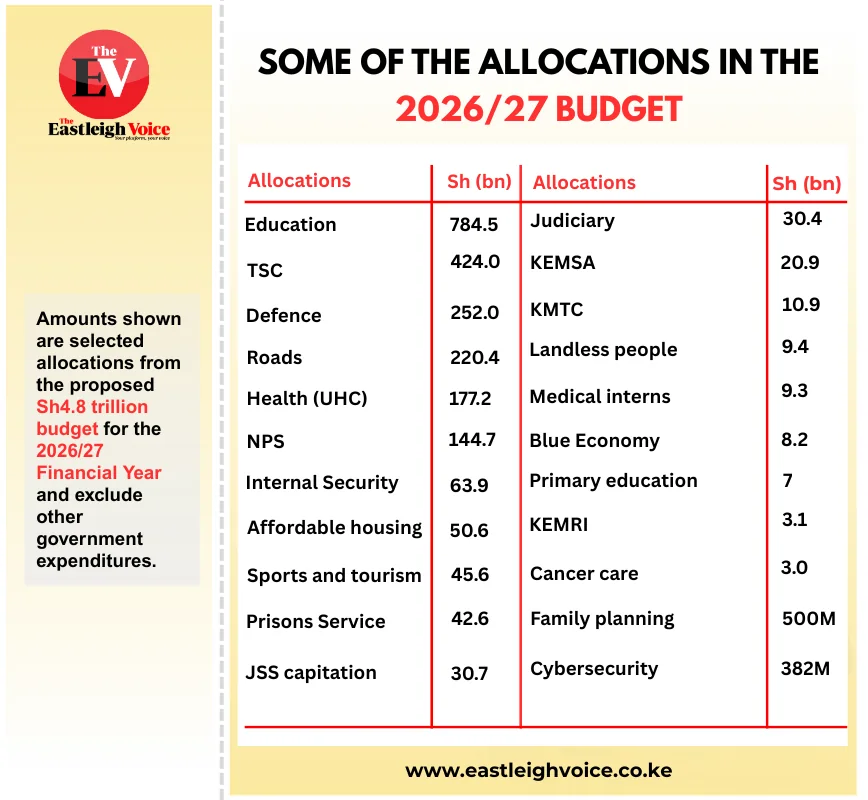
However, the FY2026/27 budget introduces a separate allocation of Sh382 million for cybersecurity, marking the first time it is distinctly itemised under the Digital Superhighway programme.
Other allocations include Sh1.3 billion for fibre backbone maintenance, Sh455 million for ICT infrastructure maintenance, Sh400 million for digital hubs, and Sh309 million for government shared ICT services.
Overall, the figures point to a shift away from large capital-intensive projects such as Konza and KAIST toward maintenance of existing infrastructure, digitisation of government services, and targeted digital economy expansion, with cybersecurity emerging as a newly defined priority area.
The reallocation reflects a broader policy adjustment from large-scale infrastructure expansion toward consolidation, service delivery, and selective digital investment. Parliament will now scrutinise the proposals as part of the wider approval process for the 2026/2027 national budget.






























Comments
Sign in with Google to comment, reply, and like comments.
Continue with Google