Kenya’s Sh4.8 trillion budget for the 2026/27 financial year presents a mixed fiscal picture of restraint, innovation and rising financing pressure, as the government leans more heavily on domestic borrowing to plug a record Sh1.15 trillion deficit.
Treasury projections show total expenditure will reach Sh4.820 trillion against projected revenue and grants of Sh3.674 trillion, leaving a fiscal gap of Sh1.146.2 billion, equivalent to 5.5 per cent of GDP.
The deficit will be financed largely through Sh1.03 trillion in net domestic borrowing and only Sh116.2 billion in external borrowing, signalling a sharp pivot away from foreign debt.
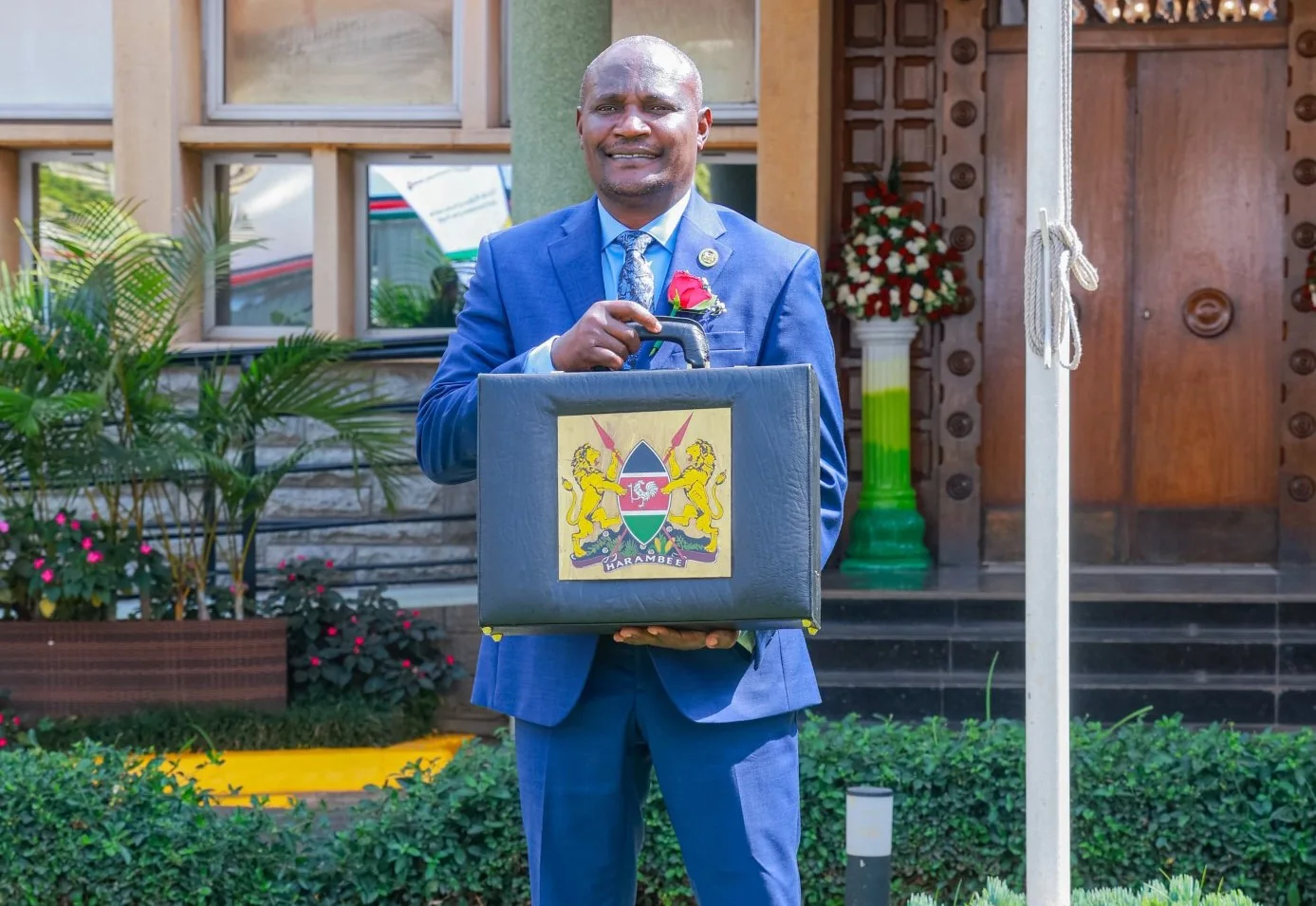
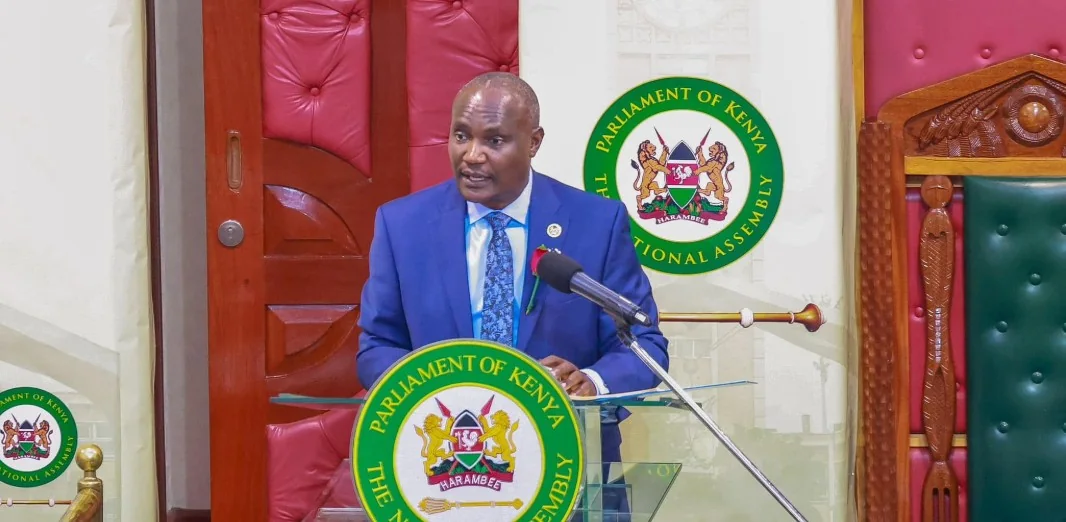
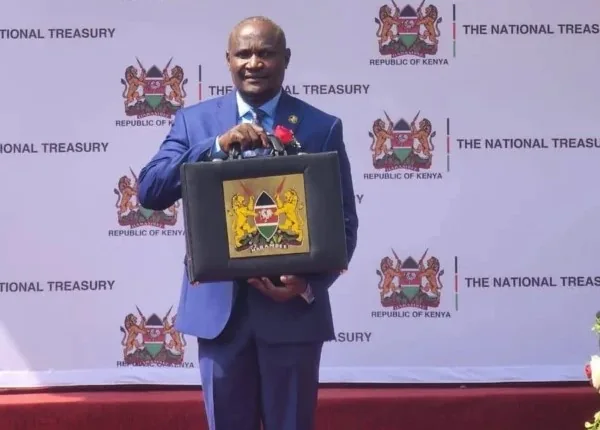
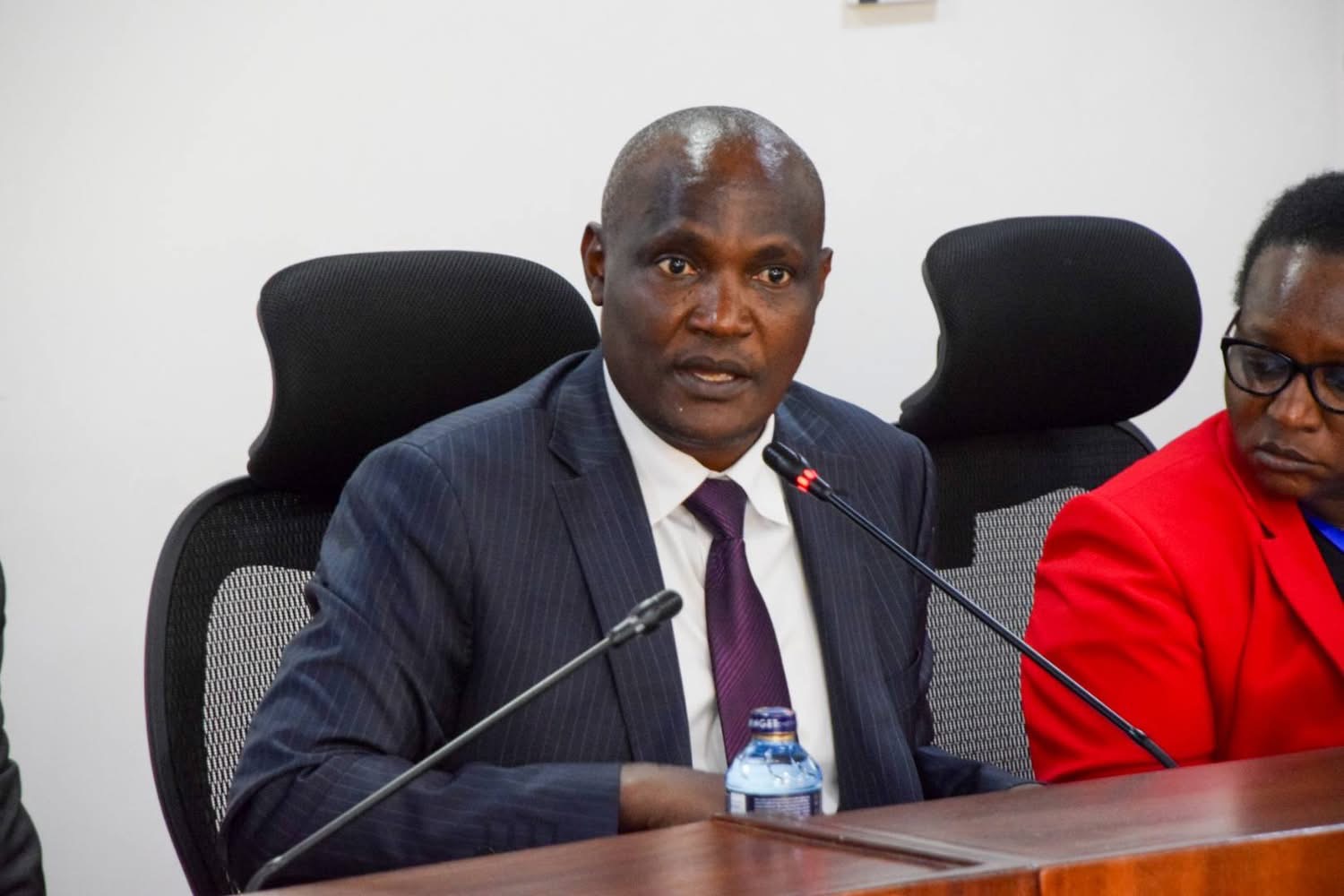
“This budget reflects a careful balance between ambition and realism, ensuring that we live within our means while investing in our future,” Treasury Cabinet Secretary John Mbadi said during the budget presentation on Thursday.
Notably, ordinary revenue is projected at Sh2.985 trillion, while Ministerial Appropriation-in-Aid is expected to contribute Sh644.8 billion. Grants are projected at Sh43.6 billion.
On the spending side, recurrent expenditure dominates at Sh3.568 trillion, with development spending allocated Sh750 billion, including projects funded jointly by domestic and external partners.
Mbadi defended the borrowing strategy, saying debt is a tool for development, but only when managed prudently and sustainably.
He added that fiscal consolidation measures will be anchored on stronger revenue collection and tighter expenditure controls aimed at stabilising debt levels over the medium term.
However, the increased reliance on domestic borrowing raises questions over affordability and crowding-out risks, as government appetite for local financing continues to grow.
While domestic debt is often perceived as cheaper and more flexible, analysts caution that it can still be costly due to high interest rates and competition with private sector credit demand.
To diversify funding sources, the Treasury is also turning to alternative financing instruments, including Shariah-compliant Sukuk bonds, which are structured around asset-backed investments rather than interest-based returns.
“In recognition of the growing global demand for ethical and faith-based financing, the Government is considering the introduction of Sukuk instruments,” Mbadi said.
“These initiatives are designed to broaden the investor base, optimise the cost–risk profile of public debt and enhance overall resilience in debt management.”
Beyond Sukuk, the government is exploring thematic financing tools such as debt-for-development and debt-for-food swaps.
This, alongside entry into new markets through Samurai Bonds in Japan and Panda Bonds in China.
Mbadi notes these measures aim to reduce reliance on traditional borrowing channels while improving debt sustainability.
“These instruments provide an opportunity to convert external debt obligations into targeted investments that directly support national priorities, including food security, sustainable development and social infrastructure.”
At the same time, the Treasury is rolling out a Development Project Management Information System to improve transparency and monitoring of externally funded projects, ensuring better accountability and value for money in public spending.
While the financing strategy signals innovation and diversification, the scale of domestic borrowing remains a key concern.
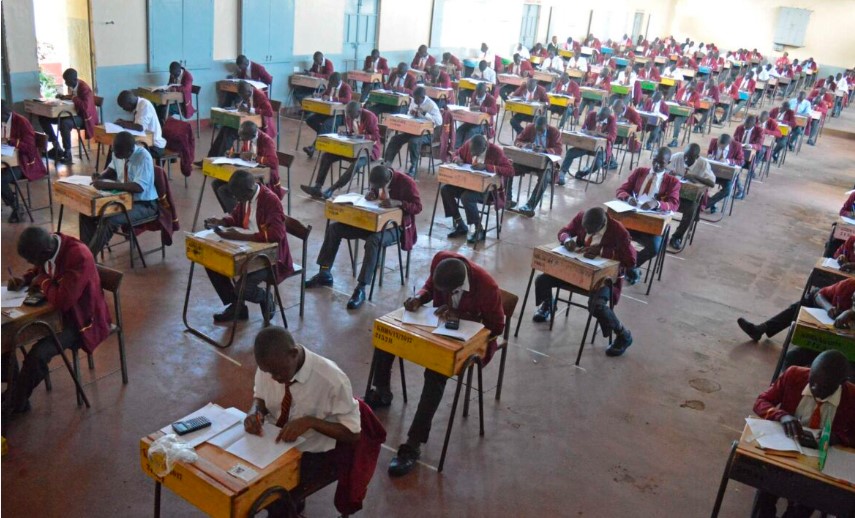
The largest share of national government ministerial allocations goes to Education, which has been allocated Sh784.5 billion, accounting for 26.8 per cent of total allocations.
Energy, Infrastructure and ICT follow with Sh531.3 billion, representing 18.2 per cent of allocations.
The funding underscores the government’s push to expand connectivity, transport networks, power infrastructure and digital transformation initiatives as key enablers of economic growth.
In third place is Public Administration and Internal Relations, which has been allocated Sh373.7 billion, or 12.8 per cent of total spending.
Closely behind is Governance, Justice, Law and Order, which has received Sh363.9 billion, equivalent to 12.4 per cent.
National Security is allocated Sh316.2 billion, representing 10.8 per cent of the budget, followed by the Health sector, which has been allocated Sh177.2 billion or 6.1 per cent.
Further down the list, Environment Protection, Water and Natural Resources is allocated Sh121.2 billion (4.1 per cent), while Agriculture, Rural and Urban Development receives Sh111.7 billion (3.8 per cent).
At the lower end of the allocation scale, Social Protection, Culture and Recreation is allocated Sh94.3 billion (3.2 per cent), while General Economics and Commercial Affairs receives the smallest share at Sh49.8 billion, or 1.7 per cent of total ministerial allocations.


























Comments
Sign in with Google to comment, reply, and like comments.
Continue with Google