The government has revised down the 2026 economic growth outlook to 5 per cent from an earlier projection of 5.3 per cent, citing the adverse impact of the ongoing conflict in the Middle East on domestic economic activity.
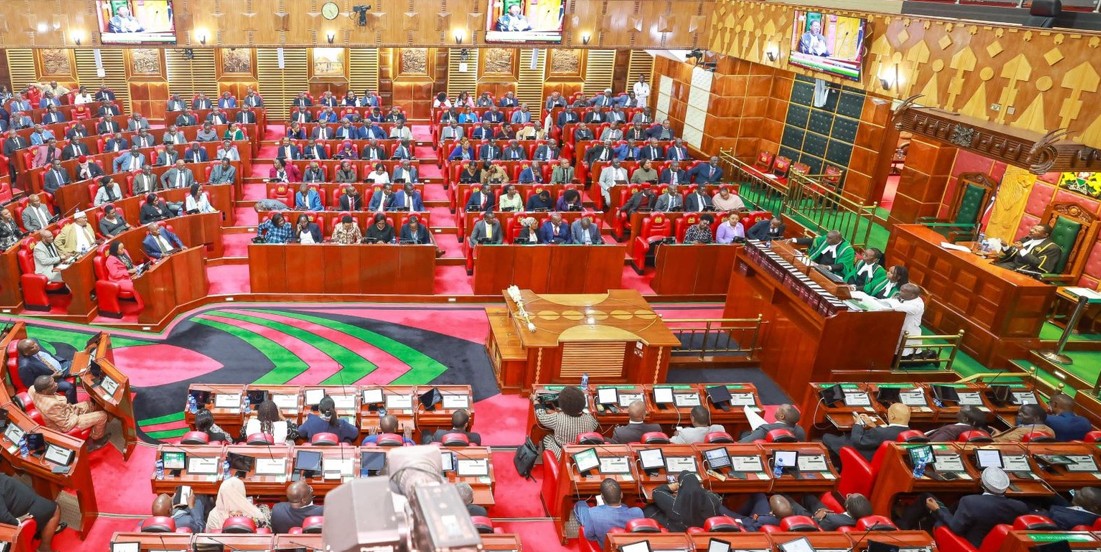
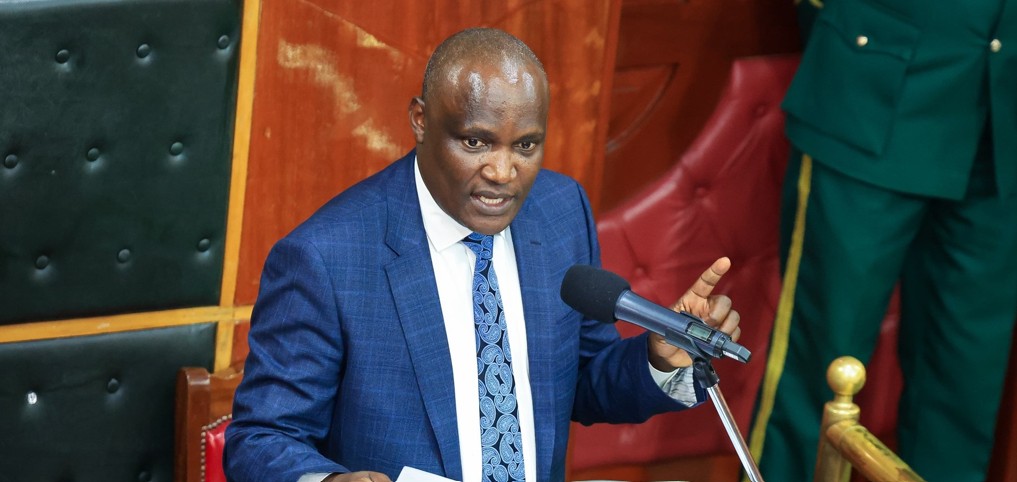
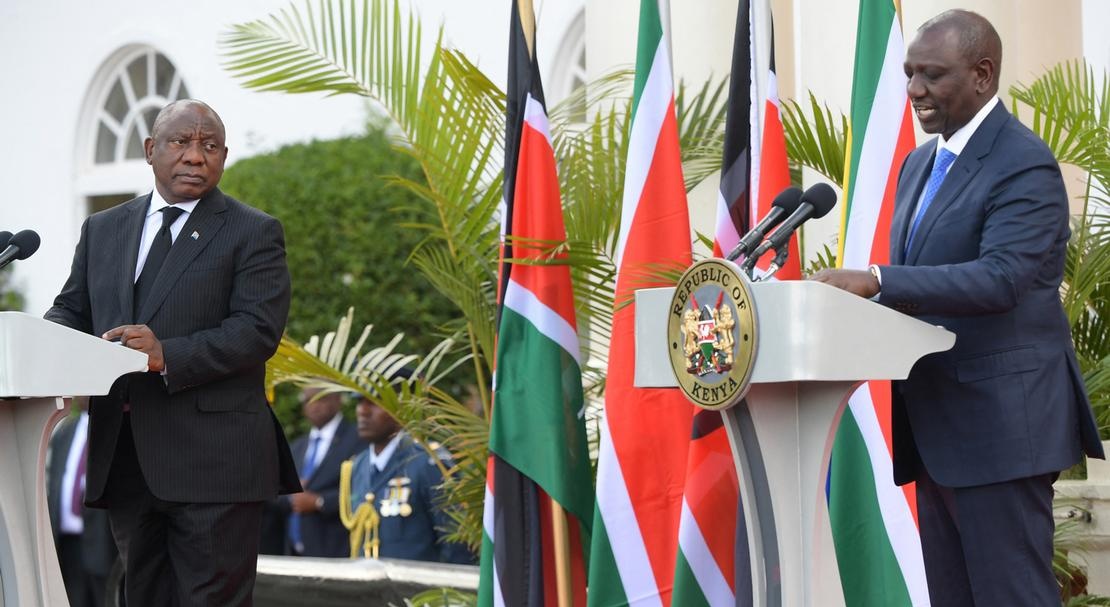
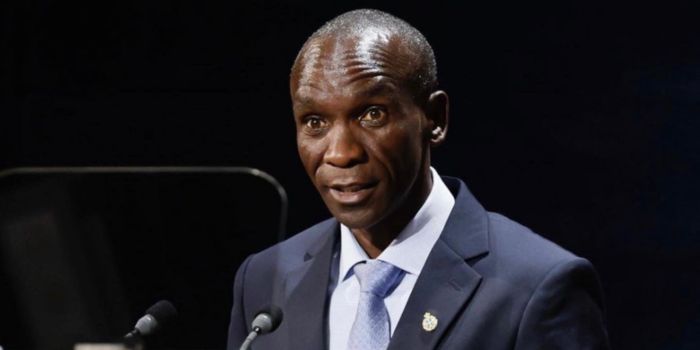
Speaking while presenting the 2026/27 Financial Year Budget in Parliament on Thursday, Mbadi noted that the budget has been prepared under heightened global uncertainty linked to the ongoing conflict in the Middle East.
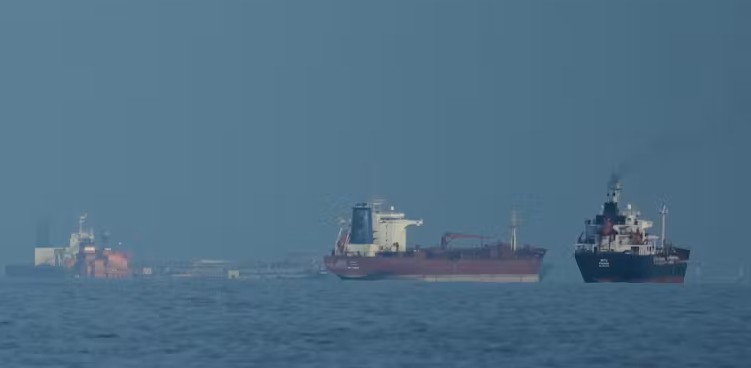
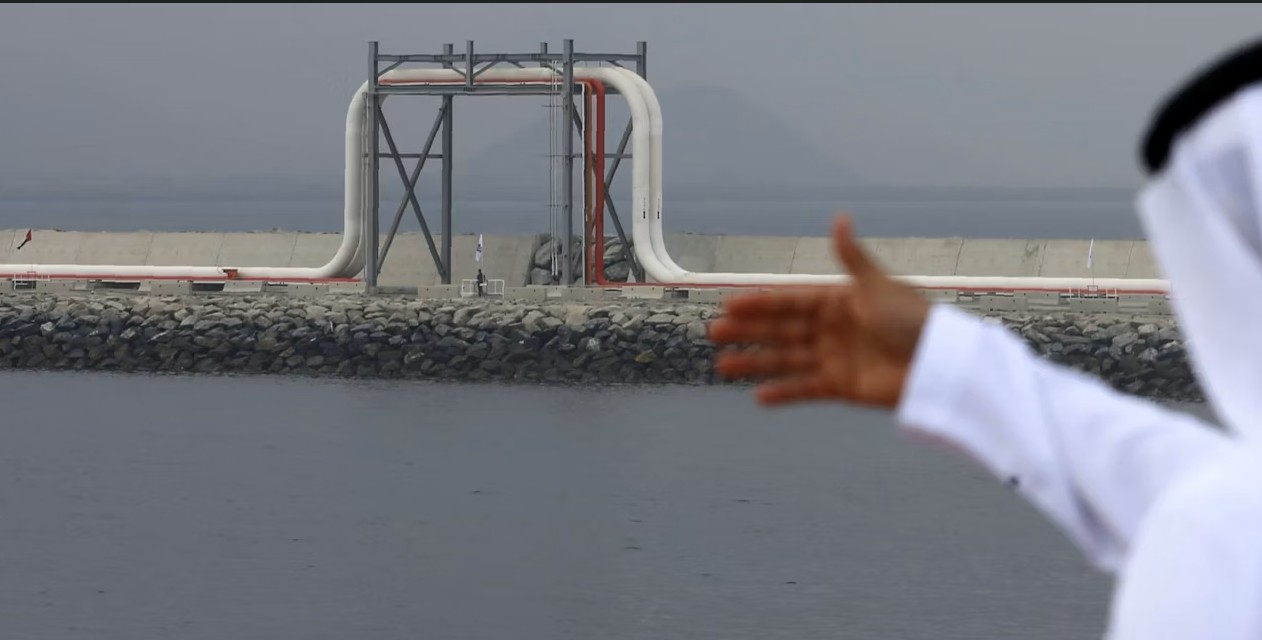
He said the conflict has disrupted critical energy infrastructure and major shipping routes, including the state of homelessness, leading to increased pressure on global energy and food prices.
In this regard, the CS said global economic growth is projected to slow to 3.1 per cent in 2026 and 3.2 per cent in 2027, down from an average of 3.4 per cent recorded in 2024 and 2025.
Despite the weaker global outlook, Mbadi said the Kenyan economy has remained resilient, recording an average growth of 5 per cent between 2020 and 2025. He noted that this performance has outpaced both global growth, which averaged 3.4 per cent, and Sub-Saharan Africa’s average of 4.1 per cent over the same period.
“This performance reflects sound macroeconomic policy management, particularly prudent monetary and sound fiscal policies, sustained structural reforms, and increasing diversification of the economy, which has enhanced its capacity to withstand severe shocks,” he said.
He further noted that in 2025, the economy grew by 4.6 per cent compared to 4.7 per cent in 2024, with all sectors recording positive growth.
Mbadi also reported that macroeconomic stability has been largely maintained despite external pressures, although inflation has risen.
“Macroeconomic indicators have remained broadly stable despite emerging external pressures, although these pressures continue to affect domestic prices. Inflation rose to 6.7 per cent in May 2026, up from 5.6 per cent in April and 3.8 per cent in May 2025, mainly driven by higher energy costs linked to elevated global oil prices,” he said.
Despite the increase, Mbadi said inflation has remained within the set target range. He noted that it is expected to stay within this range in the near term, provided there is no escalation of the conflict in the Middle East and supported by appropriate monetary policy measures and government interventions.
Stability is also anticipated in food prices, backed by favourable weather conditions and a stable exchange rate.
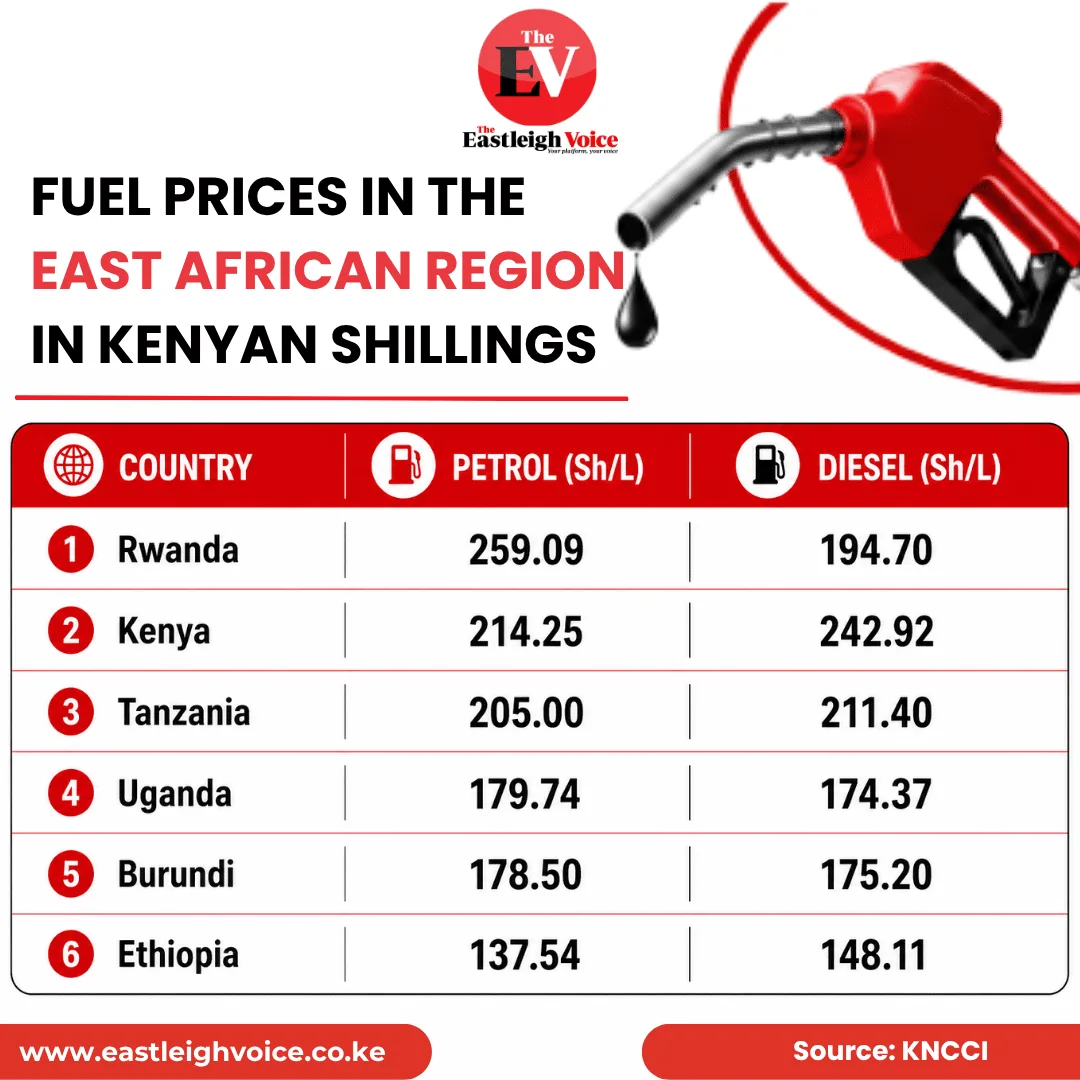
He, however, noted that the government has already rolled out measures to cushion citizens from rising fuel costs.
“In April 2026, the government deployed targeted stabilisation measures to cushion consumers from the full impact of rising global fuel prices. These interventions include the use of resources in the petroleum development levy fund to subsidise the fuel pump prices, and in addition, the government lowered the VAT rate on petroleum products for three months from 16 per cent to 8 per cent,” he said.
On monetary policy, Mbadi said easing measures have helped improve credit conditions in the economy.
“Monetary conditions have eased considerably. This follows a reduction in the central bank rate from 11.25 per cent in December 2024 to the current rate of 8.7 per cent, and I’m happy the CBK maintained the same rate for the time being. As a result, interest rates have declined over the same period,” he said.
”The 91-day treasury bill rate declined about 8.3 per cent in May 2026 from 10.3 per cent in December 2024. Similarly, average commercial banks’ lending rates declined to 14.5 per cent in May 2026 from 16.9 per cent in May 2025 and 17.2 per cent in November 2024, reflecting the decline in the lending rates. Credit to the private sector expanded by 9.3 per cent in the year to May 2026 from 2 per cent in the year to May 2025 and a contraction of 1.4 per cent in December 2024.”
He further said the external sector remains stable despite global risks, with the current account deficit projected at 3 per cent of GDP in 2026 compared to 2.1 per cent in 2025, driven by higher oil prices, weaker service receipts, slower remittances, and reduced exports linked to global tensions.
However, foreign exchange reserves remain strong at $13 billion in May 2026, equivalent to 5.6 months of import cover, providing a buffer against external shocks, while the exchange rate has remained stable at Sh129.4 per US dollar.
Mbadi also highlighted improved performance at the Nairobi Securities Exchange, noting that the NSE 20 Share Index rose by 59.9 per cent to 3,491 points in May 2026 from 2,183 points in May 2025, while market capitalisation expanded by 61.6 per cent over the same period.
However, he noted that between February and May 2026, the index declined by 5.5 per cent due to investor caution amid global uncertainty linked to the Middle East conflict.







































Comments
Sign in with Google to comment, reply, and like comments.
Continue with Google