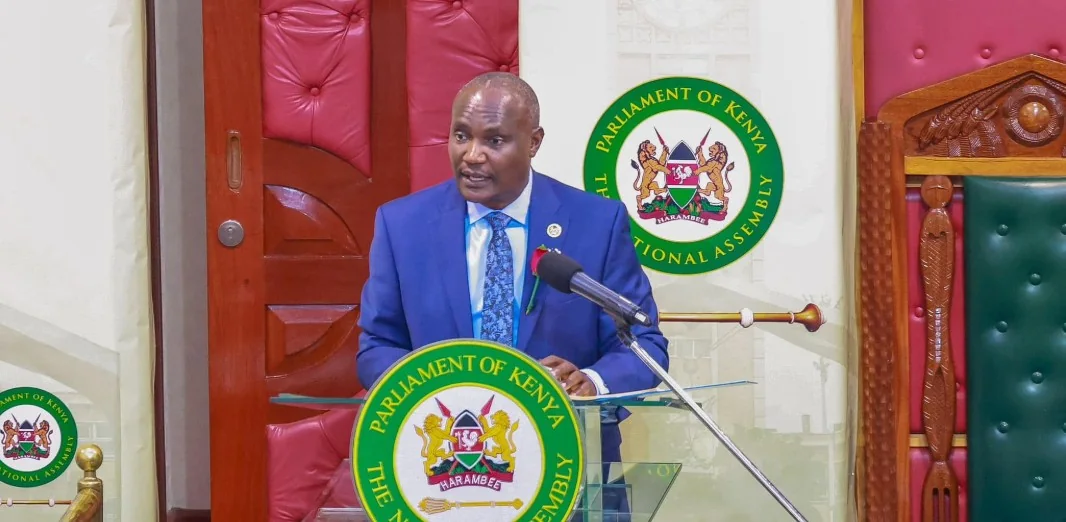
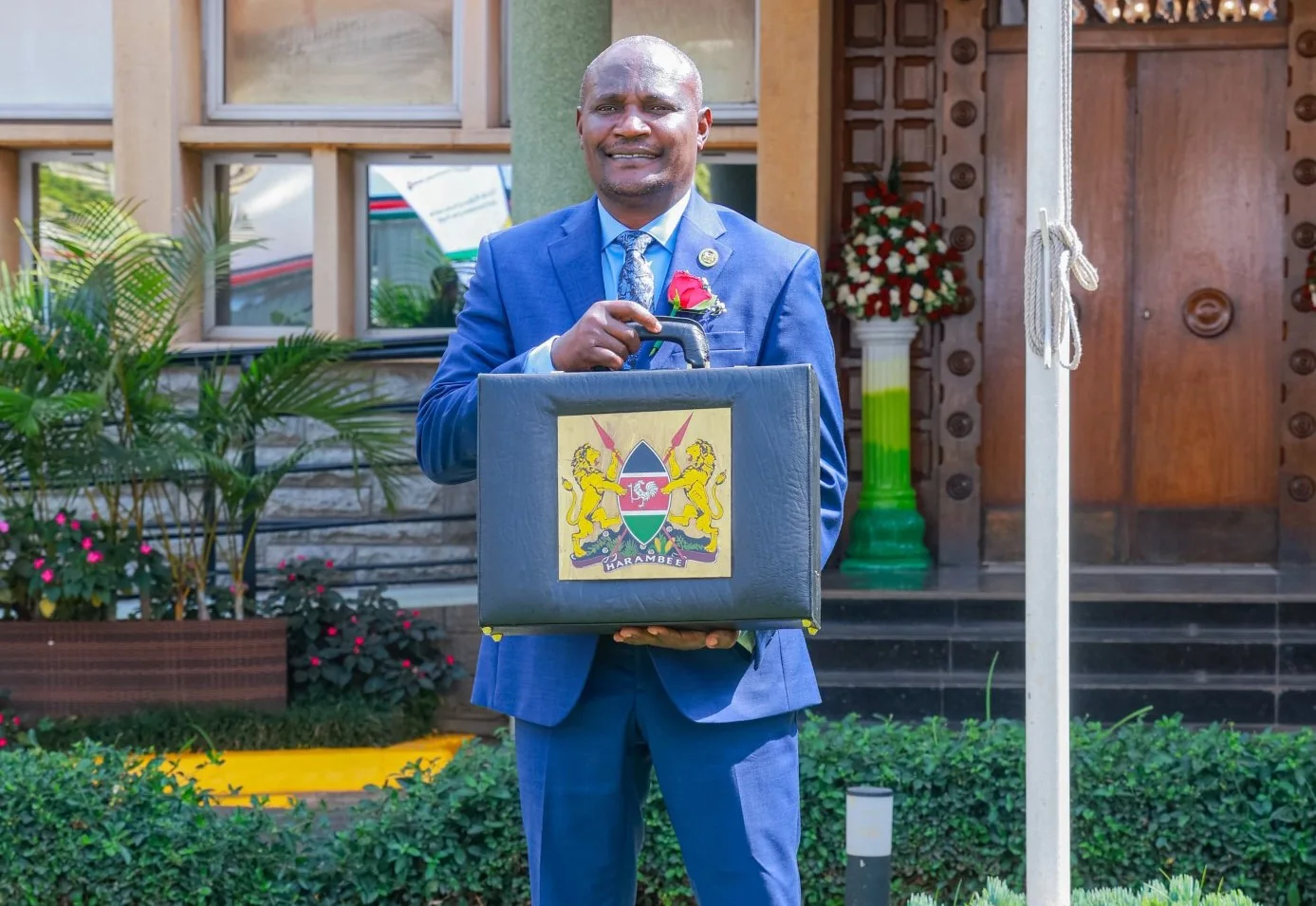
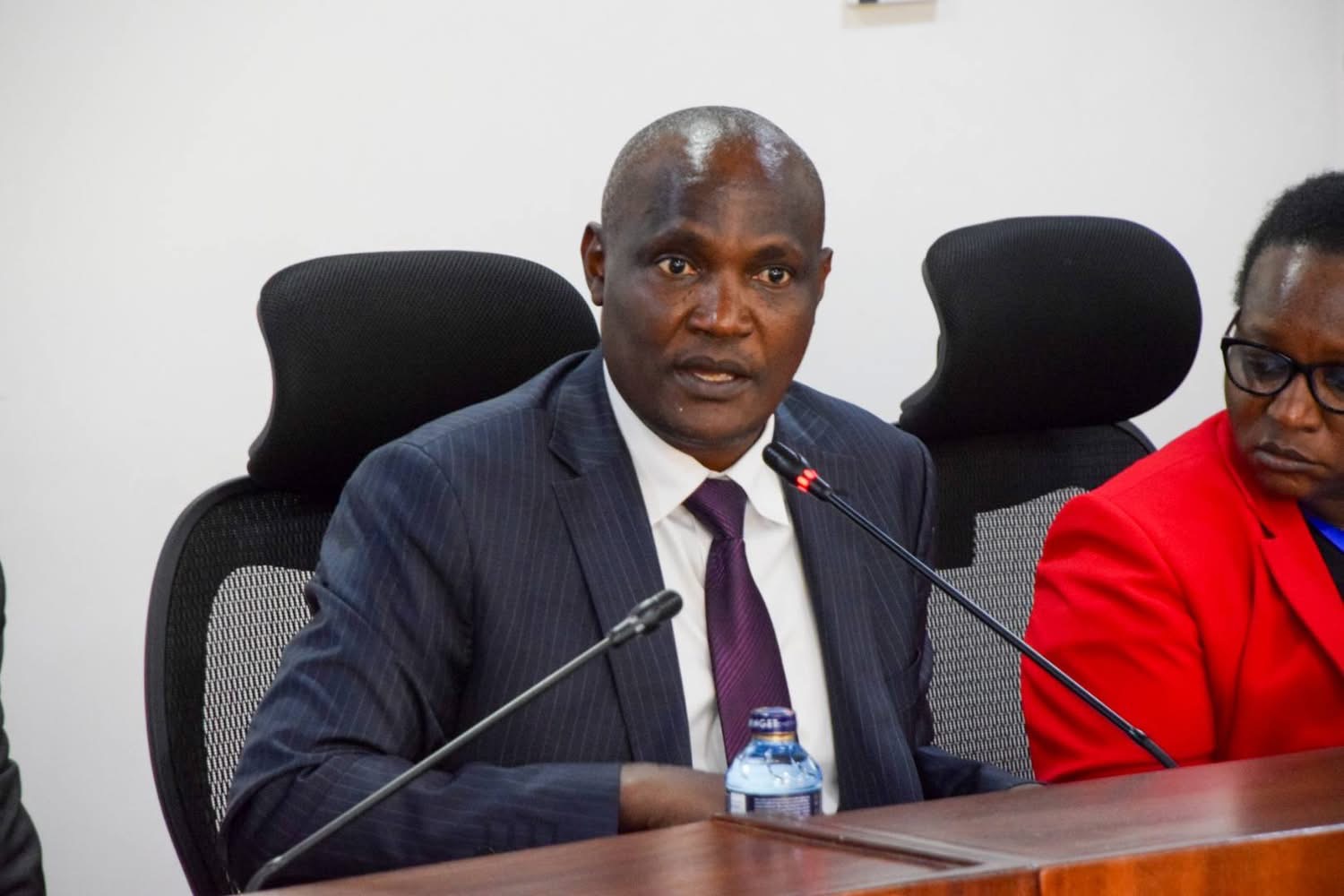
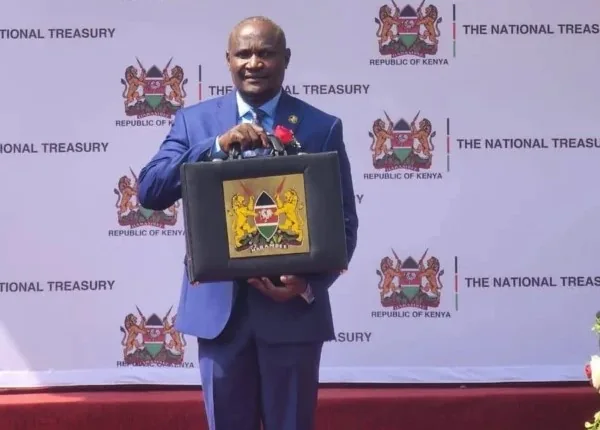
The health sector has been allocated a proposed Sh177.2 billion in the 2026/27 budget, with Treasury Cabinet Secretary John Mbadi stating that the funding is intended to advance Universal Health Coverage (UHC), strengthen essential health services, and improve access to quality care nationwide.
Key allocations include Sh8.6 billion to support UHC staff and Sh19.1 billion for the Primary Healthcare Fund, aimed at reinforcing frontline services and improving community-level access to care.
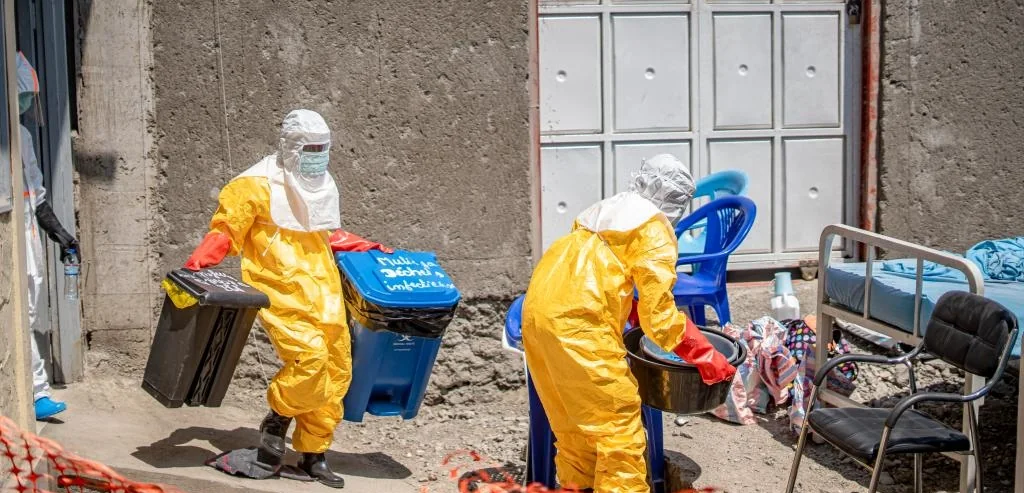
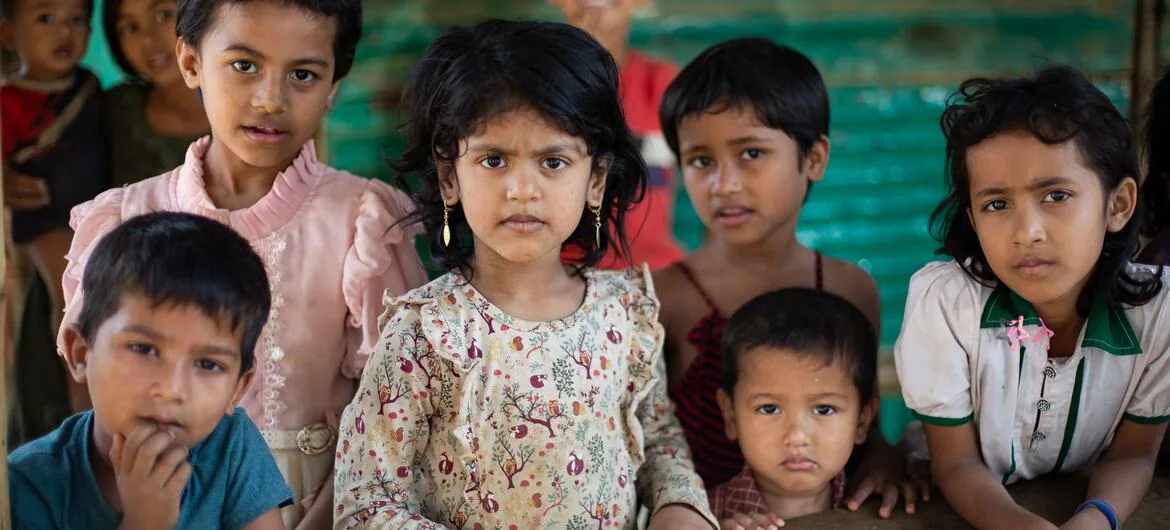
For disease prevention and response, the government has proposed Sh18.5 billion under the Global Fund for communicable diseases, alongside Sh6.4 billion for vaccines and immunisation programmes targeting preventable illnesses among children and communities.
At the referral level, Sh45.3 billion has been allocated to tertiary and national referral hospitals. This includes Sh470 million for new wards and paediatric facilities at Kenyatta National Hospital (KNH), and Sh300 million for renovation works and replacement of obsolete equipment.
Moi Teaching and Referral Hospital is set to receive Sh2 billion for the construction of a 2,000-bed capacity expansion, intended to boost specialised healthcare services.
Cancer care has also received a major boost, with Sh3 billion allocated for emergency and specialised cancer interventions, Sh1 billion for the development of a cancer centre, Sh300 million for strengthening cancer management services, and Sh150 million for expanding treatment infrastructure at KUTRRH. The investments are expected to improve diagnosis capacity and position the country as a regional referral hub for oncology care.
To strengthen medical supplies and research, Sh20.9 billion has been proposed for KEMSA to improve supply chain systems, while Sh3.1 billion is earmarked for KEMRI to support research and innovation.
Reproductive and preventive health programmes will receive Sh1.3 billion for integrated services, Sh500 million for family planning, and Sh600 million for equipment at the National Blood Transfusion Service.
On human resources for health, the budget proposes Sh9.3 billion for medical interns, Sh10.9 billion for KMTC, Sh3.2 billion for training support, and Sh396 million for student stipends and health insurance.
Overall, the allocations reflect a policy shift towards expanding access, strengthening system capacity, and scaling up specialised care as the country advances toward Universal Health Coverage.
Compared to the previous financial year, the proposed Sh177.2 billion represents an increase from the estimated Sh160 billion allocated to the health sector in 2025/26.
In that year, funding was distributed across similar priorities but at lower levels, including reduced allocations for primary healthcare, referral services, workforce development, medical supplies, and specialised treatment.
In the 2026/27 proposal, primary healthcare funding has risen to Sh19.1 billion, reflecting a stronger focus on prevention and community-based care. UHC staffing support has also increased to Sh8.6 billion, up from lower levels in the previous cycle.
Referral and tertiary care funding has grown to Sh45.3 billion, supporting expansion of specialised services and infrastructure upgrades at national hospitals.
Cancer care funding has been significantly expanded, with structured allocations for treatment, diagnostics, and infrastructure development, compared to more limited funding in 2025/26.
Similarly, KEMSA funding has increased to Sh20.9 billion to improve supply chain efficiency, while combined support for KMTC training and medical internships has risen to over Sh20 billion.
Vaccination and immunisation programmes have also been strengthened, with Sh6.4 billion allocated to enhance preventive healthcare services.




















Comments
Sign in with Google to comment, reply, and like comments.
Continue with Google