Konza Technopolis gets wildlife conservancy status in major push for green smart city model
Konza Technopolis gets wildlife conservancy status in major push for green smart city model

KWS has provisionally registered the Konza Technopolis Wildlife Conservancy, placing 404.69 hectares under protection as part of efforts to integrate biodiversity conservation into the smart city’s development model.

The Kenya Wildlife Service (KWS) has provisionally registered the Konza Technopolis Wildlife Conservancy, bringing 404.69 hectares within the Konza Technopolis smart city under formal conservation status in a move aimed at strengthening biodiversity protection alongside urban development.
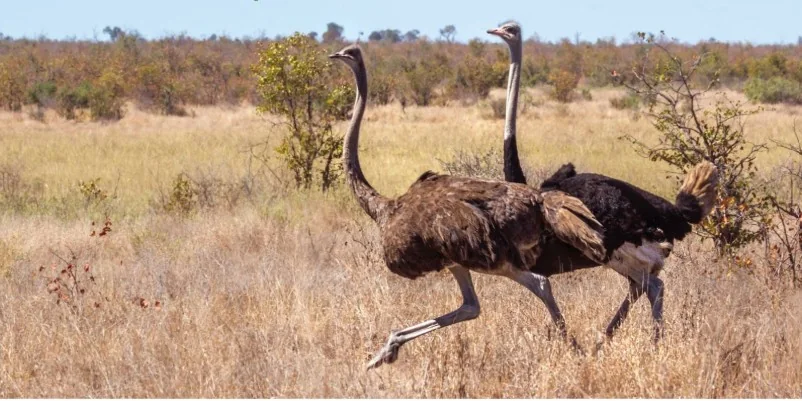
According to Konza Technopolis, the conservancy forms part of the broader Athi-Kapiti ecosystem, a critical wildlife landscape that supports species such as the Grey Crowned Crane, Rüppell’s Griffon Vulture, White-backed Vulture, zebras, gazelles and the Maasai ostrich.
The area serves as an important ecological corridor, helping connect wildlife habitats across the region and supporting seasonal animal movements and ecosystem balance.
Konza Technopolis described the registration as a major milestone for sustainable urban development in Africa, saying the conservancy advances its vision of a smart city where innovation, economic growth and environmental conservation coexist.
“In a landmark achievement for sustainable urban development in Africa, the Kenya Wildlife Service (KWS) has officially granted provisional registration of the Konza Technopolis Wildlife Conservancy, covering 404.69 hectares of protected land,” Konza said in a statement.
Advertisement
Under KWS regulations, registered conservancies must be maintained for a minimum of 15 years and supported by a comprehensive wildlife management plan. Konza Technopolis said it has already developed such a plan to guide conservation efforts, land-use management and biodiversity protection within the designated area.
The conservancy is expected to play a central role in the wider Konza Technopolis master plan, which includes the creation of a 1,000-acre wildlife corridor designed to promote coexistence between urban infrastructure and natural ecosystems. The corridor will help maintain ecological connectivity while supporting the growth of the smart city.


Beyond conservation, the initiative is expected to generate opportunities in eco-tourism, wildlife research, carbon credit markets and climate finance. It is also projected to attract environmental, social and governance (ESG)-aligned investments, while supporting eco-friendly developments and educational partnerships.
Technopolis Development Authority Chief Executive Officer John Paul Okwiri welcomed the registration, saying it reflects the successful integration of technology and environmental conservation in building a resilient and inclusive city.

Comments

0
Loading comments...

Trending

Latest Stories

Popular Stories This Week